Owning an electric vehicle is convenient, but relying on public charging stations every time your battery runs low isn’t. That’s why more homeowners are installing EV charging stations at home. A dedicated home charger allows you to recharge your vehicle overnight, reduce charging costs, and enjoy the convenience of starting every day with a full battery.
While plugging a Level 1 charger into a standard outlet is simple, installing a Level 2 EV charging station requires careful planning and professional electrical work. Your home’s electrical panel, available capacity, charger location, and local electrical codes all play a role in ensuring a safe installation.
In this guide, BeniteX Electric explains everything you need to know about installing an EV home charging station—from choosing the right charger to understanding electrical requirements and deciding whether your home needs an electrical panel upgrade.
Why Install an EV Charging Station at Home?
Charging your EV at home is about more than convenience. It gives you complete control over when and how your vehicle is charged, often at a lower cost than relying on public charging networks.
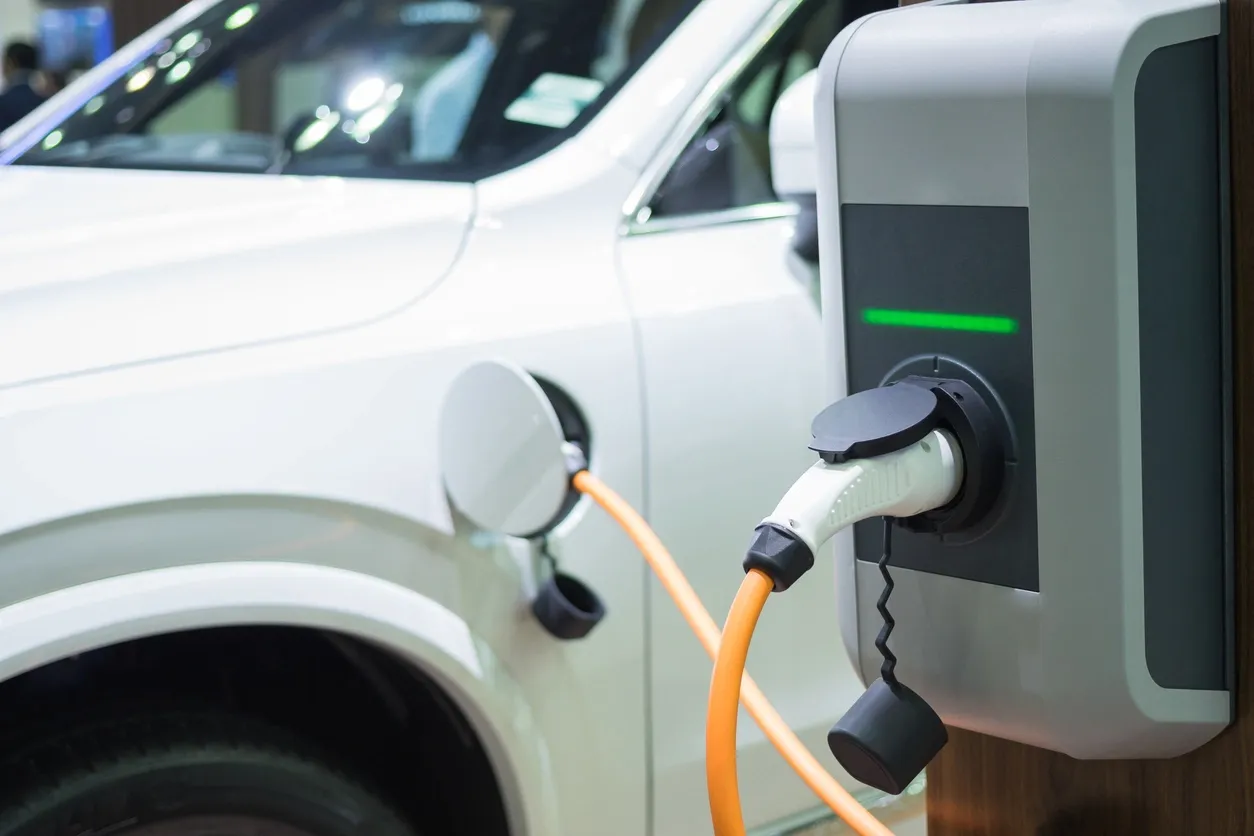
Instead of searching for available charging stations or waiting in line during busy hours, you can simply plug in your vehicle when you get home and wake up to a fully charged battery.
Some of the biggest advantages include:
- Faster charging with a Level 2 charger
- Lower long-term charging costs
- Greater convenience for daily commuting
- Reduced dependence on public chargers
- Potential increase in your home’s resale value
For most homeowners, installing a home charging station quickly becomes one of the most useful upgrades they make after purchasing an electric vehicle.
Understanding the Different Types of EV Chargers
Before starting the installation process, it’s important to choose the right charger for your driving habits and home.
| Feature | Level 1 Charger | Level 2 Charger |
|---|---|---|
| Voltage | 120V | 240V |
| Charging Speed | Slow | Fast |
| Installation | Standard outlet | Dedicated circuit |
| Best For | Occasional drivers | Daily charging |
| Professional Installation | Usually not required | Recommended |
A Level 1 charger works well if you drive short distances and have plenty of time to recharge. However, most EV owners eventually upgrade to a Level 2 charger because it can add significantly more driving range in just a few hours.
If you’re planning to install a Level 2 charger, working with a licensed electrician ensures the charger is installed safely and performs as intended.
Choosing the Right Location for Your EV Charger
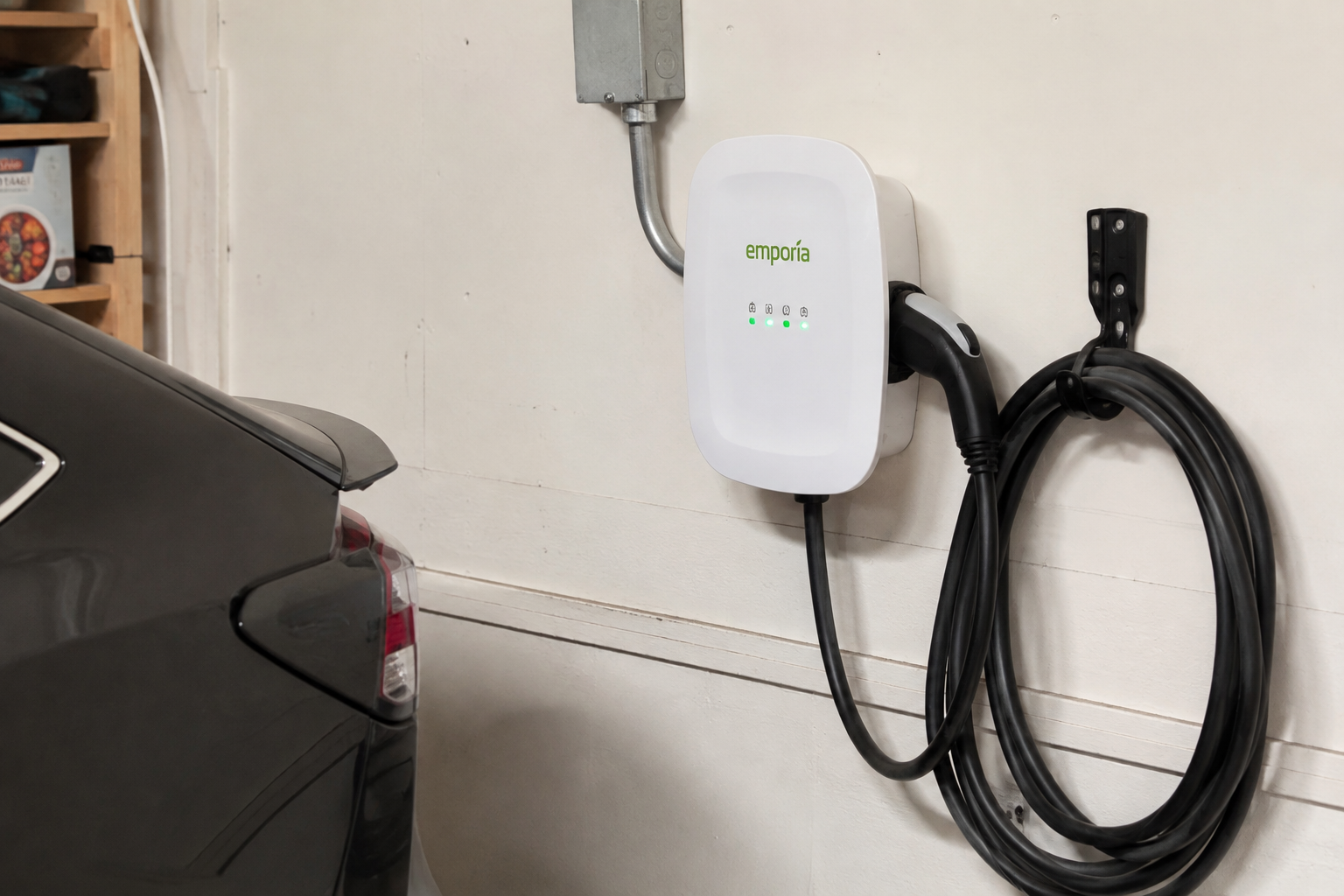
Where you install your charging station has a direct impact on both convenience and installation costs. Most homeowners place the charger in an attached garage because it’s protected from the weather and close to the electrical panel. However, outdoor installations are also common when weatherproof equipment is used.
When deciding on the best location, ask yourself:
- Can the charging cable easily reach your vehicle?
- Will you always park in the same spot?
- Is the electrical panel nearby?
- Will the charger remain protected from accidental damage?
Planning the location before installation can reduce labor costs and make everyday charging much easier.
Is Your Electrical Panel Ready?
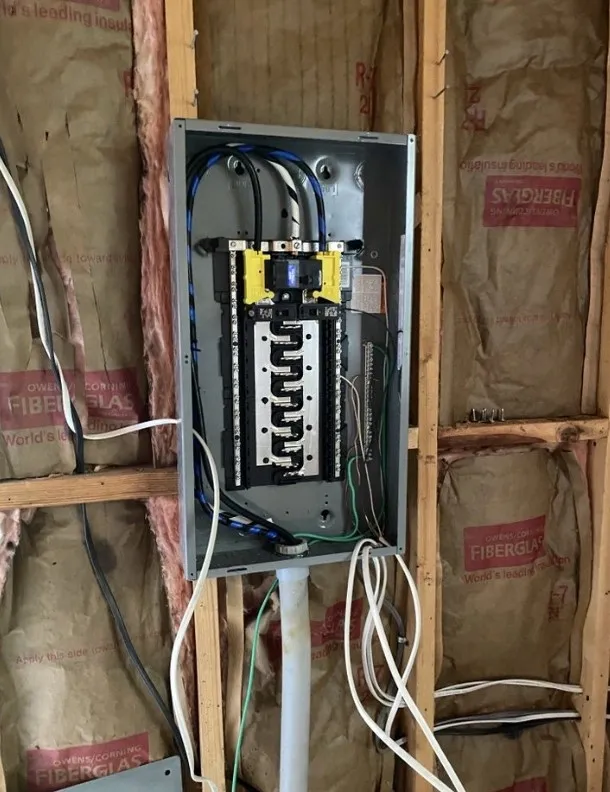
One of the first things a licensed electrician will inspect is your home’s electrical panel. Think of the panel as the heart of your electrical system. Every appliance—from your air conditioner to your kitchen outlets—draws power from it. Adding a Level 2 EV charger increases the electrical demand, so it’s important to confirm that the panel has enough available capacity.
Many newer homes already have sufficient capacity for an EV charger. Older homes, however, may require upgrades before installation can begin.
Your panel may need upgrading if:
- It has no available breaker space.
- It’s a 100-amp panel serving a larger household.
- Breakers trip frequently.
- You’re planning to install other high-powered appliances.
- An electrician determines your home’s electrical load is already near its limit.
Selecting the Right EV Charger
Not every EV charger offers the same features. While charging speed is important, it’s only one factor to consider. Modern chargers are available with smart technology that allows homeowners to monitor charging sessions, schedule overnight charging, and even track electricity usage through a mobile app.
When comparing chargers, consider:
| Feature | Why It Matters |
|---|---|
| Charging speed | Reduces charging time |
| Power output | Determines charging performance |
| Cable length | Easier parking flexibility |
| Smart Wi-Fi features | Remote monitoring and scheduling |
| Weather resistance | Required for outdoor installation |
| Vehicle compatibility | Ensures reliable charging |
Choosing a charger based on your current and future driving needs can help you avoid replacing equipment later.
Installing a Dedicated Circuit
Unlike most household appliances, a Level 2 EV charger requires its own dedicated electrical circuit. This means the charger isn’t sharing power with lights, outlets, or other major appliances. A dedicated circuit improves safety by preventing overloaded breakers and reducing the risk of overheating.
During installation, an electrician will determine the correct:
- Breaker size
- Wire gauge
- Circuit capacity
- Grounding method
- Conduit requirements
These specifications vary depending on the charger’s amperage and your home’s electrical system.
Do You Need a Permit?
Many homeowners are surprised to learn that installing a Level 2 EV charger often requires an electrical permit.
Permits help ensure the installation meets local building codes and electrical safety standards. Once the work is complete, the installation may also need to be inspected by the local authority having jurisdiction (AHJ).
While handling permits yourself is possible, many homeowners prefer working with a licensed electrical contractor who manages the entire process.
At BeniteX Electric, we help homeowners navigate permit requirements and complete installations that meet all applicable local and National Electrical Code (NEC) standards.
Can You Install an EV Charger Yourself?
This is one of the most common questions homeowners ask after purchasing an EV charger. Technically, mounting the charger on the wall isn’t difficult. The challenge lies in safely connecting it to your home’s electrical system.
Installing a Level 2 charger involves working with high-voltage electrical circuits, selecting the correct breaker, running new wiring, and ensuring everything complies with current electrical codes.
For these reasons, most manufacturers—and local building departments—recommend professional installation by a licensed electrician.
Why Homeowners Trust BeniteX Electric
Installing an EV charging station is more than simply connecting a charger to your home’s electrical system. It requires careful planning, accurate load calculations, and a commitment to electrical safety.
At BeniteX Electric, we specialize in residential EV charger installations tailored to your home’s electrical capacity and your driving needs. From evaluating your electrical panel to installing dedicated circuits and completing final safety testing, our experienced electricians ensure every installation is safe, efficient, and built to last.
Whether you’re installing your first EV charger or upgrading your home for future electric vehicles, we’re here to make the process simple and stress-free.
Why Professional EV Charger Installation Matters
An EV charger is one of the most powerful electrical devices installed in many modern homes. Because it operates for extended periods, proper installation is essential for safety, reliability, and performance.
A professional electrician does more than connect wires. They evaluate your home’s electrical capacity, install the correct circuit, verify safety requirements, and ensure the charger operates as intended.
At BeniteX Electric, our goal is to make EV charging installation simple for homeowners. We handle the electrical details so you can enjoy the convenience of charging your vehicle at home with confidence.
From initial electrical assessments to final testing, our team provides reliable residential EV charger installation designed around your home’s needs.
Frequently Asked Questions About EV Charger Installation
Can I install an EV charger if I have an older home?
Yes, many older homes can support EV chargers. However, some may require electrical upgrades depending on the existing panel capacity and household energy usage. An electrician can perform an evaluation to determine what improvements, if any, are needed.
Do all EV chargers require a 240-volt outlet?
No. Level 1 chargers use standard 120-volt outlets, while Level 2 chargers typically require a 240-volt connection for faster charging. Most homeowners choose Level 2 chargers because they provide a more practical daily charging solution.
How much does a Level 2 charger increase my electricity bill?
The increase depends on your driving habits, electricity rates, and vehicle efficiency. While your electricity usage will increase, charging at home is often less expensive than regularly using public charging stations.
Should I install an EV charger before buying an electric vehicle?
Many homeowners choose to install the charger after purchasing their EV, but installing one beforehand can be a smart decision if you’re planning to switch vehicles soon. Having charging capability ready makes the transition to electric driving much easier.