If you’ve recently purchased an electric vehicle (EV) or are planning to buy one, one of the first questions you’ll ask is: How much does it cost to install an EV charger at home? The answer depends on several factors, including the type of charger, your home’s electrical system, installation complexity, permits, and whether your electrical panel needs an upgrade.
On average, homeowners spend between $700 and $2,500 for a professionally installed Level 2 EV charger, while more complex installations can cost $3,000 or more if electrical upgrades are required. Although it’s an upfront investment, a home EV charger offers faster charging, greater convenience, and long-term savings compared to relying on public charging stations.
In this guide, BeniteX Electric breaks down every cost factor, explains what affects installation pricing, and helps you understand what to expect before scheduling your EV charger installation.
Average Cost to Install an EV Charger at Home
The total installation cost depends on your home’s electrical setup and the charger you choose. Here’s a general pricing breakdown.
| Installation Type | Average Cost |
|---|---|
| Level 1 Charger (Existing Outlet) | $0–$300 |
| Level 2 Charger Installation | $700–$2,500 |
| Level 2 + Electrical Panel Upgrade | $2,500–$5,500+ |
| Detached Garage or Long Wire Run | $3,000–$6,000+ |
Pro Tip: Most homeowners choose a Level 2 charger because it charges an EV up to 8–10 times faster than a standard household outlet.
If you’re looking for a safe, code-compliant installation, BeniteX Electric provides professional EV Charging Installation services for homeowners across Orange County, ensuring your charger is installed correctly and ready for daily use.
What Affects the Cost of EV Charger Installation?
No two homes are exactly alike, which is why installation costs can vary. Below are the biggest factors that influence the final price.
1. Type of EV Charger
The charger itself is one of the biggest cost factors.
Level 1 Charger
A Level 1 charger plugs into a standard 120-volt outlet.
Pros
- Lowest installation cost
- No special wiring in most homes
- Good for low daily mileage
Cons
- Very slow charging
- Can take more than 24 hours for a full charge
- Not ideal for most EV owners
Level 2 Charger
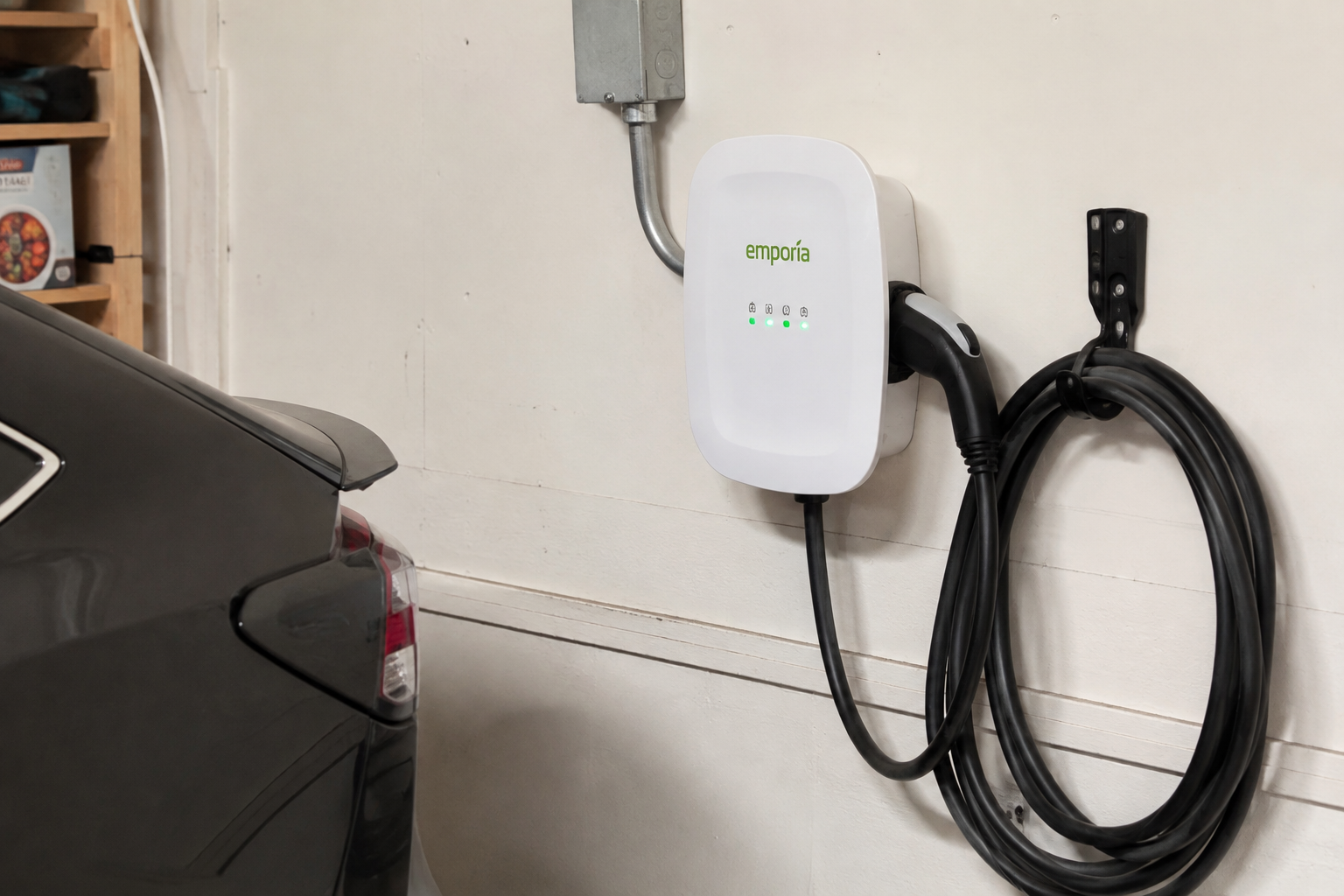
A Level 2 charger uses a dedicated 240-volt circuit and is the preferred option for most homeowners.
Benefits include:
- Much faster charging
- Better energy efficiency
- Convenient overnight charging
- Compatible with most electric vehicles
- Increases home value
Although Level 2 installation costs more initially, it delivers the best long-term value and convenience for daily EV charging.
2. Electrical Panel Capacity
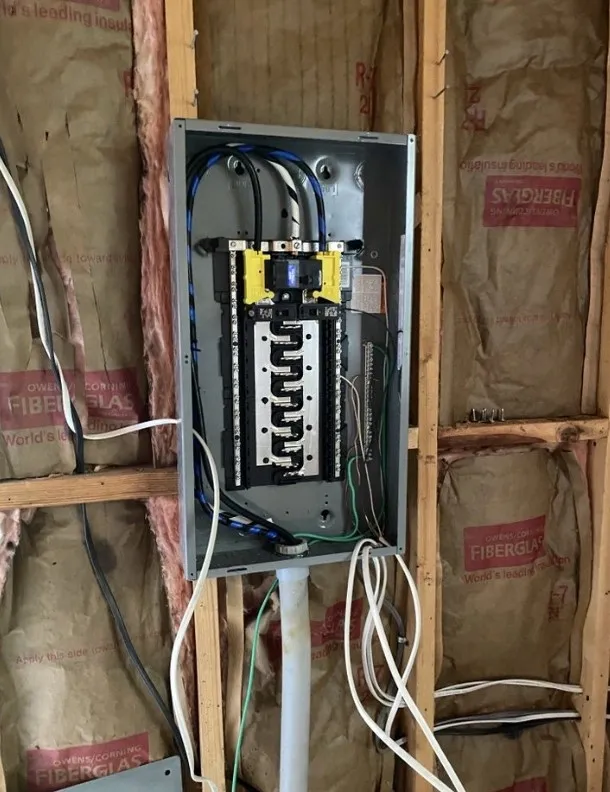
Your electrical panel distributes electricity throughout your home. Before installing a Level 2 charger, an electrician will verify that your panel has enough available capacity. If your panel is already near its limit, adding a high-powered EV charger could overload the system.
If additional capacity is needed, BeniteX Electric can perform a professional Electrical Panel Upgrade, allowing your home to safely power your EV charger along with other appliances.
Common panel sizes include:
- 100-Amp Panel
- 125-Amp Panel
- 150-Amp Panel
- 200-Amp Panel
- 400-Amp Panel (larger homes)
3. Distance Between the Panel and Charger
The farther the charger is from the electrical panel, the higher the installation cost.
Longer wire runs require:
- More electrical cable
- Additional conduit
- More labor
- Wall or ceiling access
- Extra mounting hardware
For example:
- Panel next to garage = lower installation cost
- Panel on the opposite side of the house = higher installation cost
A licensed electrician will recommend the most efficient cable route while meeting local electrical code requirements.
4. Charger Power Output
Not every EV charger delivers the same charging speed.
Common charging capacities include:
| Charger Output | Typical Charging Speed |
|---|---|
| 16 Amp | Slow |
| 32 Amp | Moderate |
| 40 Amp | Fast |
| 48 Amp | Very Fast |
| 60 Amp | Premium Residential |
Choosing the right charger depends on your vehicle, daily driving habits, and your home’s electrical system.
5. Permits and Electrical Inspections
Permit costs vary depending on your city, but they’re an important part of ensuring the installation is safe and compliant. Professional electricians handle the permitting process, helping homeowners avoid delays, failed inspections, or costly corrections later.
In many California cities, installing a Level 2 EV charger requires:
- Electrical permits
- Local inspections
- Code compliance
- Final approval
6. Labor Costs
Labor is another major part of the installation cost. While it may be tempting to hire the cheapest installer, EV chargers draw significant electrical loads. Choosing a licensed electrician helps ensure the installation is safe, reliable, and compliant with the latest National Electrical Code (NEC) standards.
Several factors influence labor pricing:
- Accessibility of the electrical panel
- Existing wiring
- Garage layout
- Concrete or drywall work
- Trenching (if required)
- Outdoor installations
- Permit requirements
Is Installing an EV Charger Worth the Cost?
For most EV owners, the answer is yes. Although public charging stations are convenient during travel, relying on them every day can become expensive and time-consuming. Instead of planning your day around charging stations, you’ll wake up each morning with a fully charged vehicle ready to go.
Installing a home EV charger offers several long-term advantages:
- Charge your vehicle overnight
- Save time by avoiding public charging stations
- Lower long-term charging costs
- Increase your home’s appeal to future buyers
- Enjoy faster charging whenever you need it
- Better control over your charging schedule
Why Homeowners Choose BeniteX Electric
Installing an EV charger is more than mounting a charging unit on the wall—it’s about ensuring your home’s electrical system is ready to handle the additional load safely.
At BeniteX Electric, we provide complete EV charging installation services, including electrical assessments, dedicated circuit installation, permit assistance, and code-compliant wiring. Whether you’re installing your first Level 2 charger or upgrading your electrical panel to support future energy needs, our experienced electricians deliver reliable workmanship and transparent pricing throughout Orange County.
How Much Does It Cost to Charge an EV at Home?
Installing an EV charger is only part of the investment. Fortunately, charging an electric vehicle at home is significantly more affordable than fueling a gasoline-powered car. While electricity rates vary by location and utility provider, most homeowners spend far less per mile when charging at home compared to buying gasoline.
Your charging cost depends on several factors, including:
- Your local electricity rate
- Your EV’s battery size
- How often you drive
- Charging during peak or off-peak hours
- Your charger’s efficiency
Many utility companies also offer Time-of-Use (TOU) plans that allow you to charge overnight at lower electricity rates, helping reduce your monthly charging costs even further.
Common Mistakes to Avoid When Installing an EV Charger
Installing an EV charger may seem straightforward, but overlooking key details can lead to higher costs, failed inspections, or safety issues. Working with a qualified electrician helps ensure your installation is safe, efficient, and built to support your future charging needs.
Avoid these common mistakes:
❌ Choosing the cheapest charger without checking compatibility
❌ Hiring an unlicensed electrician
❌ Ignoring your electrical panel’s capacity
❌ Installing the charger too far from the parking area
❌ Skipping permits and inspections
❌ Using extension cords for EV charging
❌ Not planning for future EV ownership
Why Homeowners Trust BeniteX Electric
Choosing the right electrical contractor is just as important as choosing the right EV charger.
At BeniteX Electric, we specialize in residential EV charger installations designed around your home’s electrical system—not a one-size-fits-all solution. Whether you’re installing your first home charger or upgrading your electrical system for a new EV, our team is committed to delivering a safe, dependable, and hassle-free experience.
Why choose us?
- Licensed and experienced electricians
- Code-compliant installations
- Professional electrical panel upgrades
- Permit and inspection assistance
- Transparent pricing with no hidden fees
- High-quality workmanship
- Reliable customer support
- Clean and efficient installations
Our EV Charger Installation Services
BeniteX Electric provides complete EV charging solutions for homeowners across Orange County.
Our services include:
- Level 2 EV charger installation
- Tesla Wall Connector installation
- Universal EV charger installation
- Dedicated 240V circuit installation
- Electrical panel upgrades
- Load calculations
- Permit coordination
- Final safety testing and inspection
Every installation is completed according to the latest National Electrical Code (NEC) and local building requirements.
Frequently Asked Questions
How much does it cost to install a Level 2 EV charger at home?
Most homeowners pay between $700 and $2,500, depending on the charger type, wiring distance, permit requirements, and whether an electrical panel upgrade is needed.
Is a Level 2 charger worth the investment?
Yes. A Level 2 charger delivers much faster charging than a standard outlet, making it the preferred choice for homeowners who drive their EV regularly.
Do I need a permit to install an EV charger?
In many California cities, yes. Electrical permits and inspections help ensure the installation meets local building codes and safety standards.
Can my existing electrical panel support an EV charger?
It depends on your home’s available electrical capacity. A licensed electrician can inspect your panel and determine whether upgrades are necessary.
How long does EV charger installation take?
Most standard installations are completed in 2 to 6 hours. Projects involving electrical panel upgrades or detached garages may take one or two days.
Can I install an EV charger outside?
Yes. Many EV chargers are designed for outdoor use and include weather-resistant enclosures. Proper placement and professional installation help ensure safe, long-lasting performance.
Will installing an EV charger increase my home’s value?
A professionally installed EV charger can make your home more attractive to future buyers, especially as electric vehicle ownership continues to grow.
How do I choose the right EV charger?
Consider:
- Your vehicle’s charging capability
- Daily driving distance
- Available electrical capacity
- Desired charging speed
- Smart features such as Wi-Fi connectivity and scheduling
If you’re unsure, BeniteX Electric can help you choose the best charger for your home and budget.