Owning an electric vehicle (EV) offers several benefits, including lower fuel expenses, convenient driving, and reduced tailpipe emissions. However, one important decision every EV owner faces is where to charge their vehicle. Should you install a charging station at home or depend on public EV charging stations?
The answer depends on your driving habits, electricity rates, budget, location, and charging requirements.
Home EV charging vs public charging is not simply a question of convenience. Both options offer different advantages when it comes to charging speed, long-term costs, accessibility, and flexibility. Home charging allows you to recharge your vehicle overnight, while public charging provides access to power when you are away from home or traveling longer distances.
In this guide, we compare both options to help you choose the right EV charging solution. We will also explain installation requirements, EV charger maintenance, and when to consider upgrading your existing charging setup.
Home EV Charging vs. Public Charging: What’s the Difference?
Home EV charging means using a charging station installed at your residence, usually in a garage, driveway, or another suitable parking location. Depending on your electrical system, you can use a standard household outlet or install a dedicated Level 2 charging station.
Public EV charging involves using charging stations available at shopping centers, parking garages, workplaces, highway rest stops, and other public locations.
The biggest difference is control. Home charging gives you more control over your charging schedule, while public charging provides flexibility when you need to recharge outside your home.
Quick Comparison: Home Charging vs. Public Charging
| Feature | Home EV Charging | Public EV Charging |
| Convenience | Charge whenever you park at home | Travel to a charging location |
| Charging cost | Based on residential electricity rates | Depends on charging network and location |
| Charging speed | Usually Level 1 or Level 2 | Level 2 or DC fast charging |
| Installation | Requires suitable electrical setup | No personal installation required |
| Availability | Available at your property | Depends on station availability |
| Maintenance | Homeowner must maintain private equipment | Network operator generally maintains equipment |
| Best for | Daily commuting and overnight charging | Road trips and charging away from home |
For most homeowners with a dedicated parking space, home charging is a convenient everyday solution. Public charging remains valuable for longer trips and situations when home charging is unavailable.
1. Cost Comparison: Is Home EV Charging Cheaper?
Charging expenses are an important consideration when choosing between home and public charging.
Home charging generally offers better opportunities to manage electricity costs. Many utility providers offer time-of-use electricity rates, allowing homeowners to schedule charging during lower-cost overnight hours.
Public charging prices vary depending on the charging network, location, charging speed, and payment structure.
Home Charging Costs
When you charge your vehicle at home, your electricity bill reflects the energy used by your EV.
Your total cost depends on:
- Your local residential electricity rate.
- Your vehicle’s battery capacity.
- How many miles you drive daily.
- Charging equipment efficiency.
- Whether your utility offers off-peak electricity rates.
For example, homeowners who charge overnight may benefit from lower electricity rates if their utility provides an off-peak pricing plan.
Installing a smart EV charging station can also help you schedule charging sessions and monitor electricity consumption.
Public Charging Costs
Public charging stations may charge by kilowatt-hour (kWh), charging time, or a session fee, depending on the provider and location.
DC fast charging generally costs more than residential electricity, although actual prices vary.
You may also encounter additional fees, including:
- Session or connection fees.
- Idle fees for leaving your vehicle connected after charging.
- Membership fees for certain charging networks.
- Higher rates at premium charging locations.
Which is more affordable?
For regular daily charging, home EV charging is often more economical over time. Public charging is useful when you need faster charging or do not have access to a private charging station.
2. Charging Speed: Which Option Charges Faster?
Charging speed depends on the charging equipment, electrical supply, and your vehicle’s maximum charging capacity.
Home charging generally uses Level 1 or Level 2 equipment, while public charging locations may offer Level 2 and Level 3 DC fast charging.
Understanding EV Charging Levels
| Charging Level | Power Source | Typical Charging Speed | Common Use |
| Level 1 | 120V household outlet | Around 3–5 miles of range per hour | Basic home charging |
| Level 2 | 208–240V supply | Around 20–40 miles per hour | Home and public charging |
| Level 3 (DC Fast) | High-power DC equipment | Varies significantly by vehicle and charger | Public fast charging |
Actual charging speeds depend on vehicle specifications, charger output, battery condition, temperature, and other factors.
Level 1 Home Charging
Level 1 charging uses a compatible standard household outlet. It is relatively simple because it does not normally require a separate charging station installation.
However, charging is slow. It may work for plug-in hybrid vehicles or drivers with short daily commutes.
Level 2 Home Charging
Level 2 charging uses a dedicated 240V electrical circuit and a compatible EV charging station.
It offers significantly faster charging than a standard household outlet and is a popular choice for homeowners who drive regularly.
A professionally installed Level 2 charger can make overnight charging practical for many EV owners.
Level 3 Public Charging
Level 3 charging, commonly called DC fast charging, is primarily available at commercial charging locations.
It can recharge compatible EV batteries much faster than typical residential charging equipment. However, charging speed depends on the vehicle’s DC charging capability and battery conditions.
Our recommendation: Consider a Level 2 home charging station for daily use and public DC fast charging for road trips or situations requiring a quicker recharge.
3. Convenience and Accessibility
Convenience is one of the biggest reasons EV owners choose home charging.
Imagine returning home after work, connecting your vehicle to the charger, and waking up the next morning with enough battery for your daily commute.
You do not need to drive to another location, wait for a charging station, or change your schedule.
Benefits of Home EV Charging
- Charge your vehicle whenever it is parked at home.
- Schedule charging during off-peak electricity hours.
- Avoid waiting for available public charging stations.
- Monitor charging sessions through compatible mobile applications.
- Enjoy convenient overnight charging.
- Reduce dependence on public charging networks.
Benefits of Public EV Charging
Public charging is particularly useful when:
- You are traveling long distances.
- You live in an apartment without private charging access.
- You need additional battery power during the day.
- You are away from home for extended periods.
- Your home charger is temporarily unavailable.
Public charging networks provide flexibility, but station availability, operating condition, and charging speeds can vary.
For drivers who have suitable home parking and electrical capacity, a combination of home and public charging often provides the most flexibility.
4. What Does It Take to Install an EV Charger at Home?
Before choosing home charging, you should understand the electrical requirements.
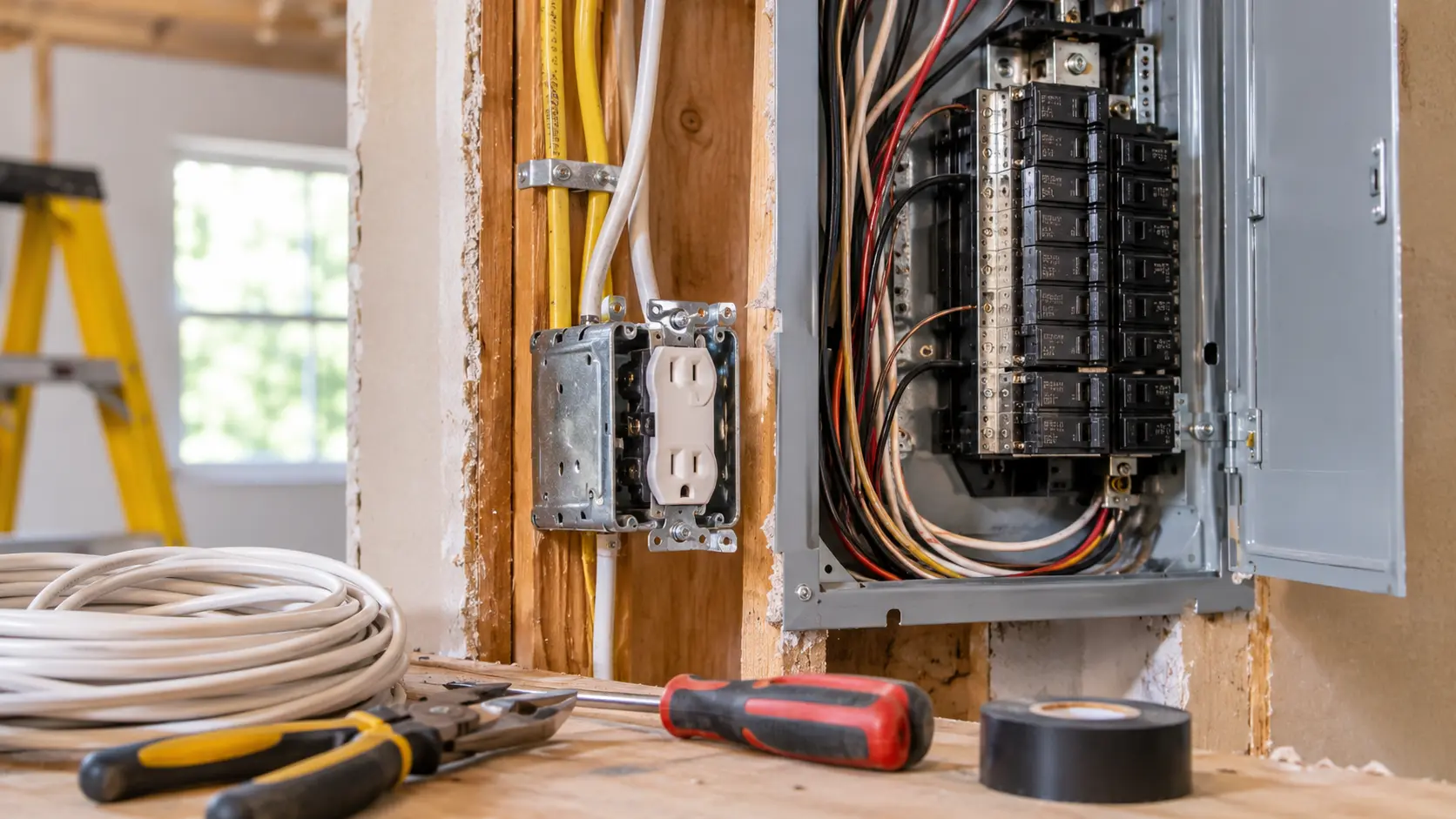
A home EV charging station is not simply an appliance that can be connected anywhere. Level 2 charging requires a suitable electrical circuit, proper wiring, and appropriate circuit protection.
A professional electrician should evaluate your electrical system before installation.
Important installation considerations include:
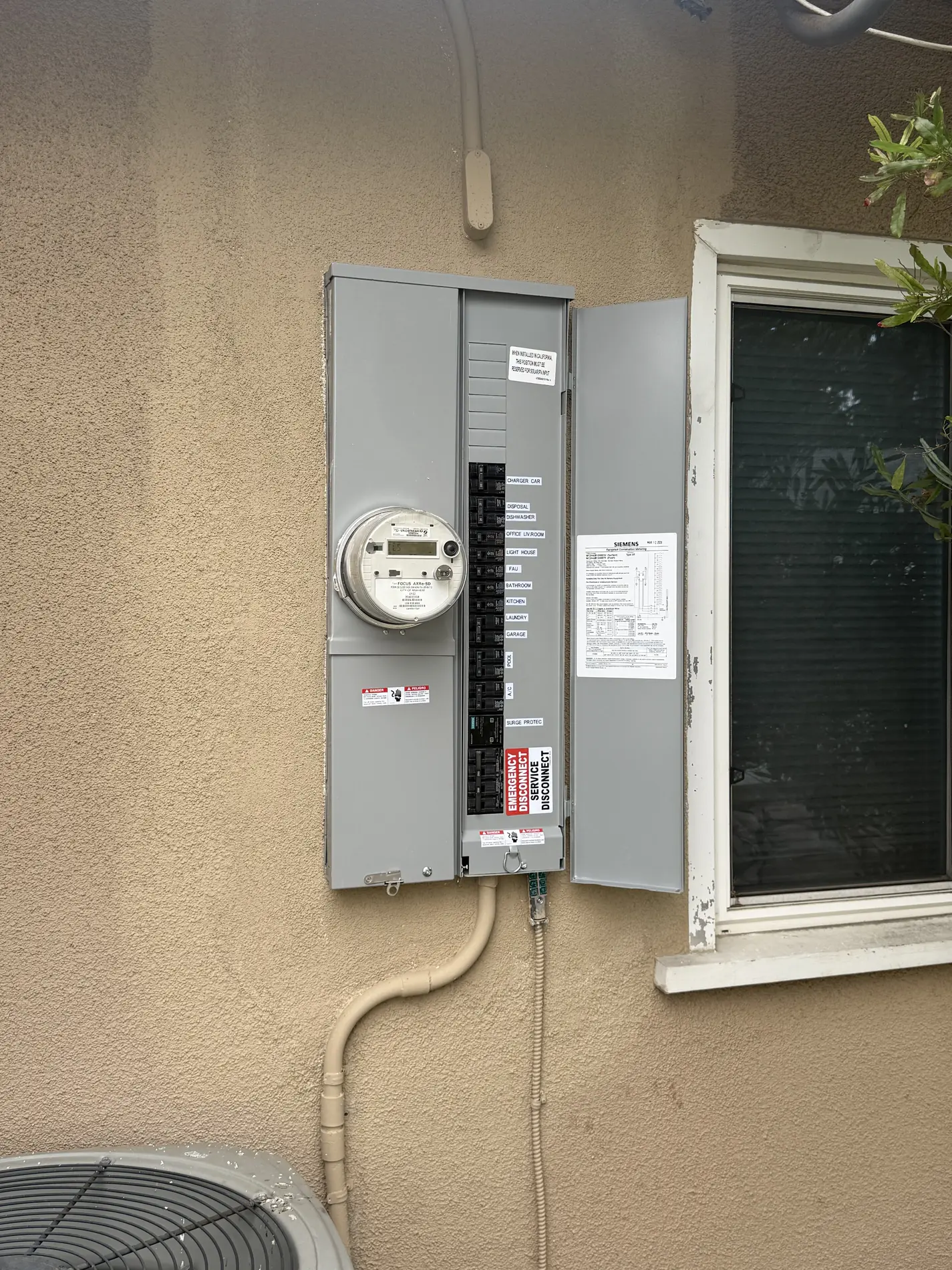
Electrical panel capacity: Your existing panel must have enough available capacity to support the additional electrical load.
Dedicated circuit: Level 2 charging generally requires a dedicated circuit designed for the charger’s electrical specifications.
Charger location: The charging station should be positioned where the cable can comfortably reach your vehicle.
Wiring and conduit: Proper wire sizing, routing, and protection are essential for safe operation.
Permits and inspections: Applicable local permitting and inspection requirements must be followed.
Do You Need an Electrical Panel Upgrade?
Not every home needs an electrical panel upgrade before installing an EV charger.
However, an upgrade may be necessary if your existing electrical system does not have enough capacity for the additional charging load.
Older homes with 100-amp electrical panels may require additional evaluation, especially when several high-powered appliances are already operating.
A licensed electrician can perform an electrical load calculation and determine whether your existing panel can safely support the charger.
For more information, read our guide to electrical panel upgrades and EV charger installation pricing.
5. How to Remodel an EV Charger Installation
Your charging requirements may change over time. Perhaps you purchase another electric vehicle, renovate your garage, move your charger to a different parking space, or decide to upgrade from Level 1 to Level 2 charging.
In these situations, remodeling an existing EV charger installation can help accommodate your new requirements.
Common EV charging installation remodeling projects include:
- Charger relocation: Moving the charging station to another wall or parking area.
- Level 1 to Level 2 upgrade: Replacing a standard outlet-based setup with a dedicated 240V charging station.
- Wiring upgrades: Installing appropriately sized conductors for the new charging equipment.
- Garage remodeling: Integrating charger wiring and mounting into a garage renovation.
- Additional charging stations: Adding another charger for a second electric vehicle.
- Electrical panel upgrades: Increasing available electrical capacity when required.
Before making changes, have an electrician inspect the existing installation, wiring, circuit protection, and electrical panel.
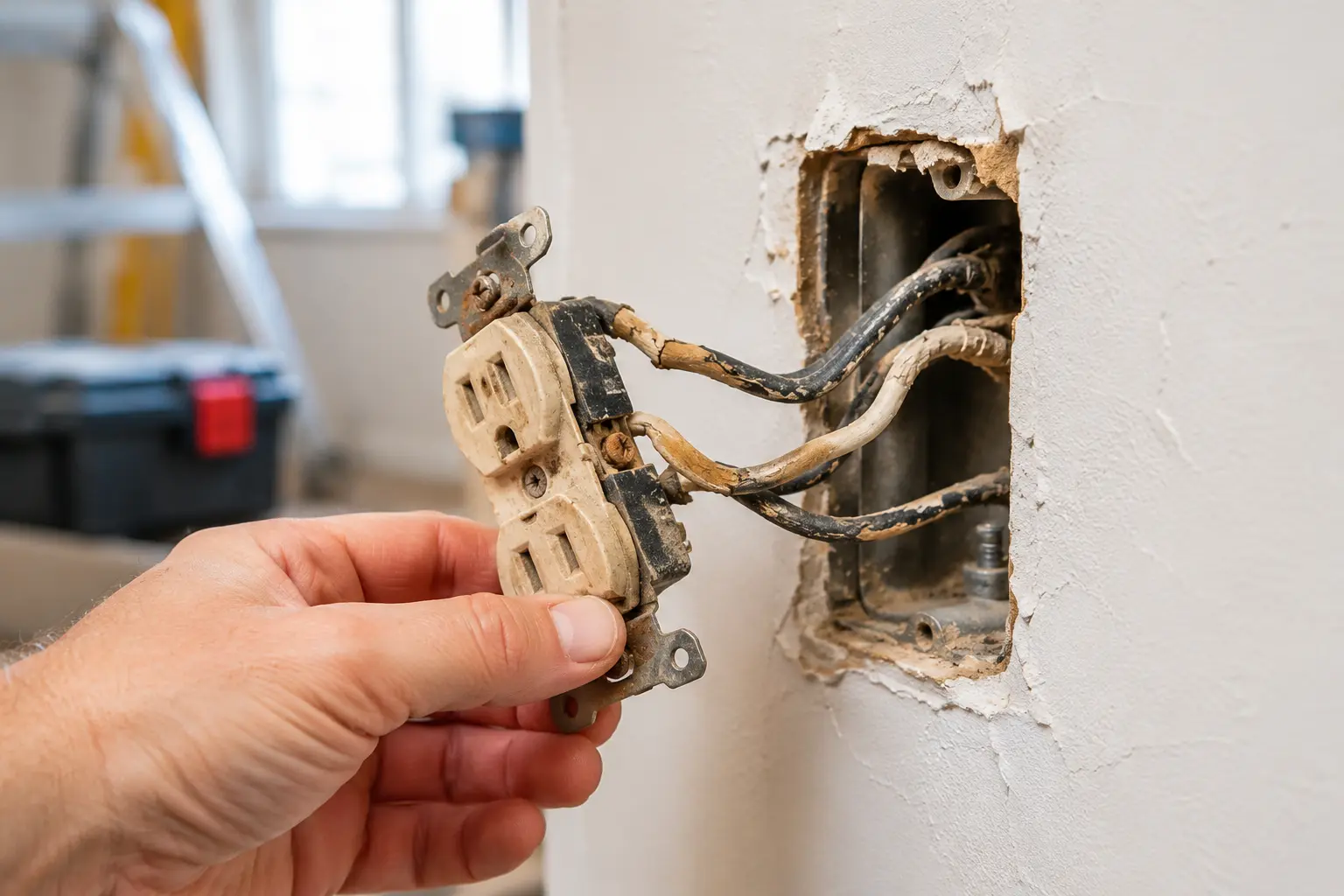
Avoid reusing existing wiring without confirming that it meets the new charger’s specifications.
For a more detailed explanation, read our article: How to Remodel an EV Charger Installation: Upgrades, Relocation, and Garage Integration.
6. EV Charger Maintenance: How to Keep Your Charging Station Working Properly
Whether you charge your vehicle at home or use public charging stations, equipment maintenance is important for reliable operation.
Home charging equipment is generally exposed to regular use, environmental conditions, and occasional physical wear.
Regular EV charger maintenance helps identify potential problems before they affect charging performance.
Basic EV Charger Maintenance Tips
- Inspect charging cables: Check for cuts, cracks, exposed wires, or damaged connectors.
- Keep the charging area clean: Remove dust, dirt, and debris around the charging equipment.
- Check the connectors: Look for visible damage, corrosion, or unusual discoloration.
- Monitor charging performance: Pay attention to unexpected charging interruptions or slower charging speeds.
- Inspect outdoor equipment: Check weather seals and the enclosure for signs of damage or water intrusion.
- Follow manufacturer instructions: Use the recommended cleaning and inspection procedures.
- Schedule professional inspections: Have electrical connections and equipment checked when recommended or when problems appear.
Warning Signs Your EV Charger Needs Professional Attention
Contact an electrician if you notice:
- Repeated breaker tripping.
- Unusual burning smells.
- Excessive heat around electrical connections.
- Damaged charging cables or connectors.
- Frequent charging interruptions.
- Error messages that continue after basic troubleshooting.
Never open electrical equipment or attempt to repair internal wiring yourself.
BeniteX Electric provides EV charging maintenance and repair services to help homeowners maintain reliable charging equipment.
7. Home EV Charging vs. Public Charging: Which Is Better for Different Drivers?
The best charging solution depends on your living arrangements and driving habits.
| Type of Driver | Recommended Charging Option | Reason |
| Daily commuters | Home Level 2 charging | Convenient overnight charging |
| Apartment residents | Public charging | May not have private parking |
| Long-distance travelers | Public DC fast charging | Faster charging during trips |
| Multi-EV households | Home Level 2 charging | Convenient charging for multiple vehicles |
| Occasional EV drivers | Level 1 or Level 2 home charging | Depends on daily mileage |
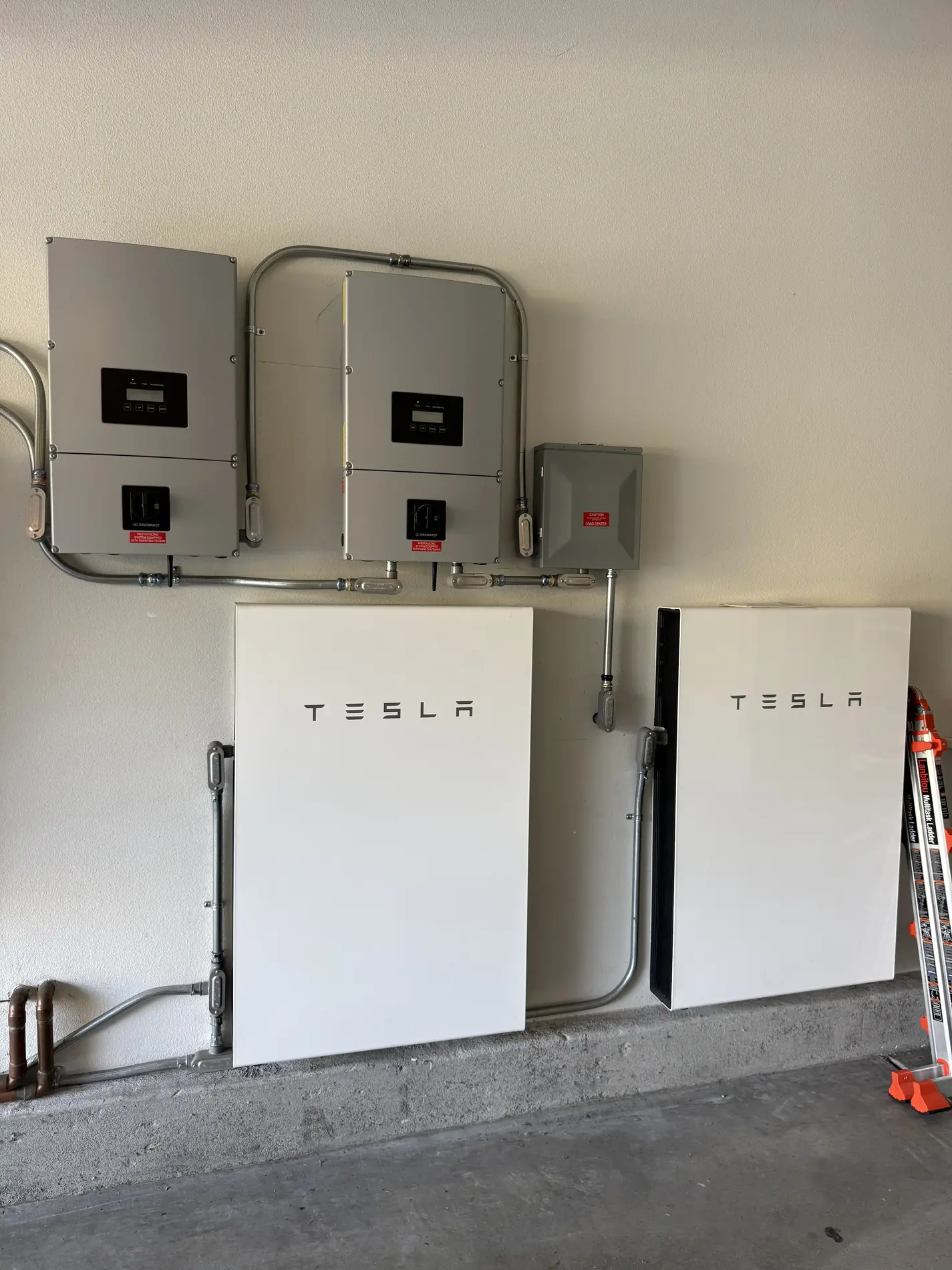
| Homeowners with solar | Smart home charging | Can coordinate charging with available solar energy |
For many EV owners, the most practical solution is to install a home charging station and use public charging when necessary.
This approach offers everyday convenience without limiting your ability to travel longer distances.
8. Where to Find Professional EV Charger Installation Near Me?
If you are considering home charging, choosing the right electrical contractor is just as important as selecting the charging equipment.
Searching for EV charger installation near me can help you find local electricians, but compare their qualifications and services before making a decision.
Look for an electrical contractor who can provide:
- Proper electrical load calculations.
- Dedicated circuit installation.
- Hardwired and compatible plug-in charging options.
- Electrical panel assessments and upgrades.
- Permit and inspection coordination.
- Charger testing and installation support.
- Ongoing maintenance and troubleshooting.
Homeowners in Orange County, California, can contact BeniteX Electric for residential EV charger installation and related electrical services.
BeniteX Electric provides EV charging solutions, electrical panel upgrades, and charging maintenance. Its team includes C-10 electrical professionals and a Tesla Certified Installer.
Explore our EV charging installation services to learn more.
Frequently Asked Questions
1. Is home EV charging cheaper than public charging?
Home charging is generally more economical for regular use because residential electricity rates can be lower than public charging rates. Your actual savings depend on your utility provider, charging schedule, and electricity consumption.
2. Is Level 2 home charging worth installing?
Yes, Level 2 charging is worth considering if you drive regularly and want faster overnight charging. It provides considerably more charging power than a standard household outlet.
3. Can I charge my electric car at home without installing a charging station?
Yes. Many electric vehicles support Level 1 charging through a compatible household outlet. However, charging is slower than using a dedicated Level 2 charging station.
4. Do I need to upgrade my electrical panel for a home EV charger?
Not always. An electrician should inspect your electrical panel and calculate its available capacity. An upgrade may be required if your existing system cannot safely support the additional electrical load.
5. How often should an EV charger be maintained?
Maintenance frequency depends on the equipment manufacturer’s recommendations, usage, and installation environment. Regular visual inspections are helpful, while professional servicing should be scheduled as recommended or whenever warning signs appear.
6. Can I use public charging stations if I have a home EV charger?
Absolutely. Many EV owners use home charging for everyday driving and public charging stations during road trips or when they need additional range.
7. Can an existing EV charger be relocated?
Yes. An existing charging station can often be relocated, but the electrical circuit, wiring route, mounting requirements, and local codes must be evaluated before the work begins.
8. How do I find a reliable EV charger installation near me?
Look for a qualified electrical contractor with experience in EV charging systems, electrical panel assessments, dedicated circuit installation, permits, and inspections. Always confirm that the contractor can meet local electrical requirements.
Final Thoughts: Should You Choose Home or Public EV Charging?
When comparing home EV charging vs public charging, both options have important benefits.
Home charging is generally the better choice for daily driving because it offers convenience, flexible charging schedules, and opportunities to manage electricity costs. Public charging is valuable for road trips, apartment residents, and drivers who need additional charging away from home.
For homeowners with suitable electrical systems and dedicated parking, installing a Level 2 charging station can be a practical long-term investment.
If you are planning a new EV charger installation, upgrading an existing setup, or need professional EV charger maintenance, BeniteX Electric can help you evaluate your electrical requirements and find a suitable charging solution.
Ready to install a home EV charging station?
Contact BeniteX Electric to discuss your residential EV charging needs.
Phone: (949) 259-5956
Website: https://benitexelectric.com/
Service Area: Orange County, California