Your home’s electrical wiring is one of the most important parts of its infrastructure. It delivers electricity to lights, outlets, appliances, heating and cooling systems, and other essential equipment. Although most homeowners rarely think about the wiring behind their walls, a properly installed and maintained electrical system is necessary for everyday comfort, convenience, and safety.
Whether you are building a new house, renovating an older property, adding new appliances, or dealing with recurring electrical problems, understanding how residential wiring works can help you make better decisions.
Professional Home Electrical Wiring Services play an important role in keeping your electrical system functional and suitable for your household’s needs. From installing new circuits to replacing damaged wiring, experienced electricians can identify problems and recommend appropriate solutions.
In this complete guide, we will explain the basics of home electrical wiring, common wiring types, warning signs of electrical problems, installation considerations, and when homeowners should hire a professional electrician.
What Is Home Electrical Wiring?
Home electrical wiring is the network of electrical cables, conductors, outlets, switches, circuit breakers, and other components that distribute electricity throughout a residential property.
The system connects your home’s main electrical supply to individual circuits, allowing different rooms and appliances to receive the power they need.
A typical residential electrical system includes several important components:
- Electrical service entrance: Connects your property to the utility’s electrical supply.
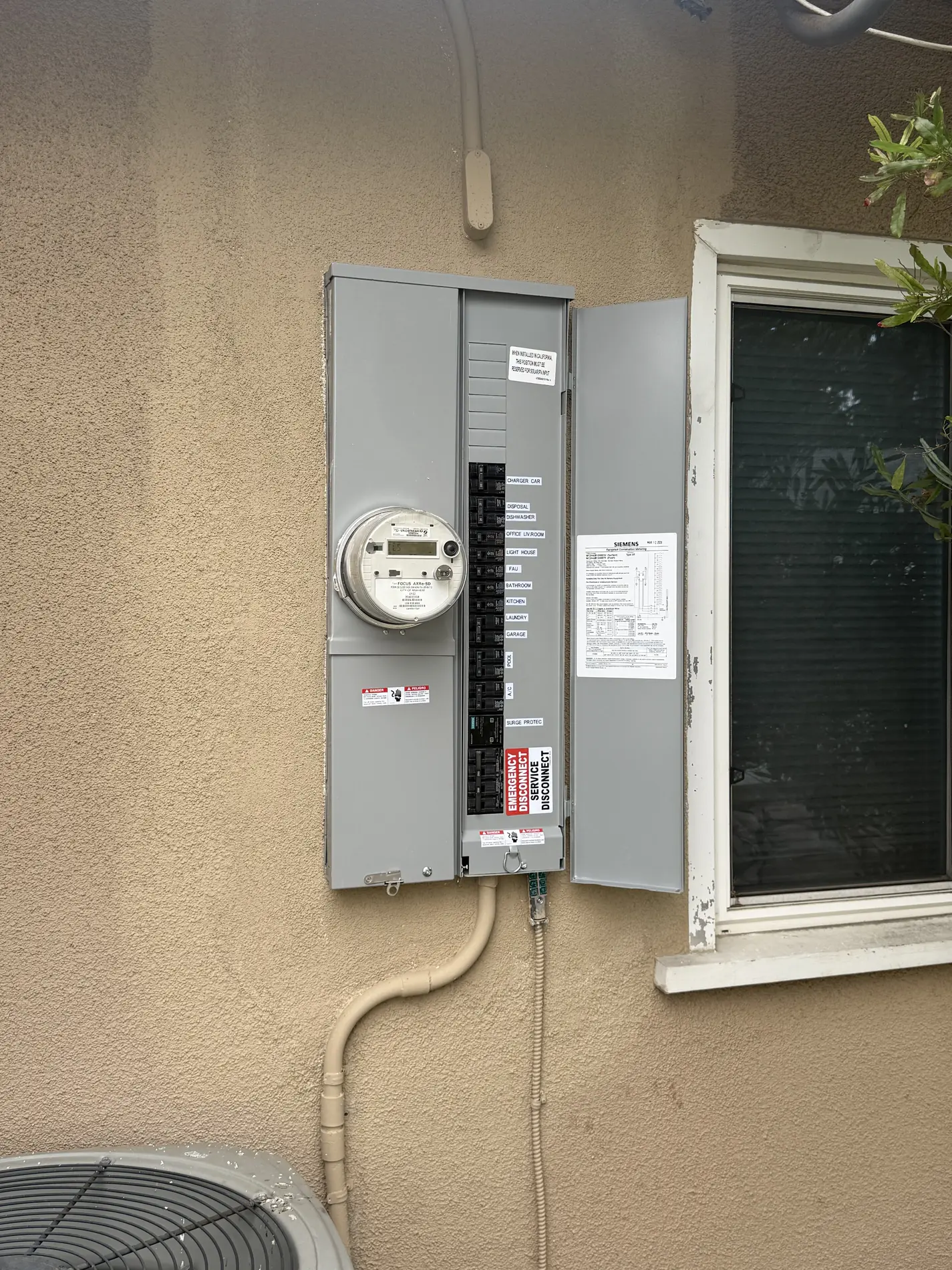
- Electrical panel: Distributes electricity to individual circuits and houses protective devices.
- Electrical wires: Carry electrical current throughout the property.
- Outlets and receptacles: Provide connection points for electrical devices.
- Switches: Control lights and other compatible electrical equipment.
- Circuit breakers: Interrupt electrical flow when an overload or fault occurs.
- Grounding system: Provides a safe path for fault current under certain conditions.
All these components must work together correctly. Poor connections, damaged insulation, overloaded circuits, or improper installation can create electrical hazards.
Common Types of Electrical Wiring Used in Homes
Different types of electrical wiring are used in residential properties depending on the building’s age, electrical requirements, and installation methods.
Understanding these wiring types can help homeowners recognize why certain older systems may need inspection or replacement.
1. Non-Metallic Sheathed Cable (NM Cable)
Non-metallic sheathed cable, commonly called NM or Romex cable, is widely used in residential electrical installations.
It contains insulated conductors protected by an outer non-metallic covering. Electricians commonly use it inside walls, ceilings, and other approved dry locations.
Common applications include:
- General lighting circuits
- Bedroom and living room outlets
- Kitchen electrical circuits
- Residential branch wiring
2. Armored Cable (AC)
Armored cable features insulated electrical conductors protected by a flexible metal covering.
This construction provides additional physical protection and makes it useful in certain installations where exposed wiring may be more vulnerable to damage.
Its use depends on local electrical code requirements and the installation environment.
3. Metal-Clad Cable (MC)
Metal-clad cable contains insulated conductors inside a metal protective covering. It is used in residential and commercial applications where an approved wiring method requires additional mechanical protection.
MC cable is commonly found in garages, utility spaces, and certain commercial installations.
4. Older Knob-and-Tube Wiring
Knob-and-tube wiring was commonly installed in older homes built before modern electrical wiring methods became standard.
It uses individual conductors supported by porcelain knobs and passed through walls or framing using protective tubes.
Although properly maintained original installations may still function, this wiring system can present concerns when insulation deteriorates, connections become damaged, or later modifications are improperly made.
An electrician should inspect older knob-and-tube wiring to determine whether repairs or replacement are appropriate.
5. Aluminum Branch-Circuit Wiring
Some homes built during the 1960s and 1970s used aluminum conductors for branch circuits.
Aluminum wiring requires compatible connections and devices. Improper connections, oxidation, and unsuitable terminations can create overheating risks.
If your home has aluminum branch-circuit wiring, have a qualified electrician evaluate its condition and recommend an appropriate solution.
How Does a Residential Electrical Wiring System Work?
A residential electrical system follows a connected path from the utility supply to the individual electrical devices throughout your home.
Understanding this basic process makes it easier to recognize the importance of proper installation.
Here is how the main components work together:
- Utility connection: Electricity enters the property through the electrical service equipment.
- Main electrical panel: Power reaches the main panel, where the electrical supply is distributed into individual circuits.
- Circuit wiring: Conductors carry electricity through approved wiring routes inside walls, ceilings, and other building areas.
- Switches and outlets: Electrical devices receive power through properly installed connections.
- Electrical appliances: Lighting, refrigerators, HVAC systems, and other equipment use electricity from their designated circuits.
- Protective devices: Circuit breakers and other safety devices help interrupt electricity under certain fault conditions.
Each circuit must have appropriate wiring, overcurrent protection, and connections for its intended load.
For example, an electric oven or HVAC system may require a dedicated circuit rather than sharing a general-purpose lighting circuit.
Signs Your Home May Need Electrical Wiring Repair or Replacement
Electrical wiring can deteriorate over time, particularly in older homes or properties that have experienced renovations, water damage, or previous electrical modifications.
Recognizing warning signs early can help prevent more serious problems.
Here are some common indicators that your home may need professional electrical attention.
1. Frequently Tripping Circuit Breakers
A circuit breaker that trips occasionally may be responding to an overload or electrical fault.
However, frequent tripping can indicate that a circuit is carrying too much electrical demand, has damaged wiring, or has another underlying problem.
An electrician can identify the cause and determine whether repairs, additional circuits, or an electrical panel upgrade are necessary.
2. Flickering or Dimming Lights
If your lights flicker or dim regularly, there may be loose connections, overloaded circuits, or problems with the electrical supply.
Pay attention if the issue happens when large appliances start operating.
A professional inspection can help identify whether the problem is isolated to one circuit or affects a larger part of the electrical system.
3. Warm or Discolored Outlets
Outlets and switches should not become unusually hot during normal operation.
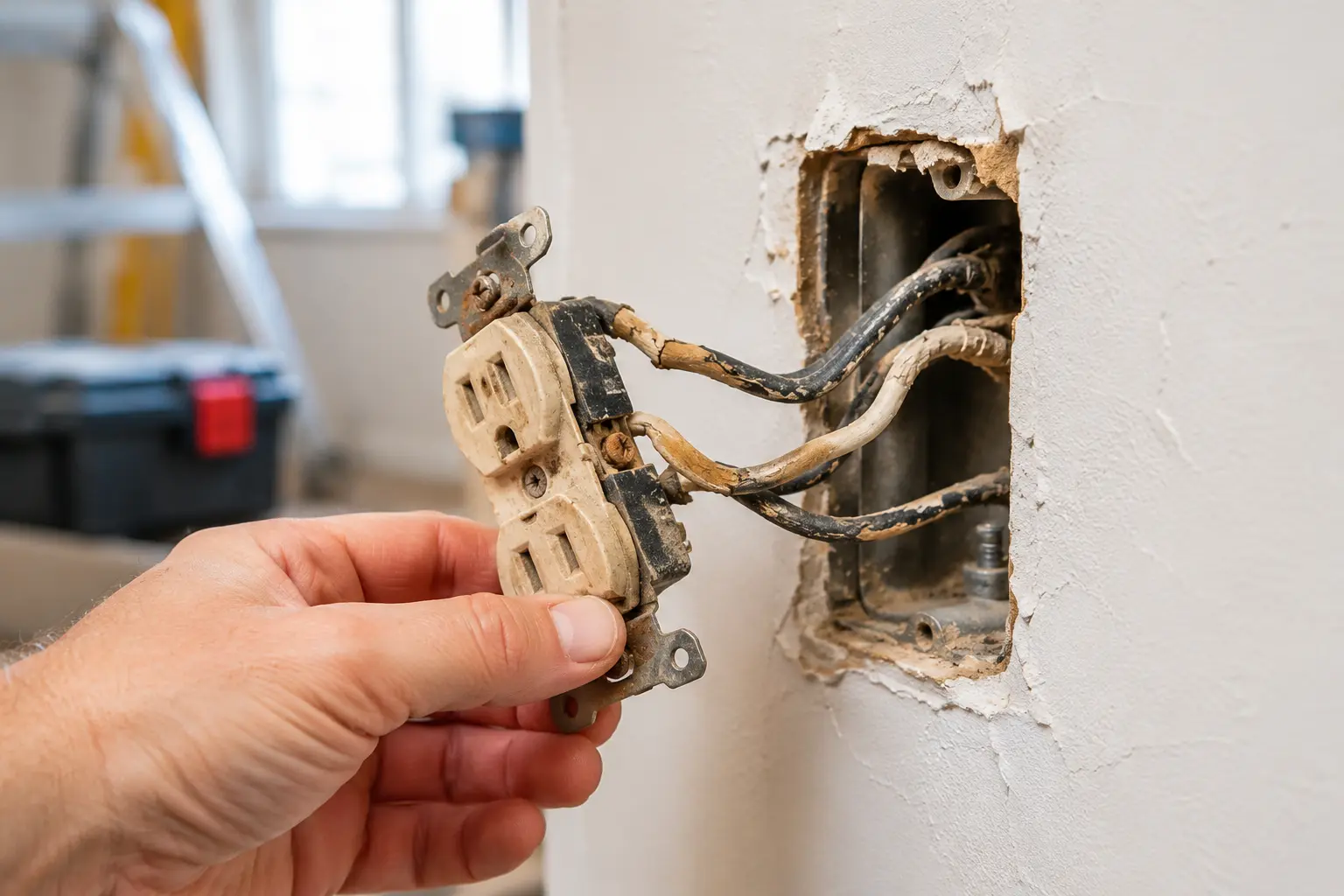
Discoloration, melted plastic, buzzing sounds, or burning odors may indicate loose connections or overheating.
Stop using the affected outlet and arrange a professional inspection. If you notice smoke or active sparking, keep away and contact emergency services.
4. Burning Smells Around Electrical Fixtures
A persistent burning or plastic-like smell near outlets, switches, or electrical equipment can indicate overheating.
Do not ignore unusual electrical odors, even if everything appears to be working normally.
5. Insufficient Electrical Outlets
Older homes may have fewer outlets than modern households need.
Using multiple extension cords and power strips to compensate can create additional electrical risks if circuits become overloaded.
A qualified electrician can install additional outlets and determine whether new circuits are required.
6. Outdated or Damaged Wiring
Cracked insulation, exposed conductors, damaged cables, and deteriorated connections can affect electrical safety.
Older wiring systems may also lack features required for certain modern installations.
Professional home wiring services can help determine whether targeted repairs or a larger rewiring project is the better solution.
When Should You Consider Rewiring Your Entire Home?
Not every electrical problem requires a complete house rewire. In many cases, an electrician can repair an individual circuit or replace a damaged section of wiring.
However, whole-house rewiring may be appropriate when multiple parts of the electrical system are outdated, damaged, or unsuitable for the property’s current needs.
Consider a professional rewiring assessment if:
- Your property still has old knob-and-tube wiring.
- Multiple circuits experience recurring problems.
- Electrical wiring has deteriorated throughout the home.
- Previous renovations have resulted in unsafe wiring modifications.
- You are planning a major home renovation.
- Your electrical system cannot support planned additions.
- An inspection identifies widespread wiring defects.
A complete rewire can involve replacing branch circuits, improving grounding and bonding, installing modern outlets, and updating electrical connections.
BeniteX Electric provides house wiring and rewiring services for homeowners who need anything from individual circuit improvements to complete residential rewiring.
Important Things to Consider Before Installing New Home Electrical Wiring
A successful electrical installation starts with proper planning. Before beginning a new wiring project, homeowners should consider their current electrical needs and future requirements.
1. Calculate Your Electrical Requirements
Every home has different electrical demands.
A small property with basic appliances may need a different electrical setup than a larger home with multiple HVAC systems, electric cooking equipment, and EV charging.
An electrician can calculate the expected electrical load and recommend suitable circuit arrangements and panel capacity.
2. Choose the Right Wire Size
Electrical conductors must be appropriately sized for their intended circuit, installation conditions, and overcurrent protection.
Using undersized wiring can cause excessive heating and create serious safety hazards.
Wire sizing should always be determined by a qualified electrician according to applicable electrical codes.
3. Plan Outlet and Switch Locations
Think about how you use each room before installing electrical wiring.
Consider locations for:
- Kitchen countertop appliances
- Bedroom lighting and bedside outlets
- Home office equipment
- Bathroom electrical fixtures
- Garage tools and equipment
- Outdoor lighting and receptacles
Good planning can reduce the need for extension cords and future electrical modifications.
4. Consider Dedicated Circuits
Certain appliances may require dedicated circuits based on their electrical requirements and applicable codes.
Common examples include:
- Electric ranges
- Clothes dryers
- Air conditioning equipment
- Electric water heaters
- EV charging equipment
- Other high-demand appliances
Dedicated circuits help ensure that equipment receives appropriately designed electrical service.
5. Check Electrical Panel Capacity
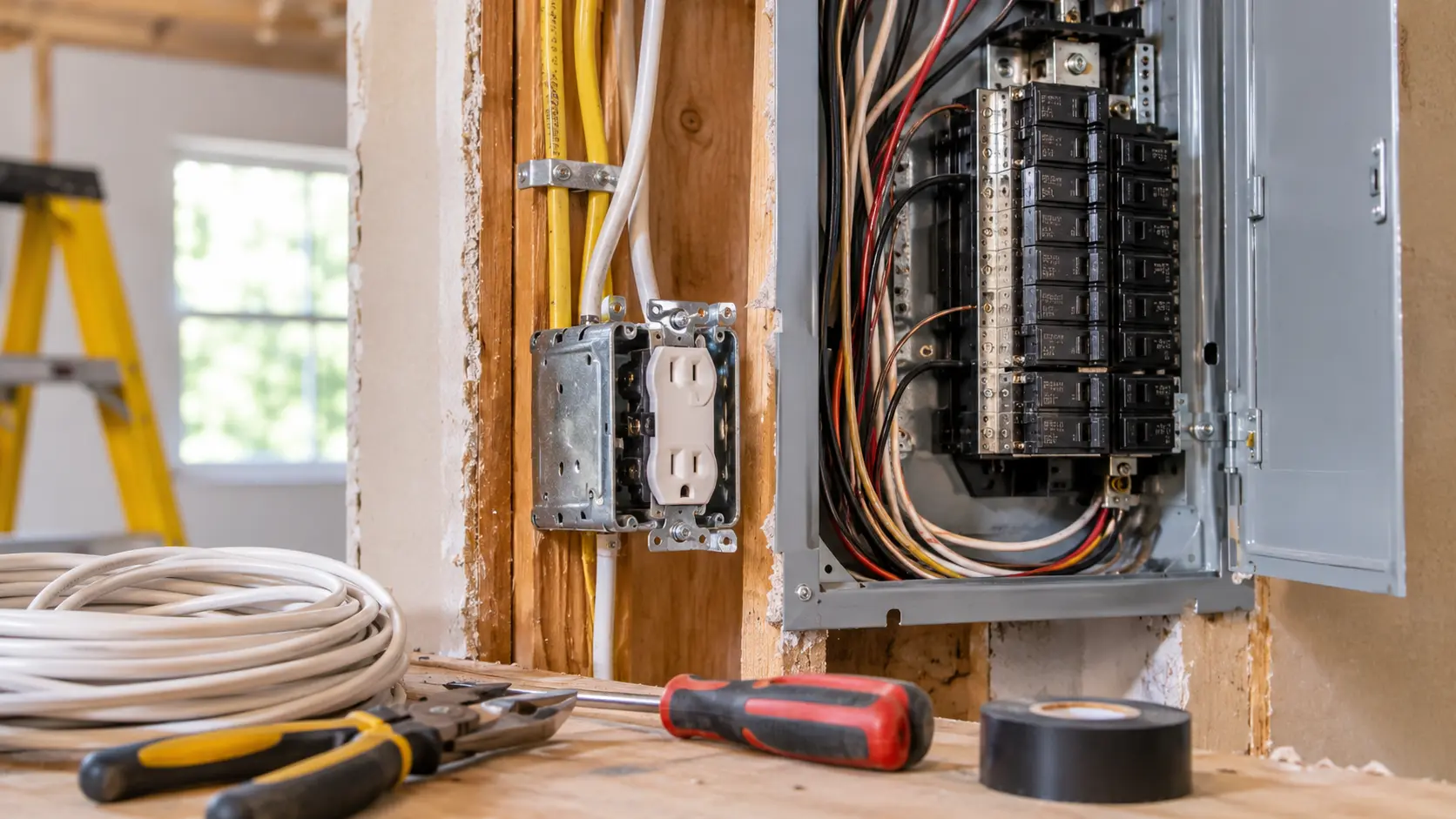
New wiring projects may require additional circuits. Before adding them, an electrician should inspect the existing electrical panel and determine whether sufficient capacity and space are available.
If the panel cannot support the planned electrical loads, a panel upgrade may be necessary.
6. Follow Local Permits and Electrical Codes
Residential electrical installations must comply with applicable building regulations and electrical codes.
Depending on the project, permits and inspections may be required.
Working with a qualified electrical contractor helps ensure that wiring methods, connections, protective devices, and installation details meet the applicable requirements.
What Is the Difference Between Partial Rewiring and Whole-House Rewiring?
Homeowners do not always need to replace every electrical wire in their property. The right approach depends on the condition of the existing wiring and the scope of the electrical problems.
| Feature | Partial Rewiring | Whole-House Rewiring |
| Scope | Specific rooms or circuits | Most or all residential circuits |
| Cost | Generally lower | Generally higher |
| Installation time | Usually shorter | Usually longer |
| Best for | Localized wiring problems | Widespread outdated or damaged wiring |
| Electrical upgrades | Limited to selected areas | Can modernize the entire wiring system |
| Wall access | Usually limited | May require access to multiple areas |
When Is Partial Rewiring Better?
Partial rewiring may be suitable when only one area has damaged wiring or when you are remodeling a particular room.
For example, a kitchen renovation may require new circuits, additional outlets, and updated appliance connections without replacing the wiring throughout the entire property.
When Is Whole-House Rewiring Better?
Whole-house rewiring may be the better option when the existing wiring is outdated or has widespread problems.
It allows an electrician to evaluate and update the electrical distribution throughout the property instead of repeatedly repairing individual sections.
The electrician should inspect the existing installation before recommending either option.
How Much Do Home Electrical Wiring Services Cost?
The cost of residential electrical wiring depends on the size of the project, wiring materials, accessibility, labor requirements, and the condition of the existing electrical system.
A minor outlet installation will generally cost less than replacing wiring throughout an entire home.
The following factors influence the overall cost:
| Cost Factor | Impact on Project Cost |
| Home size | Larger properties generally require more materials and labor |
| Wiring condition | Damaged or outdated wiring may require additional replacement |
| Project scope | Partial rewiring costs less than most complete rewiring projects |
| Accessibility | Finished walls and ceilings may increase labor requirements |
| Electrical panel | Panel repairs or upgrades may add to the project |
| Permits and inspections | Required permits and inspection costs affect the final estimate |
| Additional circuits | New dedicated circuits require additional materials and installation |
The best way to understand your project’s cost is to arrange an electrical inspection and request a detailed estimate.
Why Hire a Professional for Home Electrical Wiring?
Electrical wiring is not a suitable DIY project for homeowners without the required training and qualifications.
Incorrect connections, improper wire sizing, and inadequate circuit protection can create serious risks, including electric shock and electrical fires.
Hiring a professional electrician offers several important advantages.
- Proper installation: Wiring is selected and installed according to the electrical requirements of your property.
- Electrical safety: Connections, grounding, and protective devices are properly evaluated.
- Code compliance: Work is planned around applicable electrical codes and permit requirements.
- Accurate troubleshooting: Electricians can identify the underlying cause of recurring electrical problems.
- Future planning: Your electrical system can be designed with upcoming appliances and renovations in mind.
Professional installation also helps homeowners avoid repeated repairs caused by incorrect wiring work.
Frequently Asked Questions About Home Electrical Wiring
1. How long does home electrical wiring last?
The lifespan of residential electrical wiring depends on its material, installation quality, operating conditions, and maintenance. Some wiring systems can remain functional for many decades, while others may require earlier attention. Regular inspections can help identify deterioration and potential safety issues.
2. How do I know if my house needs rewiring?
Frequent breaker trips, flickering lights, burning smells, warm outlets, damaged insulation, and outdated wiring systems can indicate that an electrical inspection is necessary. An electrician can determine whether repairs or complete rewiring are appropriate.
3. Can I add new electrical outlets without rewiring my entire house?
Yes. Additional outlets can often be installed by extending an existing suitable circuit or adding a new circuit. The electrician must check circuit capacity, wiring condition, and applicable code requirements before proceeding.
4. Does a home renovation require new electrical wiring?
Not every renovation requires complete rewiring. However, remodeling projects may require additional circuits, updated outlets, lighting connections, or replacement of damaged wiring. Electrical requirements should be reviewed before construction begins.
5. What is the difference between electrical wiring repair and replacement?
Electrical wiring repair addresses a specific problem, such as a damaged conductor or faulty connection. Wiring replacement involves removing and installing new wiring, either in a particular section or throughout the property.
6. Do I need a permit for residential electrical wiring?
Many residential electrical wiring projects require permits and inspections, although requirements vary by location and project scope. A qualified electrical contractor can help determine which approvals are necessary.
7. Can old electrical wiring handle modern appliances?
It depends on the wiring condition, circuit ratings, and available electrical capacity. Older wiring may not support additional electrical loads safely. An electrician should evaluate the system before connecting high-demand equipment.
8. How often should homeowners have electrical wiring inspected?
There is no single inspection schedule that applies to every home. Older properties, homes undergoing renovations, and properties experiencing electrical problems may need more frequent professional assessments. Follow the electrician’s recommendations based on the system’s condition.
Get Professional Home Electrical Wiring Services From BeniteX Electric
Your home’s electrical wiring supports nearly everything you do each day, from powering kitchen appliances to running lighting, entertainment systems, and essential household equipment.
Keeping this system in good condition is important for electrical safety, reliable performance, and future home improvements.
Whether you need new circuit installation, wiring repairs, additional outlets, or complete house rewiring, working with an experienced electrical contractor can help you choose the right solution.
BeniteX Electric Inc. provides professional residential electrical services, including house wiring, rewiring, electrical panel upgrades, and circuit installations.
As a licensed C-10 electrical contractor (CSLB #1130816), BeniteX Electric serves homeowners across Orange County, California, with electrical solutions designed around their property’s requirements.
If you are experiencing electrical problems or planning a home renovation, the team can inspect your existing system and discuss the next steps.
Need professional electrical wiring assistance?
Call (949) 259-5956 to discuss your project and request an estimate.
- Website: BeniteX Electric Inc.
- Service: House Wiring & Rewiring Services
- Additional service: Electrical Panel Upgrades