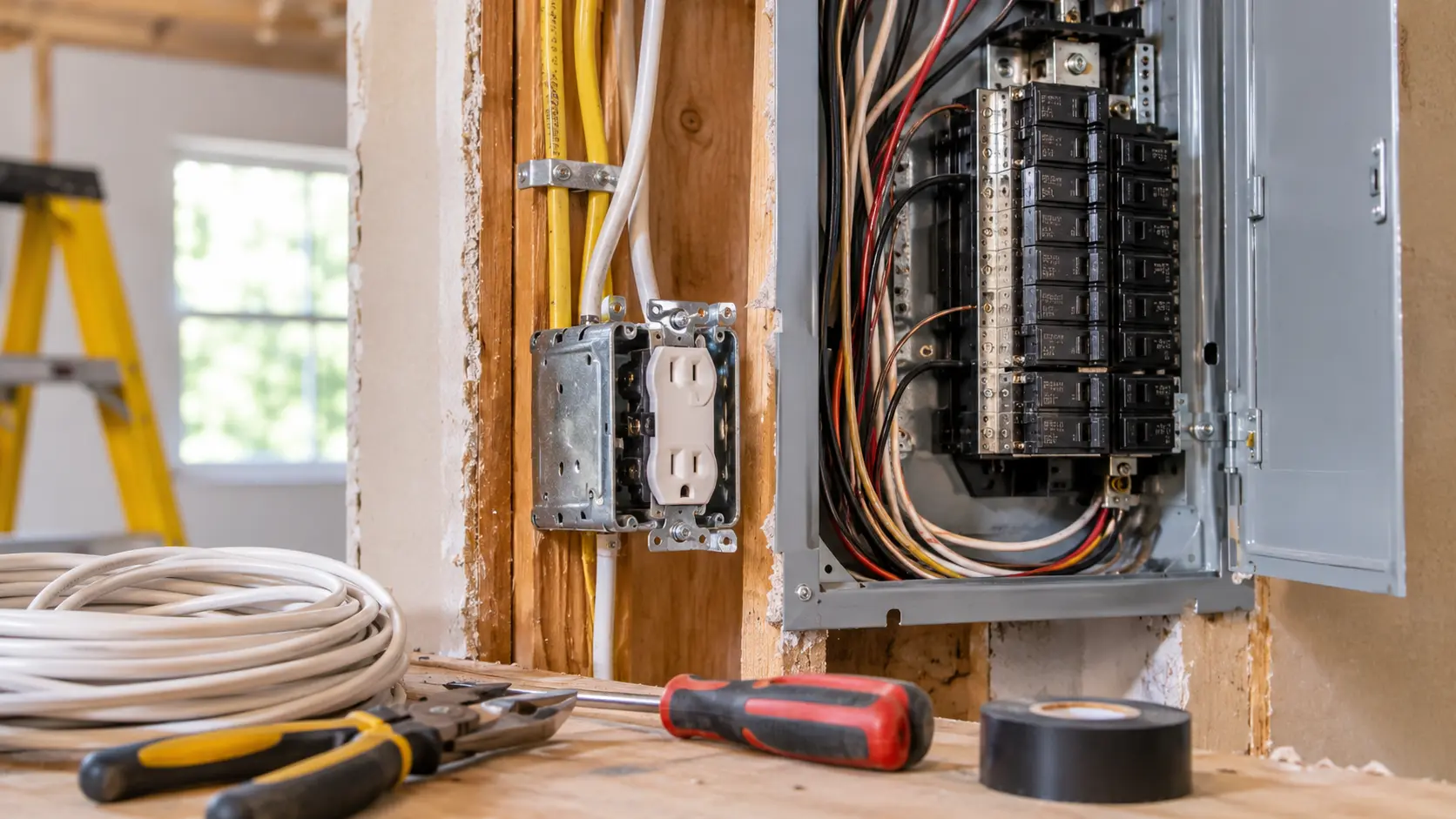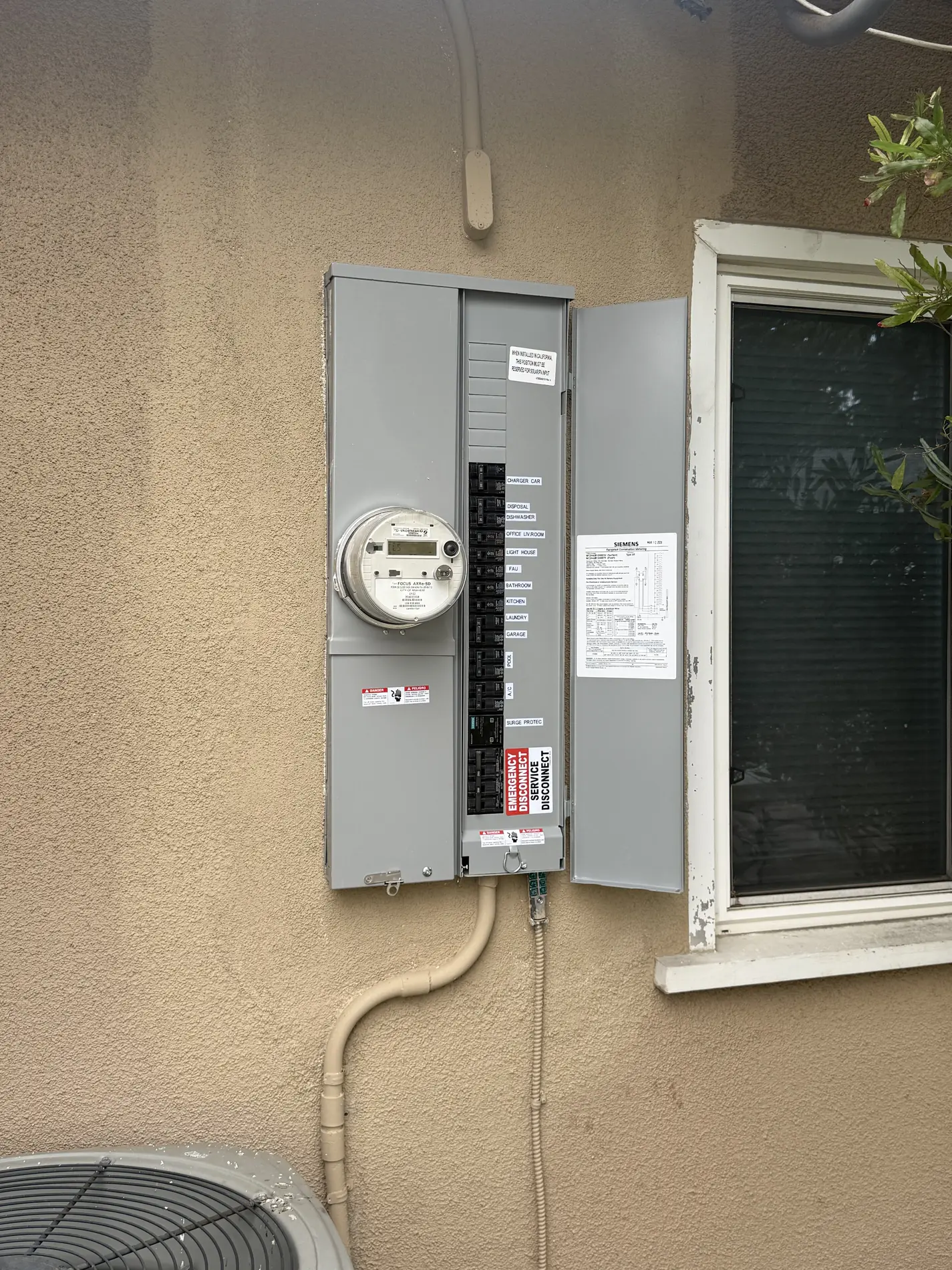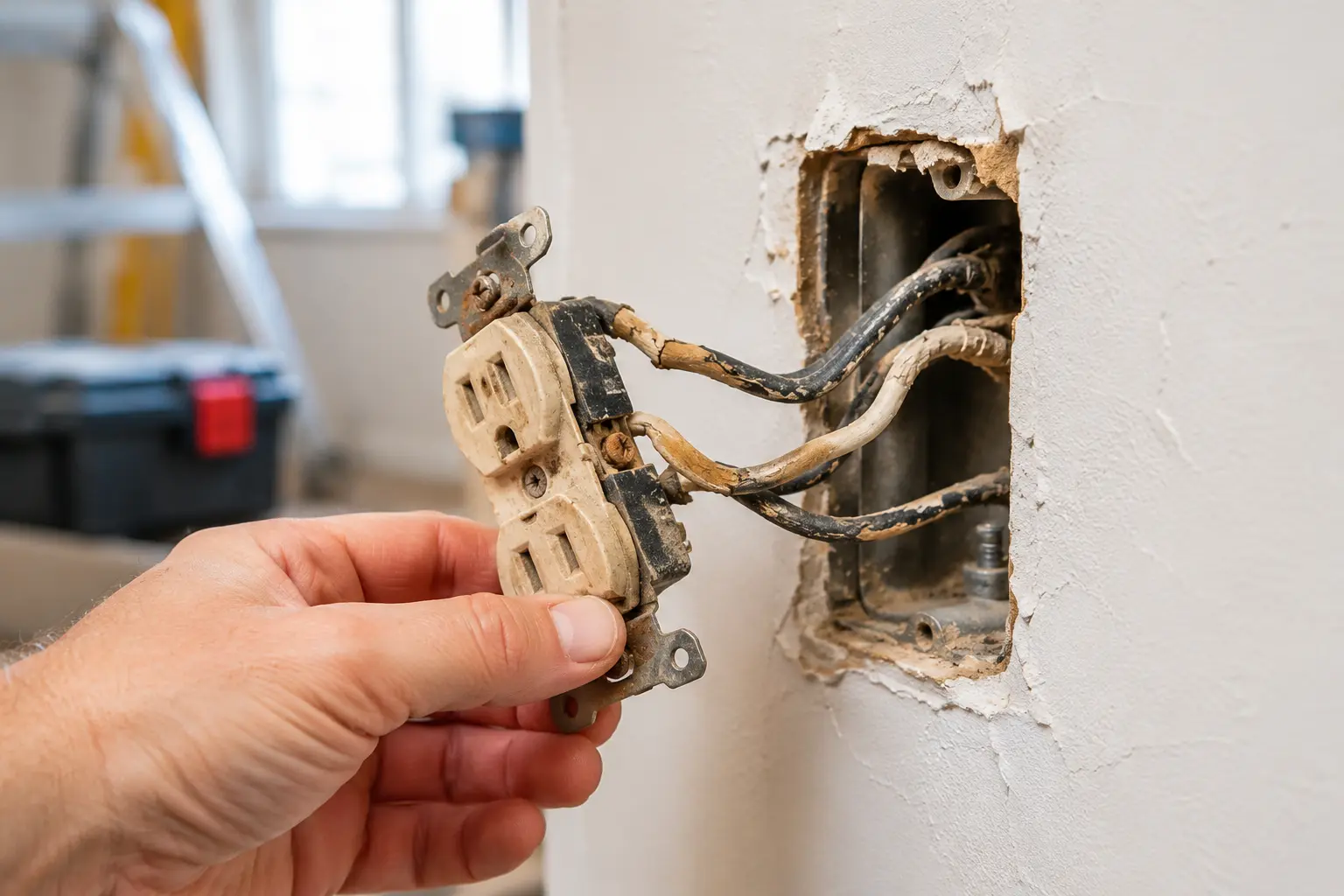
Your home’s electrical wiring plays an essential role in keeping your appliances, lighting, and everyday electrical systems operating safely. However, electrical wiring does not last forever. As homes age and electrical demands increase, outdated wiring can become a serious safety concern.
Many older homes were built with electrical systems designed for a much smaller number of appliances and devices. Today, homeowners rely on refrigerators, air conditioners, electric ovens, computers, smart home devices, and electric vehicle chargers. These modern electrical demands can place additional stress on older wiring systems that were never designed to handle them.
Unfortunately, electrical wiring problems are not always easy to identify. Some issues develop behind walls, inside electrical boxes, or around connections that homeowners rarely inspect. Recognizing the warning signs early can help prevent electrical failures, equipment damage, and potential fire hazards.
Whether you own an older property or have recently purchased a home, understanding when you need professional House Rewiring Services is important for maintaining a safe electrical system.
In this guide, we explain seven common warning signs of outdated electrical wiring, why they matter, and when to consider professional home wiring services.
Why Outdated Electrical Wiring Should Not Be Ignored
Electrical wiring distributes power throughout your home. Every outlet, light fixture, switch, and permanently connected appliance depends on a properly functioning electrical system.
Over time, wiring insulation can deteriorate, electrical connections can loosen, and older circuits may become inadequate for modern power requirements.
Some older properties may also contain outdated wiring methods, such as knob-and-tube wiring or aluminum branch-circuit wiring. These systems require careful evaluation by a qualified electrician to determine their condition and whether replacement or other corrective work is necessary.
Outdated wiring does not automatically mean your home is unsafe. However, damaged insulation, improper connections, inadequate grounding, and overloaded circuits can create serious electrical hazards.
The Electrical Safety Foundation International (ESFI) recommends electrical inspections for older homes, particularly properties that are 40 years or older, as well as homes that have undergone major renovations or received significant new electrical loads.
Knowing what to look for is the first step toward protecting your property.
7 Warning Signs of Outdated Electrical Wiring in Your Home
1. Frequently Tripping Circuit Breakers
One of the most common signs of an electrical wiring problem is a circuit breaker that trips repeatedly.
Circuit breakers are safety devices designed to interrupt electrical power when a circuit experiences excessive current or certain fault conditions. An occasional trip may happen when too many appliances operate on the same circuit. However, repeated tripping should not be treated as normal.
In older homes, electrical circuits may not have enough capacity for today’s appliances. For example, running an air conditioner, microwave, refrigerator, and other high-power equipment simultaneously may place excessive demand on an older circuit.
Repeated breaker trips can also indicate:
- Damaged electrical wiring.
- Loose or deteriorating electrical connections.
- Short circuits or ground faults.
- Overloaded branch circuits.
- Faulty electrical equipment.
- Incorrectly sized or incompatible protective devices.
What should homeowners do?
Avoid repeatedly resetting a breaker without identifying the cause. Disconnect unnecessary loads if it is safe, and arrange an inspection with a qualified electrician.
An electrician can evaluate the affected circuit, check its wiring condition, and determine whether additional circuits, electrical repairs, or a broader wiring upgrade are necessary.
If your home has several circuits that cannot support normal household use, professional House Wiring & Rewiring Services can help identify the appropriate long-term solution.
2. Lights Flicker, Dim, or Become Unusually Bright
Flickering lights are another warning sign that homeowners should not ignore.
A light may flicker occasionally because of a loose bulb or a problem with the fixture. However, repeated flickering or dimming across multiple rooms may indicate a more significant electrical issue.
For example, you might notice your kitchen lights dim when the air conditioner starts running. Alternatively, lights in different rooms may fluctuate when larger appliances operate.
Possible causes include:
- Loose wiring connections.
- Overloaded electrical circuits.
- Deteriorating electrical connections.
- Problems with the electrical panel.
- Issues with the incoming electrical supply.
In some situations, lights that become unusually bright or fluctuate significantly may indicate a loose neutral connection. This condition can be particularly concerning because it may expose appliances and electrical equipment to damaging voltage variations.
What should homeowners do?
Pay attention to when the flickering occurs. Does it happen in one room, throughout the house, or whenever a specific appliance starts?
This information can help an electrician narrow down the problem.
Do not assume replacing light bulbs will solve the issue if flickering continues. A professional electrical inspection can determine whether the problem involves a fixture, branch circuit, electrical panel, or another part of the system.
3. Burning Smells, Discolored Outlets, or Warm Switches
A burning smell near an electrical outlet or switch is a serious warning sign.
Electrical connections can generate excessive heat when they become loose, damaged, or overloaded. Over time, this heat may damage wire insulation, outlet components, and surrounding materials.
You may notice:
- A burning plastic or rubber smell.
- Brown or black marks around outlets.
- Discolored switch plates.
- Melted outlet covers.
- Electrical plugs that feel unusually hot.
- Wall switches that become excessively warm.
These symptoms can indicate overheating or an electrical connection problem.
Pay particular attention to outlets used for high-power appliances, such as space heaters, kitchen equipment, and other electrical devices.
An outlet or switch that is unusually hot should never be considered normal. Continuing to use it can increase the risk of electrical damage and fire.
What should homeowners do?
Stop using the affected outlet or switch. If you can safely identify and turn off the associated circuit breaker, do so. Do not remove outlet covers or attempt to inspect wiring yourself.
If you notice smoke, active sparking, or signs of fire, leave the property and call emergency services.
Once the immediate danger has been addressed, contact a qualified electrician to inspect the wiring and connections.
Depending on the condition of your electrical system, the solution may involve replacing a damaged outlet, repairing a circuit, or completing more extensive electrical wiring replacement.
4. Buzzing, Crackling, or Sizzling Sounds Near Electrical Fixtures
Electrical systems should generally operate without unusual sounds coming from outlets, switches, or wiring connections.
If you hear buzzing, crackling, popping, or sizzling around an electrical fixture, there may be a loose connection or electrical arcing.
Electrical arcing happens when electricity jumps across an unintended gap between conductive materials. It can generate intense heat and potentially ignite nearby materials.
Warning sounds may come from:
- Wall outlets.
- Light switches.
- Electrical panels.
- Light fixtures.
- Junction boxes.
Sometimes homeowners notice these sounds only when turning on a light or plugging in an appliance. Even if the sound disappears afterward, the underlying issue may remain.
Older electrical wiring and deteriorating connections can contribute to these problems, although faulty devices and other electrical components can also be responsible.
What should homeowners do?
Do not ignore unusual electrical sounds or attempt to tighten internal wiring connections yourself.
Stop using the affected fixture or outlet. If it is safe, switch off the relevant circuit and arrange a professional inspection.
If there is continuous crackling, visible sparking, smoke, or a burning smell, treat the situation as an immediate safety concern.
A qualified electrician can locate the source of the noise and determine whether the wiring, electrical device, or circuit needs repair or replacement.
5. You Experience Mild Electrical Shocks or Tingling Sensations
Receiving a small electrical shock when touching an appliance, switch, or outlet is not something to ignore.
Some homeowners dismiss mild tingling sensations as static electricity. However, repeated shocks from electrical equipment may indicate a grounding problem, damaged insulation, faulty wiring, or another electrical fault.
Potential causes include:
- Missing or improper grounding.
- Damaged electrical insulation.
- Faulty outlets or switches.
- Loose electrical connections.
- Defective appliances.
- Improperly installed electrical equipment.
Proper grounding helps provide a safe path for fault current and supports the operation of protective devices.
Older homes may have two-prong outlets or electrical systems that lack modern grounding arrangements. However, the appearance of an outlet alone does not establish whether the entire circuit is properly grounded.
What should homeowners do?
Stop using the appliance or electrical fixture that causes the shock. Avoid touching exposed wiring or attempting to test the electrical system yourself.
Have a qualified electrician inspect the affected circuit, grounding connections, outlets, and electrical equipment.
If the wiring is outdated or improperly configured, the electrician may recommend residential electrical wiring improvements or a broader home rewiring project.
6. Your Home Has Two-Prong Outlets or Relies Heavily on Extension Cords
Older electrical systems were designed around the electrical needs of their time. As homeowners add more appliances and electronic devices, they may find that the available outlets are no longer sufficient.
One visible indication of an older electrical system is the presence of two-prong outlets.
Traditional two-prong outlets do not provide an equipment grounding connection. This does not automatically mean the entire wiring system needs replacement, but it is a reason to have the electrical system evaluated.
Another warning sign is the frequent use of extension cords and power strips because there are not enough conveniently located outlets.
For example, you may notice:
- Multiple power strips connected in one room.
- Extension cords used as permanent wiring.
- Several appliances sharing one outlet.
- Power strips supporting high-power appliances.
- Limited outlets in kitchens, bedrooms, and living areas.
These arrangements can create additional risks when circuits become overloaded or electrical cords are damaged.
Modern households often require dedicated circuits for certain appliances and additional outlets in areas where electrical demand has increased.
What should homeowners do?
Avoid using extension cords as a permanent substitute for properly installed outlets.
Ask an electrician to evaluate the existing wiring, grounding, circuit capacity, and outlet placement.
Depending on the inspection, improvements may include installing additional outlets, upgrading grounding arrangements, adding dedicated circuits, or completing whole-home rewiring.
If you are renovating an older property, planning these improvements early can help create a safer and more practical electrical layout.
7. Your Home Still Has Old or Damaged Electrical Wiring
Sometimes, the biggest warning sign is the age and visible condition of the electrical system itself.
Older homes may contain wiring materials or installation methods that are no longer commonly used in modern residential construction.
Examples include:
Knob-and-tube wiring: This older wiring method uses individual conductors supported by ceramic knobs and tubes. It generally lacks an equipment grounding conductor and may have deteriorated insulation or been improperly modified over time.
Aluminum branch-circuit wiring: Some homes built during certain periods used aluminum conductors for branch circuits. Aluminum wiring requires appropriate connections, devices, and installation practices. A qualified electrician should evaluate its condition and determine the correct corrective approach.
Damaged insulation: Electrical wires can develop cracked, brittle, cut, or deteriorating insulation due to age, heat, pests, moisture, or physical damage.
Improper electrical modifications: Previous renovations or DIY electrical work may have resulted in unsafe connections, unsuitable wiring, or improperly installed electrical components.
Other warning signs may include exposed conductors, damaged electrical boxes, loose outlets, and missing protective covers.
What should homeowners do?
Never touch exposed electrical conductors or attempt to repair damaged wiring yourself.
Have an electrician inspect the wiring throughout the property, including accessible junction boxes, outlets, switches, and the electrical panel.
If the existing system has widespread deterioration or outdated wiring that cannot be safely retained, whole-home rewiring may be the most appropriate long-term solution.
Professional home wiring and rewiring services can help replace unsuitable wiring, improve circuit arrangements, and support modern electrical requirements.
When Should You Consider Whole House Rewiring?
Not every electrical problem requires replacing all the wiring in a home.
In some situations, repairing a damaged connection, replacing an outlet, or installing a new circuit may resolve the issue.
However, whole-house rewiring may be worth considering when:
- Your property has widespread outdated or deteriorating wiring.
- Multiple circuits experience recurring electrical problems.
- Existing wiring has been improperly modified.
- Major renovations require substantial electrical improvements.
- The electrical system lacks suitable grounding arrangements.
- Your home’s electrical requirements have significantly increased.
- An inspection identifies several safety concerns across different areas.
A professional electrician can determine whether partial rewiring, targeted repairs, or complete electrical wiring replacement makes the most sense.
The right solution depends on the property’s age, wiring condition, electrical layout, and present and future power requirements.
What Happens During Professional House Rewiring Services?
A professional rewiring project should begin with an assessment rather than an immediate recommendation to replace everything.
The electrician evaluates the existing electrical system and identifies areas that require attention.
A typical house rewiring project may include the following steps:
1. Electrical Inspection
The electrician evaluates accessible wiring, outlets, switches, grounding, junction boxes, and the electrical panel.
2. Project Planning
A wiring plan is developed based on the home’s layout, electrical requirements, and the condition of the existing system.
3. Wiring Replacement
Unsuitable or damaged wiring is replaced with appropriately sized conductors and properly installed connections.
4. Circuit and Outlet Improvements
Additional circuits, outlets, switches, and connections may be installed where needed.
5. Testing and Inspection
The completed work is tested to verify that circuits, connections, and protective devices operate correctly. Required permits and inspections are addressed according to applicable local requirements.
The exact scope depends on the property and the work being performed.
For homeowners planning a larger electrical project, professional House Rewiring Services from BeniteX Electric provide an option for evaluating existing wiring and planning appropriate improvements.
Why Older Homes in Orange County May Need an Electrical Inspection
Orange County has a mix of older properties, renovated homes, and newer residential developments.
Some older properties may still have electrical systems designed around the needs of earlier decades. Meanwhile, modern homeowners increasingly use high-demand appliances, home office equipment, smart home technology, and electric vehicle charging systems.
These additions can make it important to evaluate whether the existing electrical system is suitable for current requirements.
For example, installing a home EV charger may require an assessment of available electrical capacity, the existing panel, and the proposed charging circuit.
Similarly, kitchen renovations, room additions, and major appliance installations may require new circuits or other electrical improvements.
An electrical inspection can help identify limitations before you begin a major renovation or add new equipment.
Homeowners in Irvine, Anaheim, Santa Ana, and other Orange County communities should consider having older or modified electrical systems evaluated by a qualified professional.
Frequently Asked Questions About Outdated Electrical Wiring
1. How do I know if my home needs rewiring?
Common warning signs include frequently tripping breakers, flickering lights, warm or discolored outlets, burning smells, unusual electrical sounds, mild shocks, and visibly damaged wiring.
An electrical inspection is the best way to determine whether your home needs targeted repairs, partial rewiring, or complete replacement.
2. How often should home electrical wiring be inspected?
There is no single inspection interval that applies to every property. The condition and age of the wiring, previous renovations, electrical usage, and any recurring problems all matter.
ESFI recommends inspections for homes 40 years or older, properties that have undergone major renovations or received significant new appliances, and homes with new owners.
3. Does an old house always need new electrical wiring?
No. An older home does not automatically require complete rewiring.
Some older electrical systems may still be in acceptable condition, while others may have damaged insulation, outdated wiring methods, improper modifications, or grounding concerns.
A qualified electrician should evaluate the actual condition before recommending replacement.
4. How long does it take to rewire an entire house?
The project timeline depends on the home’s size, wiring layout, accessibility, wall construction, electrical panel condition, and amount of work required.
A smaller property may require less time than a large home with difficult access or extensive electrical modifications.
An electrician can provide a more accurate timeline after inspecting the property.
5. Can I stay in my home during electrical rewiring?
In many cases, homeowners can remain in their properties during a planned rewiring project.
Electricians may complete the work in sections and coordinate temporary power interruptions. However, some projects require more extensive access or planned outages.
Discuss the expected schedule and safety arrangements with your electrical contractor before work begins.
6. Is replacing old electrical wiring worth it?
Replacing damaged or unsuitable wiring can improve electrical safety, support modern electrical requirements, and reduce recurring problems associated with deteriorating circuits.
It may also make future renovations and electrical installations easier to plan.
The value of rewiring depends on the condition of the existing system and the property’s needs.
7. Do I need a permit for house rewiring in California?
Electrical permits are generally required for substantial electrical work, including many complete rewiring projects. Requirements depend on the work being performed and the local building department.
Homeowners should confirm applicable permit and inspection requirements with their electrician and local authority before starting a project.
Schedule Professional House Rewiring Services with BeniteX Electric
Outdated electrical wiring can create problems that are difficult to identify without a professional inspection. From frequently tripping breakers to damaged insulation and overheating outlets, recognizing these warning signs early can help protect your home and electrical equipment.
If your property has older wiring, recurring electrical problems, or increased power requirements, consider having your electrical system evaluated before the issues become more serious.
BeniteX Electric Inc. provides residential electrical services, including house wiring, rewiring, circuit installation, and electrical panel upgrades. Our team serves homeowners throughout Orange County, California, helping evaluate existing electrical systems and plan suitable improvements.
Whether you need to replace damaged wiring, improve an older home’s electrical system, or explore a whole-home rewiring project, we can help you understand the available options.
Contact BeniteX Electric to discuss your project and request an estimate.
- Call: (949) 259-5956
- Website: https://benitexelectric.com/
- Service: House Wiring & Rewiring Services
- Contact: https://benitexelectric.com/contact-us/
- BeniteX Electric Inc. | C-10 Electrical Contractor | CSLB #1130816