Your home’s electrical panel plays an important role in keeping your electrical system safe and reliable. It controls how electricity flows throughout your property and helps protect your wiring from overloads and short circuits. However, not every home has the same type of electrical panel. Older properties may still use traditional fuse boxes, while newer homes typically have modern circuit breaker panels.
Understanding the difference between a fuse box vs circuit breaker can help homeowners make better decisions about electrical safety and future upgrades. Although both systems protect electrical circuits, they operate differently and offer different levels of convenience, flexibility, and functionality.
If your home still relies on an outdated fuse box, you may be wondering whether replacing it is worth the investment. A modern circuit breaker panel can provide more convenient protection, support today’s electrical demands, and prepare your property for future improvements such as EV chargers and additional appliances.
What Is a Fuse Box?
A fuse box is an older type of electrical distribution system designed to protect household wiring from excessive electrical current. It contains individual fuses that disconnect power when a circuit becomes overloaded or experiences a short circuit.
Each fuse contains a metal element that melts when the electrical current exceeds its rated capacity. Once this happens, the circuit is interrupted, preventing excessive current from continuing through the wiring.
Many older homes were originally built with fuse boxes because household electricity needs were much lower than they are today.
How Does a Fuse Box Work?
A traditional fuse box distributes electricity to different circuits throughout the home. Each circuit has a fuse with a specific amperage rating.
When electrical demand becomes too high, the fuse element melts and stops the flow of electricity.
To restore power, the blown fuse must be replaced with a new fuse of the correct rating.
Common Characteristics of Fuse Boxes
- Use replaceable fuses instead of resettable breakers.
- Often have limited electrical capacity.
- May have fewer available circuits.
- Require replacement fuses when a circuit blows.
- Are commonly found in older residential properties.
- May not support modern electrical upgrades without additional work.
Although fuse boxes can provide basic overcurrent protection when properly designed and maintained, their age, condition, and available capacity may make them unsuitable for some modern households.
What Is a Circuit Breaker Panel?
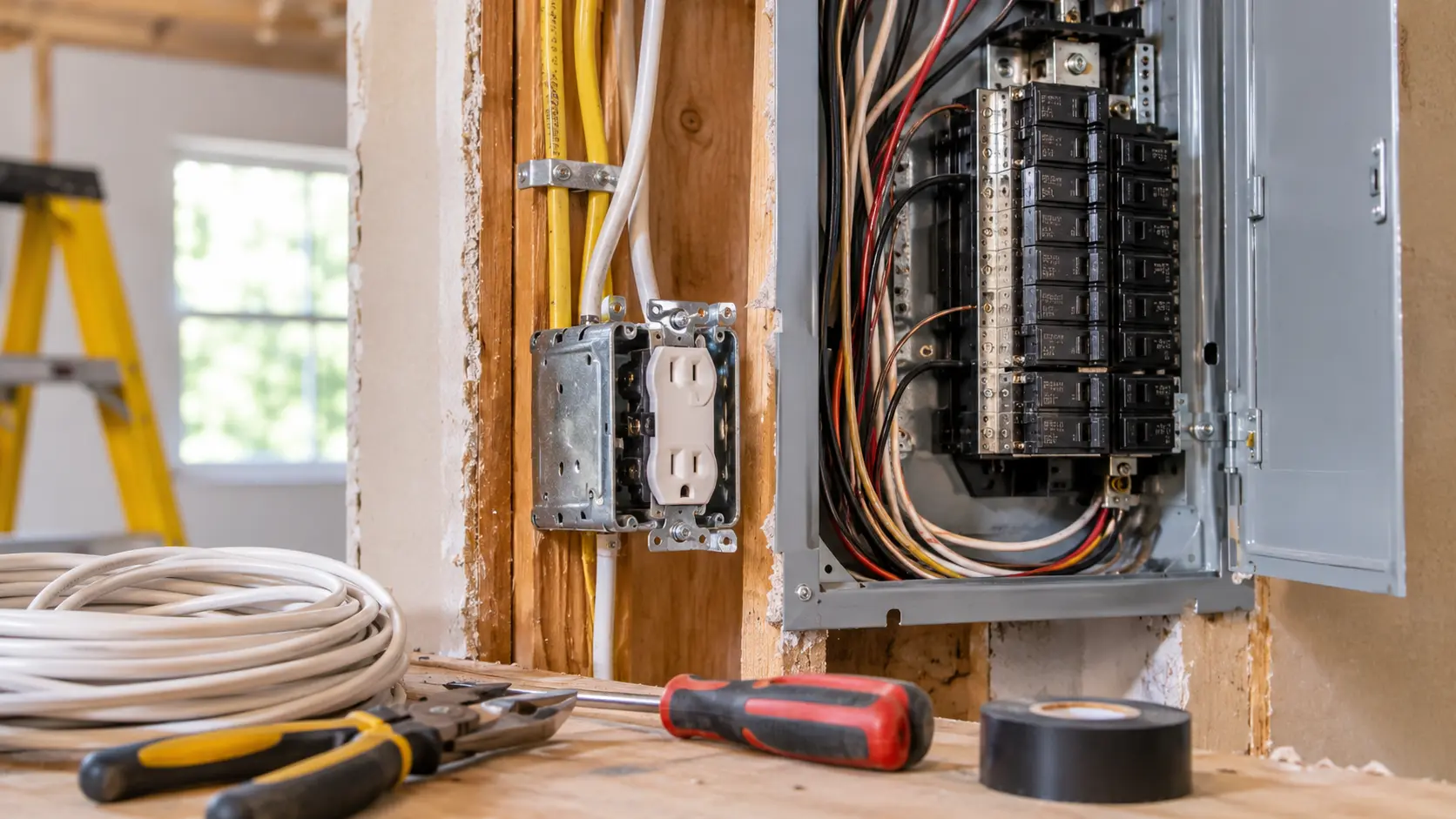
A circuit breaker panel is a modern electrical distribution system that protects individual circuits using resettable switches called circuit breakers.
Unlike traditional fuses, circuit breakers automatically interrupt electricity when they detect an overload or short circuit. Once the problem is resolved, the breaker can usually be reset instead of replaced.
Modern breaker panels are designed to handle the electrical needs of today’s homes, including larger appliances, air conditioning systems, home offices, and electric vehicle charging equipment.
How Does a Circuit Breaker Work?
A circuit breaker monitors the electrical current flowing through a circuit. If the current exceeds the breaker’s rated capacity or a fault occurs, its internal mechanism trips and stops the flow of electricity.
After identifying and correcting the problem, a homeowner can generally reset the breaker.
However, a breaker that trips repeatedly should never be ignored. It may indicate an overloaded circuit, faulty appliance, damaged wiring, or another electrical problem that needs professional attention.
Common Features of Circuit Breaker Panels
- Use resettable switches instead of replaceable fuses.
- Offer convenient circuit management.
- Support a wider range of modern electrical configurations.
- Make it easier to identify and isolate electrical problems.
- Can accommodate additional circuits when properly sized.
- Support modern safety devices, including GFCI and AFCI protection where required.
For homeowners planning future electrical improvements, a modern breaker panel can offer greater flexibility and convenience.
Fuse Box vs Circuit Breaker: Key Differences
When comparing a fuse box vs circuit breaker, the biggest differences involve how each system responds to excessive electrical current, how power is restored, and how easily the electrical system can support modern household needs.
Both systems are designed to protect electrical circuits, but circuit breaker panels offer several practical advantages for most modern homes.
Fuse Box vs Circuit Breaker Comparison Table
| Feature | Traditional Fuse Box | Circuit Breaker Panel |
| Protection method | Melts a fuse element | Trips a breaker |
| Restoring power | Replace the blown fuse | Reset the breaker |
| Reusability | Fuses are single-use | Breakers are resettable |
| Convenience | Requires spare fuses | Easier to restore power |
| Circuit management | Often more limited | More flexible |
| Modern appliances | May have limited capacity | Can support properly sized modern loads |
| Maintenance | Replacement fuses may be needed | Requires inspection and maintenance |
| Future upgrades | May require extensive changes | Generally offers more flexibility |
| Safety | Depends on condition and correct fuse sizing | Depends on condition, installation, and correct breaker sizing |
Important: Neither system is automatically safe simply because of its design. Proper installation, correct ratings, grounding, and regular inspections are essential. A modern circuit breaker panel also cannot eliminate every electrical hazard.
Why Are Circuit Breaker Panels Better for Modern Homes?
A traditional fuse box may have worked well when a home had fewer electrical appliances. However, modern households use significantly more electricity than older electrical systems were originally designed to handle.
From electric vehicles to high-powered kitchen appliances, today’s electrical demands can place additional pressure on an outdated panel.
Here are some reasons why replacing an old fuse box with a modern circuit breaker panel can be a worthwhile investment.
1. Improved Electrical Protection
One of the biggest advantages of a circuit breaker panel is its resettable protection system.
When a circuit experiences excessive current, the breaker trips and interrupts the electrical flow. This helps protect the connected wiring from overheating caused by an overload.
Modern electrical installations can also include specialized protective devices, such as:
- GFCI protection: Helps reduce the risk of electric shock in areas where electrical equipment may come into contact with water.
- AFCI protection: Helps detect certain dangerous electrical arcing conditions that could lead to fires.
- Main circuit breaker: Provides a way to disconnect power to the entire electrical panel.
These protective features must be selected and installed according to applicable electrical codes and the property’s requirements.
An electrical panel upgrade can help bring an outdated electrical distribution system up to current requirements when a replacement is appropriate.
2. Easier Resetting and Circuit Management
With a traditional fuse box, a blown fuse must be identified and replaced with another fuse of the correct rating.
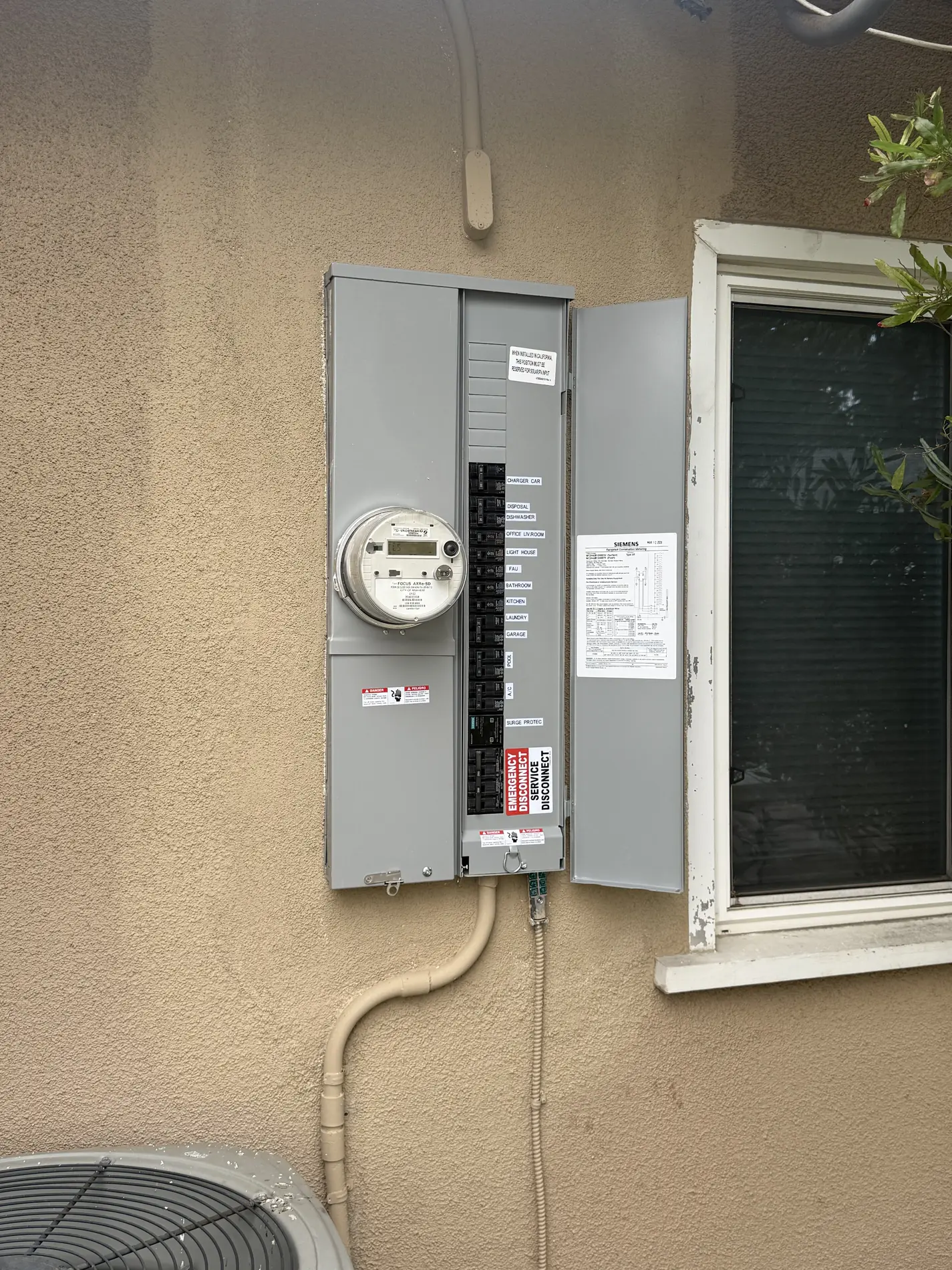
Circuit breaker panels make this process more convenient. If a breaker trips, homeowners can usually identify the affected circuit by checking the panel directory.
After the underlying issue has been resolved, the breaker can be reset.
This is especially useful in busy households where losing power to a kitchen, bedroom, or home office can interrupt everyday activities.
However, repeatedly resetting a tripped breaker without addressing the cause is not a safe solution.
3. Better Support for Modern Electrical Appliances
Today’s homes often contain appliances that require dedicated circuits or higher electrical loads.
Examples include:
- Electric ovens and cooktops
- Central air conditioning systems
- Electric water heaters
- Clothes dryers
- Home office equipment
- Heat pumps
- Electric vehicle chargers
An older fuse box may not have enough capacity or available circuits to accommodate these additions safely.
A properly designed breaker panel can provide additional circuit space and the electrical capacity needed for compatible equipment.
If you are planning to install an EV charger, it is particularly important to check whether your existing electrical service can handle the additional demand. BeniteX Electric also provides EV charger installation services, helping homeowners plan their charging setup alongside their electrical panel requirements.
4. More Flexibility for Future Electrical Upgrades
An electrical panel is a long-term part of your home’s infrastructure. Choosing a suitable replacement can make future improvements easier.
For example, you may eventually want to add:
- A Level 2 home EV charger
- A new HVAC system
- Solar equipment
- A home addition
- A workshop or garage circuit
- Additional kitchen appliances
A modern electrical panel can offer more flexibility for these projects, depending on its available capacity and design.
During an electrical panel upgrade, an electrician can perform a load calculation to determine whether a 100-amp, 200-amp, or larger service is appropriate for your property.
This helps prevent choosing a panel that is too small or paying for unnecessary capacity.
5. Improved Convenience and Home Appeal
Electrical systems are an important part of a property’s overall condition.
An outdated fuse box may raise questions during a home inspection, especially if the system has limited capacity, visible damage, or other safety concerns.
Replacing an unsuitable fuse box with a properly installed breaker panel can make the electrical system easier to manage and more attractive to potential buyers.
Although an upgrade does not guarantee a higher selling price, having modern electrical equipment and appropriate documentation can provide greater confidence during a property sale.
Signs Your Home May Need a Fuse Box Replacement
Not every older electrical panel needs immediate replacement. However, certain warning signs suggest that your existing system should be inspected by a qualified electrician.
Watch for these common problems:
1. Frequently Blown Fuses
If you regularly replace blown fuses, your electrical system may be experiencing overloaded circuits or another underlying issue.
Replacing fuses repeatedly without investigating the cause can create unnecessary risks.
2. Flickering or Dimming Lights
Lights that flicker or dim when appliances turn on may indicate an overloaded circuit, loose electrical connection, or another wiring problem.
An electrician can inspect the system and determine whether the panel is contributing to the issue.
3. Burning Smells or Discoloration
A burning smell, scorch marks, or unusual discoloration around an electrical panel should never be ignored.
These signs may indicate overheating or damaged electrical components.
If you notice smoke, sparks, or active signs of fire, stay away from the panel and contact emergency services.
4. Limited Electrical Capacity
If your home struggles to support additional appliances or you cannot add new circuits, your existing fuse box may have limited capacity.
A professional load calculation can help determine whether replacing the panel is necessary.
5. An Outdated or Damaged Electrical Panel
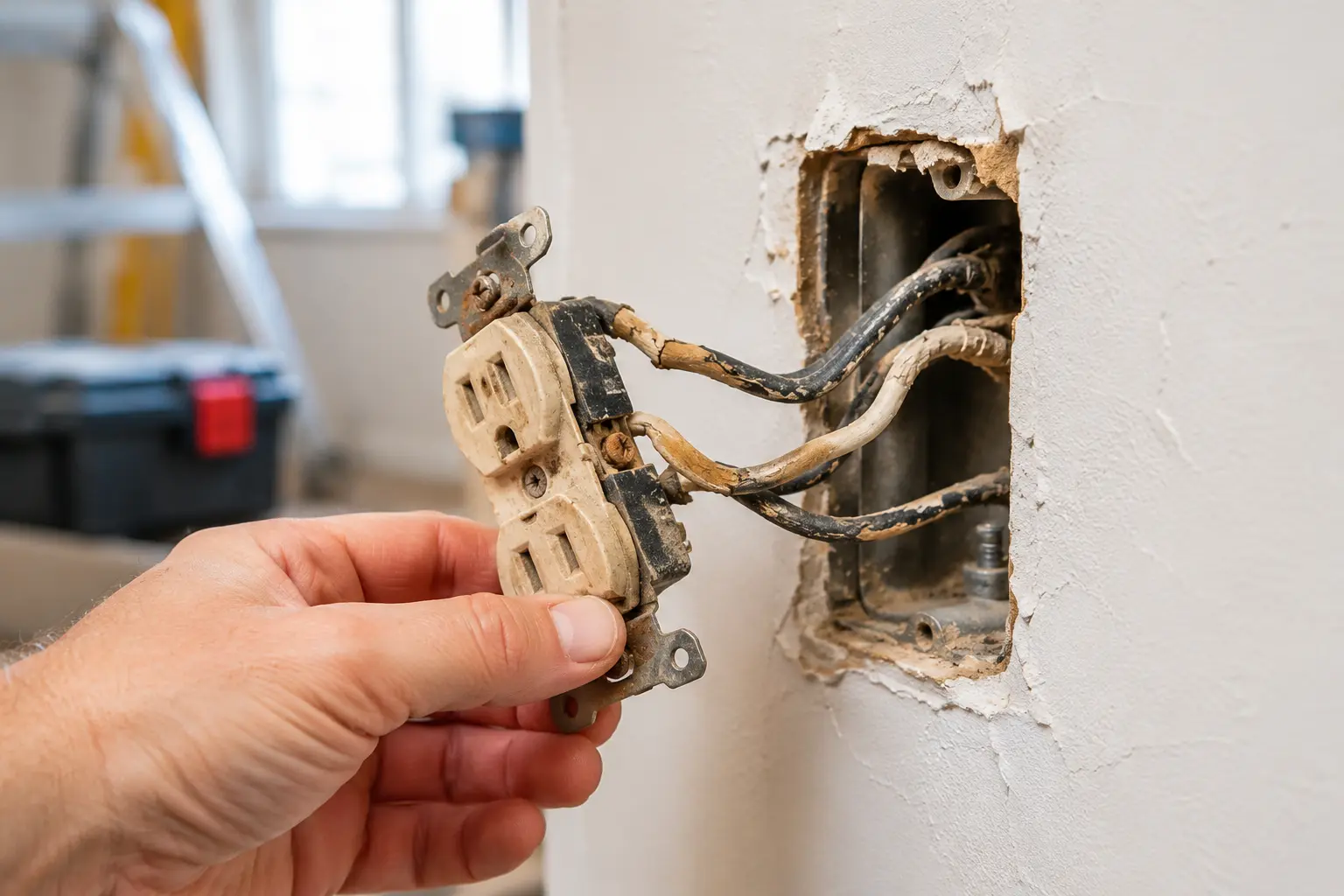
Older electrical panels may have worn components, corrosion, damaged connections, or outdated configurations.
Some older panel brands, including Federal Pacific and Zinsco, also have documented safety concerns. Their condition should be assessed by an experienced electrician.
How Much Does It Cost to Replace a Fuse Box With a Circuit Breaker Panel?
The cost of replacing a fuse box with a circuit breaker panel depends on several factors, including the existing electrical service, panel capacity, wiring condition, and installation requirements.
A straightforward replacement may cost less than a complete electrical service upgrade involving additional wiring, grounding improvements, or meter equipment.
Here are some factors that can affect the overall project cost:
| Cost Factor | How It Affects Pricing |
| Panel capacity | Larger panels and service upgrades may cost more |
| Existing wiring | Damaged or outdated wiring may require additional work |
| Electrical service | Upgrading from 100 amps to 200 amps may involve additional equipment |
| Permits and inspections | Required permits and inspections add to project costs |
| Meter and service equipment | Replacement may be necessary depending on existing conditions |
| Accessibility | Difficult installation locations can increase labor requirements |
For an accurate estimate, an electrician should inspect the existing system and explain the recommended work.
BeniteX Electric offers electrical panel upgrade solutions for residential and commercial properties, including 100-amp, 200-amp, and 400-amp systems. Visit the electrical panel upgrade service page to learn more about available options.
Is a 200-Amp Circuit Breaker Panel Worth It?
A 200-amp electrical panel is a popular option for many modern homes because it can provide more electrical capacity than a traditional 100-amp service.
However, it is not necessary for every property. The correct panel size depends on the home’s electrical load, existing service equipment, and future plans.
A 200-amp upgrade may be worth considering if you:
- Plan to install a Level 2 EV charger.
- Have several large electrical appliances.
- Are adding an HVAC system or heat pump.
- Are remodeling your kitchen or adding living space.
- Need additional circuits for future projects.
- Have an older 100-amp service that cannot support your calculated electrical demand.
A licensed electrician should perform an electrical load calculation before recommending a service size.
What Happens During a Fuse Box to Circuit Breaker Upgrade?
Replacing an old fuse box involves more than simply installing a new electrical panel. The electrician must check the entire electrical setup to ensure the new equipment is properly connected and suitable for the property’s needs.
Here is what homeowners can generally expect during the process.
- Initial inspection: The electrician examines the existing fuse box, wiring, grounding, and service equipment.
- Electrical load calculation: The home’s current and expected electrical demands are evaluated.
- Project planning: The appropriate panel size and installation requirements are determined.
- Permits and utility coordination: Required permits are obtained, and the utility is contacted when service disconnection or reconnection is needed.
- Panel replacement: The old equipment is removed, and the new circuit breaker panel is installed.
- Testing and inspection: Connections, circuit labels, and protective devices are checked before the system is returned to service.
The exact timeline depends on the property’s condition and the scope of work. Some straightforward upgrades can be completed in a day, while more complex projects may take longer.
Frequently Asked Questions
1. Is a circuit breaker safer than a fuse box?
A properly installed and maintained circuit breaker panel offers convenient, resettable overcurrent protection. However, both fuses and circuit breakers can provide effective protection when correctly rated and installed. The condition and design of the entire electrical system matter.
2. Can I replace a fuse box with a circuit breaker panel?
Yes. A qualified electrician can evaluate your existing electrical system and replace a suitable fuse box with a modern circuit breaker panel. The project may also require wiring improvements, grounding work, permits, and inspections.
3. How long does a circuit breaker panel last?
Many circuit breaker panels can last several decades, but their actual lifespan depends on the manufacturer, installation quality, operating conditions, and maintenance. Age alone does not determine whether replacement is necessary.
4. Do I need to upgrade to 200 amps when replacing a fuse box?
Not necessarily. A 100-amp, 200-amp, or larger service should be selected based on your home’s calculated electrical demand. A professional assessment can determine the appropriate capacity.
5. Does replacing a fuse box increase home value?
A modern electrical panel can improve the functionality and appeal of a property. It may also address concerns identified during a home inspection. However, the actual effect on resale value depends on the property and local market.
6. Can an old fuse box support an EV charger?
It depends on the existing service capacity and available electrical load. Some systems may require an upgrade before an EV charger can be installed. An electrician should evaluate the system before installation.
Upgrade Your Electrical Panel With BeniteX Electric
When comparing a fuse box vs circuit breaker, the right choice depends on your home’s electrical condition, current power requirements, and future plans.
While traditional fuse boxes can still provide basic electrical protection, an outdated system may not offer the flexibility and capacity needed for modern appliances, EV chargers, and other electrical improvements.
Upgrading to a properly sized circuit breaker panel can improve convenience, support additional electrical loads, and help bring your home’s electrical system in line with current safety requirements.
If you are considering a fuse box replacement or electrical panel upgrade, BeniteX Electric Inc. can help you understand your options.
BeniteX Electric Inc. is a licensed C-10 electrical contractor (CSLB #1130816) serving homeowners and businesses across Orange County, California. The team provides electrical panel upgrades, EV charger installations, and other electrical services, with permit and inspection coordination.
Ready to upgrade your electrical panel?
- Call (949) 259-5956 to discuss your project and request an estimate.
- Website: https://benitexelectric.com/