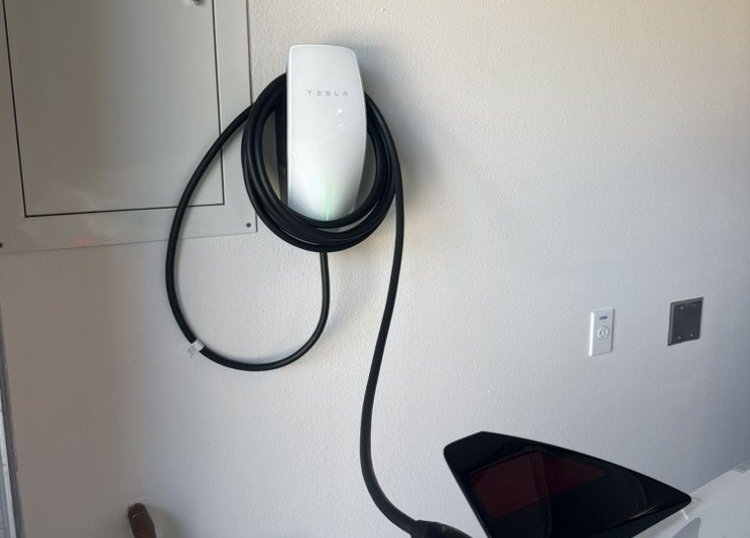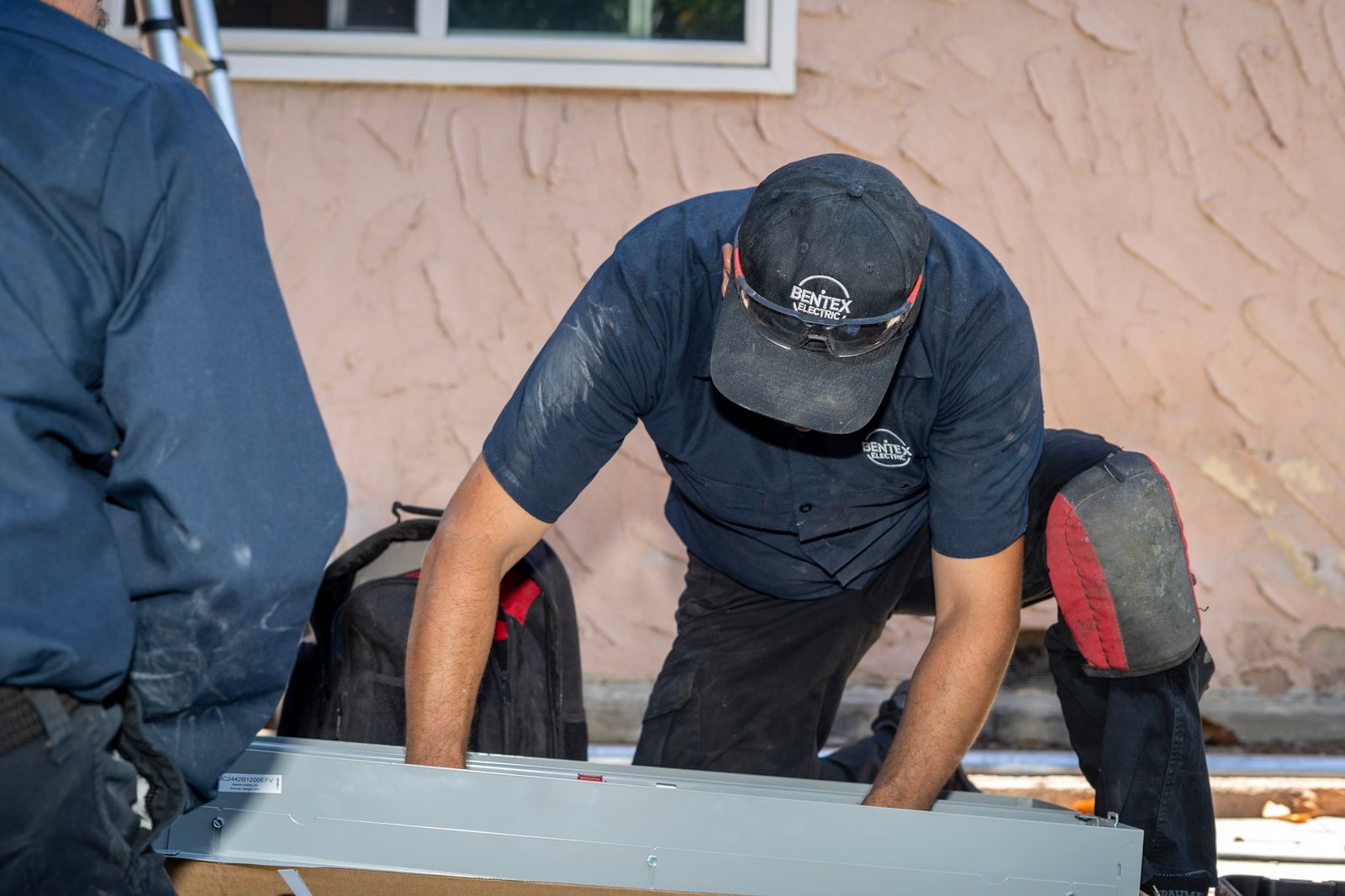
Mounting a dedicated home charging station is one of the most practical upgrades you can make after purchasing an electric vehicle. Charging right at home allows you to bypass high public charging rates and power your vehicle for a fraction of the price. However, understanding your total ev charger installation cost requires looking at both your property’s electrical setup and your overall charging goals. Across the United States, homeowners typically pay $800 to $3,000 for professional installation, depending on how simple or complex the job turns out to be.
While the upfront investment requires careful planning, setting up home charging significantly lowers the total cost of EV ownership over the life of your vehicle. The baseline electrical work and professional labor make up the primary portion of the price tag, while the charging station hardware itself generally adds an additional $300 to $800.
Key Takeaways
- Average Setup Costs: Expect professional installation services to fall between $800 and $3,000 for labor, wiring, and basic mounting (excluding hardware).
- Distance is Everything: The total linear feet of wiring required between your electrical breaker panel and your chosen charging location is usually the single largest pricing factor.
- Electrical Upgrades Add to the Total: Upgrading an older main electrical panel increases your upfront project costs, though many modern homes can avoid full panel replacements by using smart load management units.
What’s Included in a Standard Installation Quote?
When a licensed electrician provides a quote for installing your EV charger, that price tag reflects a comprehensive electrical service rather than a basic hardware placement.
Standard Installation Scope:
- Certified Professional Labor: Work completed by a licensed electrician who fully understands local building codes, municipal permit rules, and EV power requirements.
- Dedicated Wiring & Protective Conduit: Heavy-duty, code-compliant copper conductors paired with protective exterior or interior conduit to safely deliver high-amp power.
- Dedicated Circuit Breaker: Installation of a double-pole breaker specifically matched to your charger’s continuous amperage requirements.
- Connection Point Setup: Professional mounting of either a hardwired station or a dedicated 240-volt industrial-grade outlet (such as a NEMA 14-50 receptacle).
- System Testing & Inspection Prep: Post-installation voltage checks, ground testing, and verification that your system operates safely under full charging load.
- Workmanship Warranty: Coverage on labor and installation materials, typically extending for at least 12 months post-installation.
- Permitting Assistance: Pulling and processing required local municipal electrical permits (permit fees range from $50 to $500+ and are either itemized separately or bundled into your final bill).
Common Exclusions (Billed Separately):
- The EV Charger Hardware: The wallbox or smart charging unit itself ($300 to $800).
- Electrical Panel Upgrades: Capacity expansions or main service entry upgrades if your current electrical panel cannot handle the extra electrical draw.
- Heavy Site Alterations: Underground trenching through concrete or soil for detached garages, structural drilling, or extensive drywall cutting, repair, and painting.
Key Factors That Impact Your EV Charger Installation Cost
Because every home features a distinct architectural layout and electrical setup, installation estimates vary widely. Primary price drivers include:
1. Distance from Electrical Panel to Charger Location
The closer your charging spot is to your main breaker box, the lower your bill will be. A simple installation inside an attached garage directly next to your service panel requires minimal conduit and copper wire, keeping costs right near the lower baseline.
Conversely, routing heavy-gauge wiring across an attic, through tight crawlspaces, or along exterior walls to an outer parking pad demands significant manual labor and material. Standard estimates typically account for up to 50 feet of wiring; every foot beyond that increases your overall ev charger installation cost in terms of line item material and labor hours.
2. Main Electrical Panel Capacity
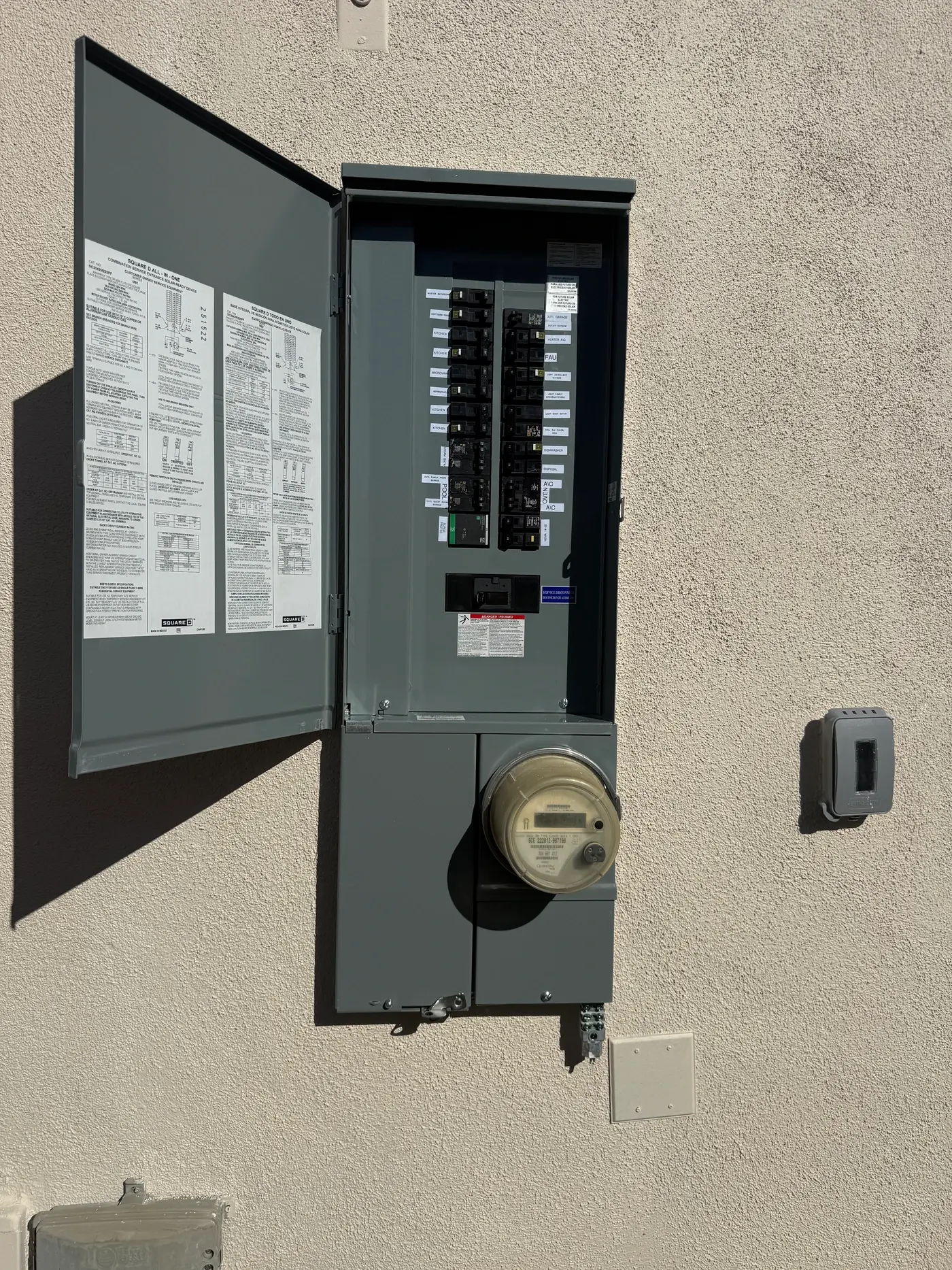
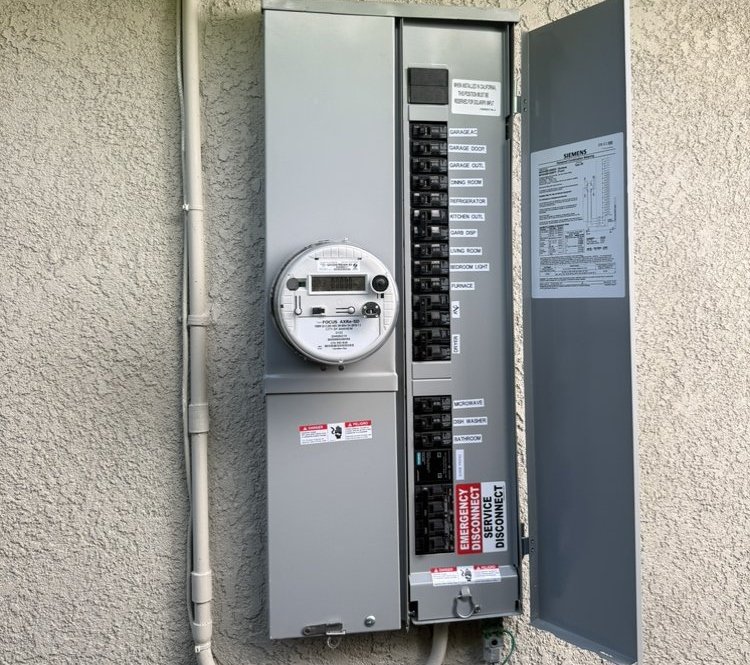
Modern Level 2 chargers pull continuous heavy loads (typically between 30 and 50 amps). Older homes equipped with 60-amp or 100-amp service panels may struggle to handle a dedicated EV circuit alongside central air conditioning, electric water heaters, and heavy household appliances.
An electrician will perform a load calculation to assess your system’s remaining headroom. If your panel lacks available capacity, you have three primary options:
- Add a Single Circuit Breaker ($75–$200): Feasible if your current panel has open breaker slots and sufficient spare overall amperage.
- Install an Electrical Sub-Panel ($500–$1,500): Ideal when your main panel has overall electrical capacity but physically lacks empty breaker slots, or when supplying power to a detached garage.
- Upgrade the Main Service Panel ($1,500–$4,000+): Necessary for older homes with constrained service (100 amps or lower) or for homeowners planning future home electrification projects like heat pumps or solar arrays.
(Note: Homes built with standard 200-amp service panels rarely require full main service upgrades for a single EV charger.)
3. Connection Style and Installation Complexity
You can choose between two primary installation methods:
- Plug-In (NEMA 14-50 Outlet): Offers portability so you can easily unplug or move the unit if you relocate. However, plug-in setups generally cap maximum continuous charging speeds at 40 amps (9.6 kW).
- Hardwired Station: Connects directly into your home’s electrical system without a plug interface. Hardwiring allows for higher continuous charging speeds (up to 48–80 amps) and often aligns better with utility rebate qualifications.
The labor cost differential between mounting a 240V outlet and hardwiring a wall station is minimal (usually $100 to $200). Beyond connection type, routing complexity—such as fishing lines behind finished drywall versus running conduit along exposed garage framing—remains a major labor multiplier.
4. Geographic Location & Regional Labor Rates
Labor rates, local permit structures, and regional material pricing impact final quotes. Urban metropolitan centers typically reflect higher hourly trade rates than rural markets or smaller communities.
Below is an overview of baseline installation cost averages across regions (excluding the cost of the charger unit):
| Region / State | Average Installation Cost (Excl. Hardware) |
| Pacific Coast (e.g., California, Washington, Oregon) | $1,800 – $2,600 |
| Mountain West (e.g., Arizona, Colorado, Utah) | $2,000 – $2,500 |
| Midwest (e.g., Illinois, Ohio, Michigan) | $2,100 – $2,800 |
| Northeast (e.g., New York, Massachusetts, Pennsylvania) | $2,600 – $3,000 |
| South / Southeast (e.g., Texas, Florida, Georgia) | $2,000 – $2,500 |
| National Average Range | $2,100 – $2,500 |
Practical Ways to Lower Your Installation Expenses
If you want to keep your installation budget under control, consider these practical cost-saving strategies:
Optimize Equipment Placement
Position your wallbox as close to your main electrical panel as structurally possible. If your garage connects directly to the home near the service entrance, mounting the charger on that shared interior wall minimizes conduit runs and labor hours.
Utilize Level 1 Charging as a Temporary Alternative
If a full electrical installation exceeds your immediate budget, you can temporarily rely on the Level 1 cord set included with most electric vehicles. Plugging into a standard, grounded 120V outlet adds roughly 3 to 5 miles of range per hour. While slow, it provides sufficient daily range replenishment for low-mileage drivers while you gather quotes or await localized utility incentives.
Claim Local Utility Rebates & Incentives
While specific federal tax credits shift over time, many local electric utilities offer substantial cash-back rebates for installing smart Level 2 chargers or upgrading service panels. Many power providers offer incentives in exchange for enrolling in Time-of-Use (TOU) rates or off-peak charging programs.
Obtain Multiple Detailed Quotes from Specialized Electricians
Request proposals from at least two to three licensed electrical contractors. Verify that candidate electricians have documented experience with EVSE (Electric Vehicle Supply Equipment) installations. An experienced installer will accurately assess panel loads, select correct wire gauges for continuous load safety, and help avoid unnecessary panel replacements through smart load-management solutions.