A breaker that trips once in a while is just doing its job. A breaker that keeps tripping is trying to tell you something is wrong.
Circuit breakers are safety devices. They shut off power when a circuit carries more current than it can safely handle, which prevents overheated wires and electrical fires. When the same breaker trips again and again, the cause is usually an overloaded circuit, a faulty appliance, or a wiring problem that needs attention.
In this guide, our Orange County electricians explain why your breaker keeps tripping, how to find the cause, what you can safely fix yourself, and when it is time to call a professional.
How a Circuit Breaker Works
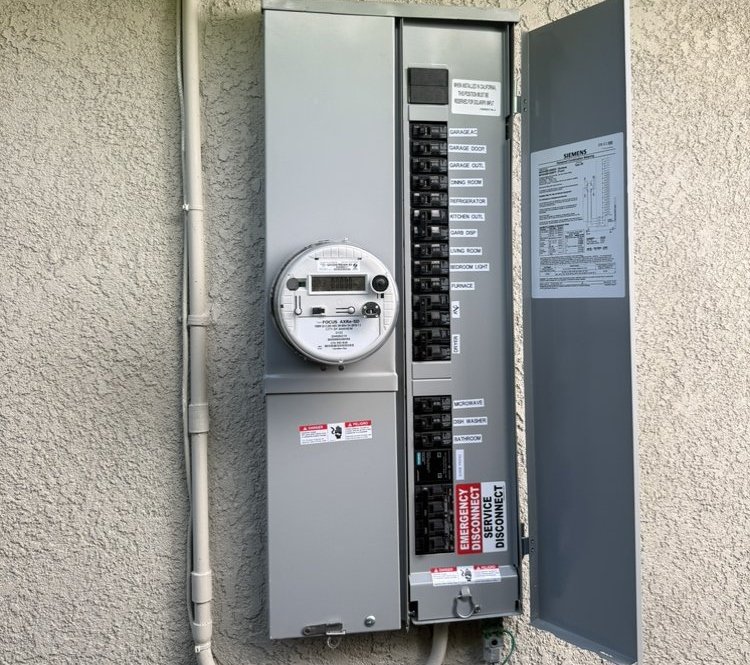
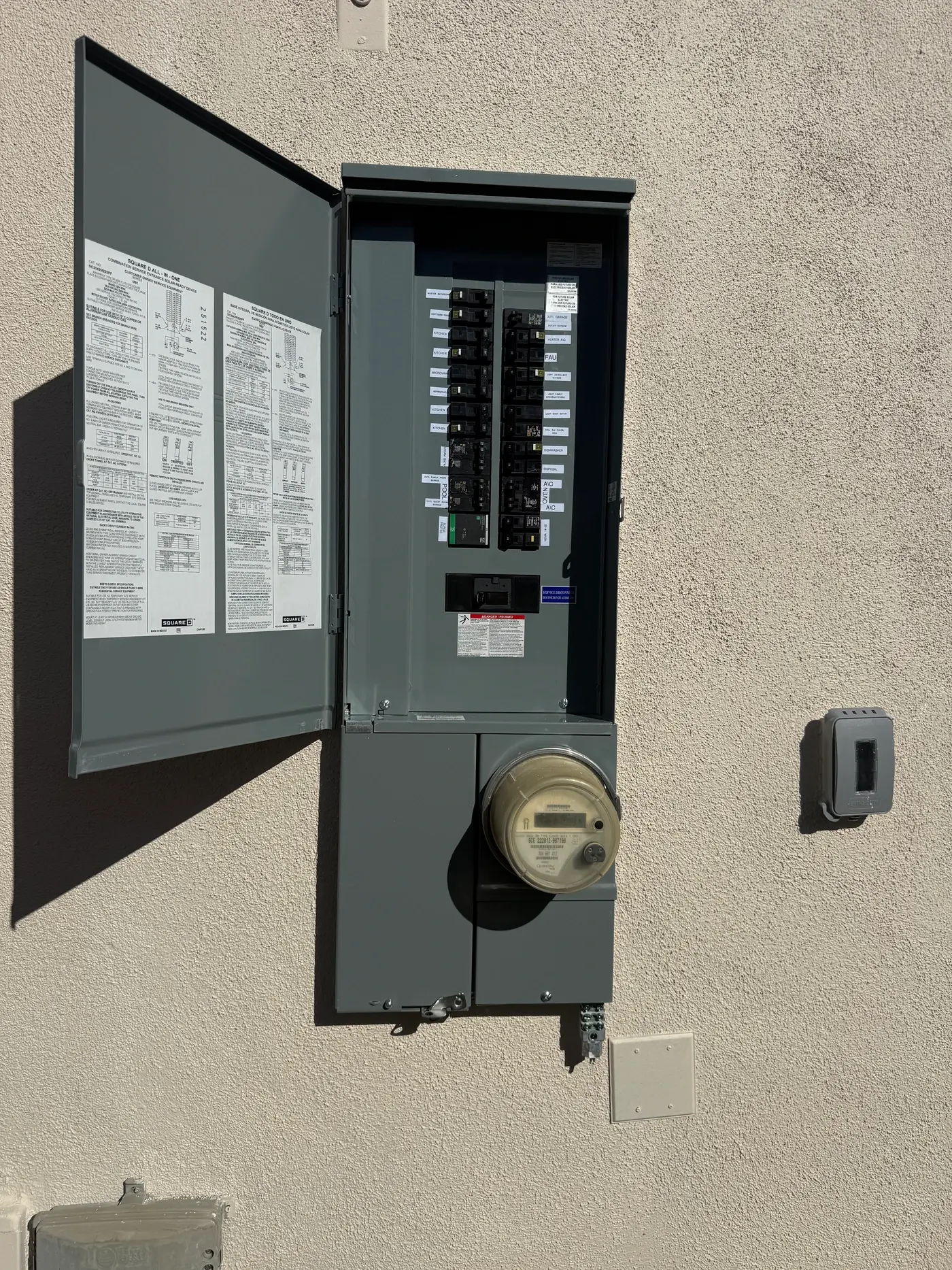
Every circuit in your home is rated for a specific amount of current, usually 15 or 20 amps for general outlets and lights, and 30 to 60 amps for large appliances. The breaker in your panel monitors that current.
If the current goes over the rating, or if electricity takes an unsafe path, the breaker’s internal switch flips to the “off” position and stops the flow. That is what “tripping” means. Without this protection, wires could overheat inside your walls.
Why Does My Breaker Keep Tripping? 6 Common Causes
Before you start troubleshooting, use this quick table to narrow down the likely cause.
| What you notice | Likely cause |
| Trips when several devices run at once | Circuit overload |
| Trips instantly when reset, with a pop or spark | Short circuit |
| Trips in a kitchen, bath, garage, or outdoors | Ground fault |
| Trips randomly in a bedroom or living area | Arc fault (AFCI breaker) |
| Trips every time one appliance runs | Faulty appliance |
| Trips with nothing plugged in, breaker is warm | Bad breaker or wiring |
1. Circuit Overload
This is the most common reason a breaker keeps tripping. It happens when you run more devices on one circuit than it can handle. A space heater, hair dryer, and vacuum running on the same 15-amp circuit can easily push it over the limit.
As a rule of thumb, electrical code limits continuous loads to 80 percent of a breaker’s rating. That means a 15-amp circuit should carry about 12 amps of steady load, and a 20-amp circuit about 16 amps.
How to fix it: Unplug some devices and move high-wattage appliances to a different circuit. If one room constantly overloads, a new dedicated circuit is the long-term solution.
2. Short Circuit
A short circuit occurs when a hot wire touches a neutral wire. This creates a sudden surge of current, and the breaker trips instantly. Short circuits can be caused by damaged cords, loose connections in outlets, or wiring chewed by rodents.
Warning signs: a burning smell, scorch marks on outlets or switch plates, or a pop when the breaker trips. These signs need professional attention right away.
3. Ground Fault
A ground fault happens when a hot wire touches a ground wire or a grounded surface, such as a metal box. Ground faults are especially dangerous in wet areas because water conducts electricity.
This is why kitchens, bathrooms, garages, laundry areas, and outdoor circuits use GFCI protection. If a GFCI breaker keeps tripping, moisture in an outdoor outlet or a failing appliance is often the cause. Our guide on GFCI outlets that are not working explains how to reset and test them.
4. Arc Fault
Arc fault circuit interrupter (AFCI) breakers are required in most living areas of newer California homes. They detect tiny sparks, called arcs, caused by damaged wires, loose connections, or worn cords.
If an arc fault breaker keeps tripping, the cause could be a real wiring problem or a device that creates electrical noise, like some vacuum cleaners and treadmills. Because AFCI trips can signal hidden fire risks, they should never be ignored.
5. A Faulty Appliance
Sometimes the circuit is fine, and the appliance is the problem. A worn motor, damaged heating element, or internal short can trip a breaker every time the appliance turns on.
These appliances are the most common culprits:
- AC breaker keeps tripping: Often caused by a dirty air filter, a failing capacitor, a dirty condenser coil, or a compressor problem. Turn the AC off and call an HVAC technician if it continues.
- Microwave keeps tripping breaker: Microwaves draw a lot of power. Sharing a circuit with a toaster or coffee maker is a common cause. A failing door switch or magnetron can also be to blame.
- Dryer keeps tripping breaker: Look for a clogged lint vent, a worn heating element, or a damaged power cord.
- Water heater keeps tripping breaker: An electric water heater with a shorted element or faulty thermostat can trip its 30-amp breaker.
How to test: Unplug the appliance and reset the breaker. Then plug the appliance into a different circuit. If it trips that breaker too, the appliance is the problem.
6. A Worn-Out Breaker or Panel
Breakers do not last forever. Over time, the internal parts weaken, and a breaker can begin tripping under normal loads. A breaker that feels hot, buzzes, or will not stay reset may need replacement.
In some cases, the issue is the panel itself. Older panels may have loose bus connections, corrosion, or breakers known to fail. Learn the signs in our guide to 7 warning signs your electrical panel is outdated.
Why Does My Breaker Keep Tripping With Nothing Plugged In?
This is a strong sign of a problem inside the walls, not with your devices. The most common causes are a short or ground fault in the wiring, a damaged outlet or switch, water getting into a junction box, or a failing breaker.
Do not keep resetting a breaker that trips with nothing connected. Leave it off and call a licensed electrician to trace the circuit.
How to Reset a Tripped Breaker Safely
Resetting a breaker is simple, but doing it the right way matters.
- Turn off or unplug everything on the affected circuit.
- Open your electrical panel and find the breaker sitting in the middle or “off” position.
- Push the breaker firmly to “off” first. It will not reset if you skip this step.
- Flip it back to “on.”
- Plug devices back in one at a time to see which one causes the trip.
If you see scorch marks, smell burning, or hear buzzing from the panel, do not reset the breaker. Keep the panel closed and call an electrician.
Is It Dangerous if a Circuit Breaker Keeps Tripping?
The trip itself is not dangerous. It means the breaker is protecting your home. What is dangerous is ignoring the cause, or trying to stop the trips by installing a larger breaker.
Never replace a 15-amp breaker with a 20-amp one to stop nuisance trips. The wire on that circuit is sized for the original breaker. A larger breaker allows the wire to overheat, which is a leading cause of electrical fires.
Call a professional immediately if you notice:
- Burning smells from outlets, switches, or the panel
- Scorch marks, melted plastic, or sparks
- A breaker that trips instantly every time
- Breakers that feel hot to the touch
- Frequent trips across several different circuits
When Your Home Simply Needs More Power
If breakers trip often across your home, your electrical system may not be able to keep up with modern demand. This is common in older Orange County homes with 100-amp or 125-amp panels that now power central AC, induction cooking, home offices, and EV chargers.
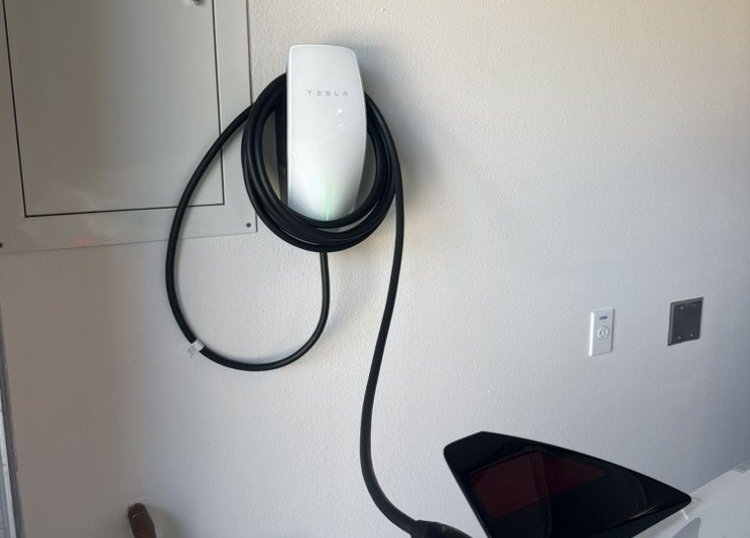
A panel upgrade adds capacity and gives you room for new circuits. Check our guide on how to determine your electrical panel size to see where you stand. If you are adding an EV, read can my electrical panel handle an EV charger before you install.
How Much Does It Cost to Fix a Breaker That Keeps Tripping?
Repair costs depend on the cause. These approximate ranges cover the most common fixes:
| Repair | Typical cost |
| Electrician diagnostic visit | $100 – $250 |
| Replace a standard breaker | $150 – $350 |
| Replace an AFCI or GFCI breaker | $200 – $450 |
| Add a new dedicated circuit | $300 – $1,000 |
| Repair damaged wiring | $250 – $1,500+ |
| Electrical panel upgrade | $2,500 – $6,000+ |
For details on larger projects, see how much it costs to upgrade an electrical panel.
How to Prevent Breakers From Tripping
A few habits reduce nuisance trips and keep your system safe. Spread high-wattage appliances across different circuits, especially in kitchens and bathrooms. Avoid running space heaters on circuits shared with other heavy loads. Replace damaged cords and loose outlets as soon as you notice them. Finally, add dedicated circuits for appliances like microwaves, freezers, and EV chargers.
A whole house surge protector will not stop overload trips, but it does protect appliances and breakers from surge damage that can lead to failures over time.
Frequently Asked Questions
How many times can a breaker trip before it needs replacing? There is no set number, but repeated trips wear breakers out. If a breaker trips under normal loads, feels warm, or will not stay on, have it inspected.
Can a bad breaker trip for no reason? Yes. Worn breakers can trip below their rated load. An electrician can test it to confirm.
Why does my breaker trip when it rains? Moisture is likely getting into an outdoor outlet, light fixture, or junction box and causing a ground fault.
Is it safe to keep resetting a breaker? Resetting once or twice while you find the cause is fine. Repeatedly resetting a breaker that trips right away is not safe.
Can I replace a breaker myself? We do not recommend it. Working inside a live panel carries a serious risk of shock and fire.
Get Your Breaker Problem Solved
A breaker that keeps tripping is a warning, not just an inconvenience. Start with the simple checks: unplug devices, spread out the load, and test appliances on other circuits. If the problem continues or you notice burning smells or heat, stop and call a professional.
Benitex Electric diagnoses and fixes tripping breakers, faulty wiring, and overloaded panels for homeowners in Irvine and across Orange County. From breaker replacements and new circuits to electrical panel upgrades and home rewiring, our licensed electricians find the real cause. Contact us today to schedule an inspection.