When the power goes out in Orange County, it is rarely just a storm. Southern California Edison’s Public Safety Power Shutoffs can leave entire neighborhoods dark for a day or longer during fire season. Add heat waves and grid strain, and more homeowners are asking the same question: how much does a whole house generator cost?
In 2026, most homeowners pay between $10,000 and $20,000 for a fully installed whole house standby generator. Smaller systems can come in under $8,000, while large homes may spend $25,000 or more.
This guide breaks down every part of that price, from the generator itself to the transfer switch, gas line, permits, and labor, so you can plan your budget with confidence.
Why Orange County Homeowners Are Investing in Backup Power
A few years ago, a home generator was a luxury. Today, it is becoming a practical part of owning a home in Southern California.
Planned shutoffs during high-wind events are the biggest driver. When SCE cuts power to reduce wildfire risk, outages can last from several hours to several days. For families who work from home, rely on medical equipment, keep a full freezer, or need air conditioning during a heat wave, that downtime is costly.
Modern homes also depend on electricity for more than ever before. Security systems, internet, refrigeration, well pumps, sump pumps, and even EV charging all stop when the grid goes down.
Average Whole House Generator Cost at a Glance
The size of the generator, measured in kilowatts (kW), is the biggest factor in price. Here are typical installed costs for home standby generators.
| Generator size | Typical home coverage | Unit cost | Installed cost |
| 10–14 kW | Essential circuits only | $3,000 – $5,000 | $8,000 – $12,000 |
| 16–20 kW | Most of a 2,000–3,000 sq ft home | $4,500 – $6,500 | $10,000 – $16,000 |
| 22–26 kW | Whole home, including central AC | $5,500 – $8,000 | $12,000 – $20,000 |
| 30–48 kW | Large homes with heavy loads | $10,000 – $18,000 | $18,000 – $30,000+ |
Not sure which size fits your home? Our guide on what size generator you need for your house walks through the calculation step by step.
Generac Generator Cost
Generac is the most popular home standby generator brand in the United States, so it is no surprise that “how much does a Generac generator cost” is one of the most common questions we hear.
The Generac Guardian series is the brand’s main residential line. Here is what to expect for Generac generator cost, including installation:
- Generac 10–14 kW: About $8,000 to $12,000 installed
- Generac 18–22 kW: About $11,000 to $16,000 installed
- Generac 24–26 kW: About $13,000 to $19,000 installed
Other reputable brands include Kohler, Briggs & Stratton, and Champion. Prices are broadly similar for comparable sizes. The right choice depends on your home’s load, warranty preferences, and local service availability.
What’s Included in Whole House Generator Installation Cost?
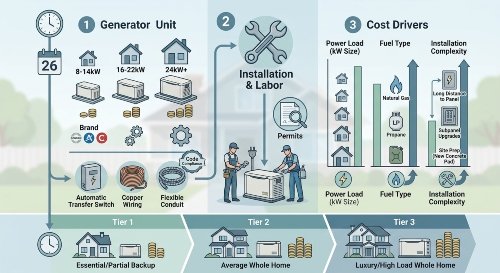
The generator itself is usually only 35 to 50 percent of the total project. The rest comes from installation components that many online price lists leave out.
1. Automatic Transfer Switch: $800 – $2,500
An automatic transfer switch (ATS) is required for a standby generator. It senses when utility power fails, starts the generator, and switches your home to generator power within seconds. When grid power returns, it switches back automatically. Some generators include a transfer switch in the package price.
2. Electrical Work and Labor: $1,500 – $4,000
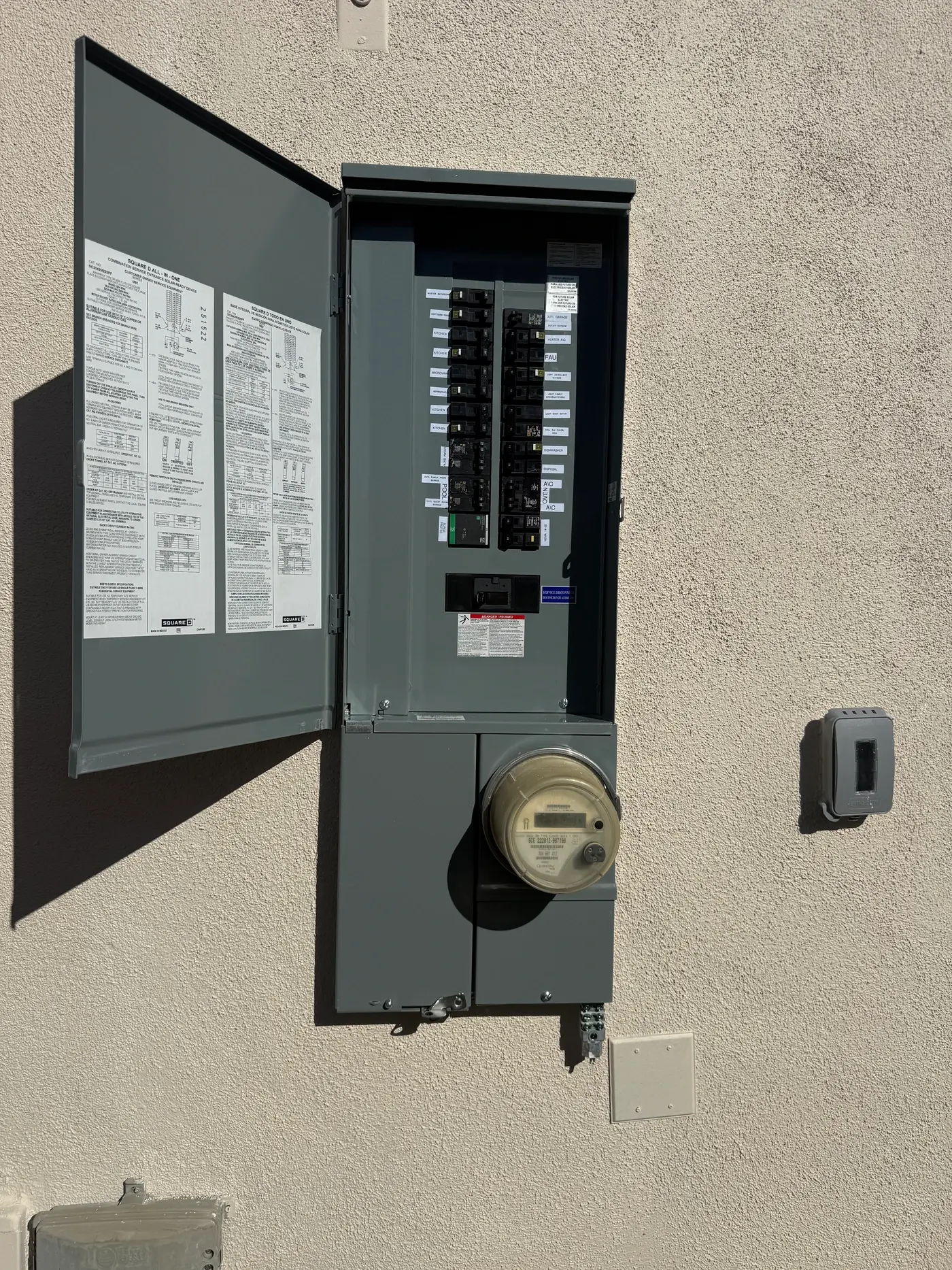
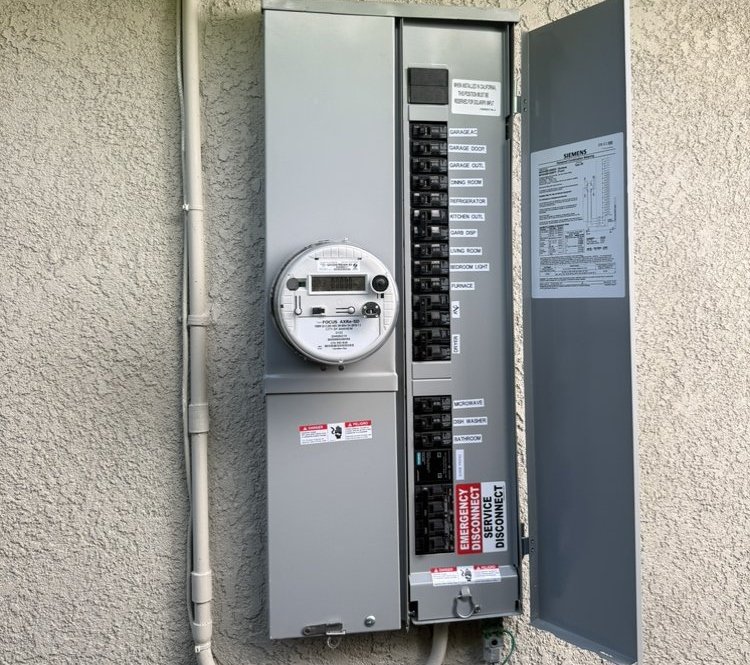
An electrician connects the generator to the transfer switch and your main panel. If your panel is outdated or lacks capacity, an upgrade may be needed first. Our guide on 7 warning signs your electrical panel is outdated can help you spot problems early, and our team handles electrical panel upgrades when they are needed.
3. Gas Line Installation: $500 – $2,500
Most Orange County standby generators run on natural gas. A plumber or gas contractor runs a line from your meter to the generator. Longer runs cost more. In some homes, the gas meter must be upsized by the utility to handle the extra demand, which can add time and cost.
4. Concrete or Composite Pad: $150 – $600
The generator must sit on a level, stable base. Many units ship with a composite pad, while others need a poured concrete slab.
5. Permits and Inspections: $200 – $800
Generator installation in Orange County requires electrical and often mechanical or gas permits from your city. Some cities also review noise and placement. Our article on getting an electrical permit in Orange County explains how the local permit process works.
6. HOA Approval
In Irvine, Mission Viejo, and many other planned communities, your HOA may need to approve the generator’s location, appearance, and noise level before installation. Plan for this step early.
Hidden Costs to Watch For
A low quote can grow quickly if these items are not included. Ask about each one before you sign:
- Panel upgrade or subpanel installation
- Gas meter upgrade
- Long trenching distances for gas or electrical lines
- Landscaping repair after installation
- Annual maintenance plans, typically $200 to $500 per year
- Extended warranties
Whole House Generator Cost vs. Portable Generator Setup
Not every home needs a full standby system. A portable generator connected through a manual transfer switch or interlock kit is a lower-cost alternative.
| Factor | Whole house standby generator | Portable generator + interlock |
| Typical installed cost | $10,000 – $20,000 | $1,500 – $4,500 |
| Starts automatically | Yes | No, manual start |
| Fuel | Natural gas or propane | Gasoline, propane, or dual fuel |
| Powers whole home | Yes, with correct sizing | Selected circuits only |
| Refueling needed | No | Yes, every several hours |
| Noise | Moderate, enclosed | Louder |
A portable setup works well for homeowners who want to keep a refrigerator, lights, internet, and a few outlets running. A standby generator is better for full comfort, medical needs, or homes where nobody is around to start a generator manually.
Generator vs. Home Battery Backup
Many Orange County homes already have solar panels, which makes battery backup an attractive alternative. Systems like the Tesla Powerwall and EcoFlow store energy and switch on automatically during an outage.
Batteries are silent, produce no emissions, and can recharge from solar during multi-day outages. They usually cost more per hour of backup and may not run central AC for long. Generators provide unlimited runtime as long as the gas supply holds.
Some homeowners combine both, or pair a battery with a smart panel that prioritizes essential circuits. Our electricians can help you compare options based on your home’s loads.
How to Save Money on a Whole House Generator
A few planning steps can lower your total cost:
- Size it correctly. An oversized generator costs more to buy and run. A load calculation prevents this.
- Use load management. Smart load-shedding modules let a smaller generator power a larger home by cycling heavy appliances.
- Install before an emergency. Demand spikes before fire season, and rushed installs often cost more.
- Bundle electrical work. If you need a panel upgrade or a whole house surge protector, doing it at the same time saves labor.
- Get itemized quotes. Compare quotes line by line, not just by the final total.
The Installation Process: What to Expect
A typical standby generator project follows this timeline:
- Site visit and load calculation
- Quote, permit applications, and HOA approval (1 to 4 weeks)
- Pad placement and gas line installation
- Generator setting and electrical connection (usually 1 to 2 days)
- City inspection
- Startup, testing, and homeowner walkthrough
From first visit to final inspection, most projects take 3 to 8 weeks, depending on permit timelines and equipment availability.
Frequently Asked Questions
How much does a whole house generator cost installed? Most homeowners pay $10,000 to $20,000 for a whole house generator, fully installed. The final price depends on size, brand, fuel, and how much electrical and gas work is required.
How long do whole house generators last? With regular maintenance, a standby generator typically lasts 20 to 30 years or about 10,000 to 30,000 running hours.
Does a whole house generator add value to a home? It can. Backup power is an appealing feature for buyers in areas with frequent outages, though the exact return varies by market.
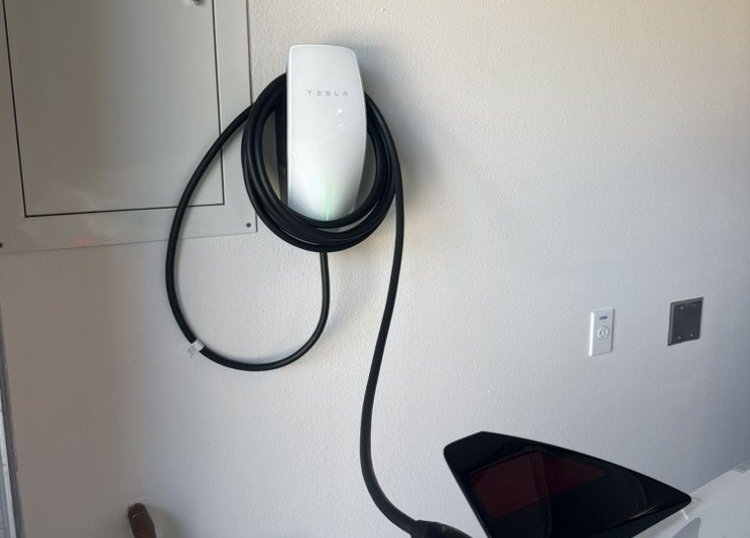
Can a generator power my EV charger? A properly sized generator can, but EV charging draws a lot of power. Most homeowners skip EV charging during outages or use load management. See our guide on how many amps you need for home EV charging.
Do I need a permit for a home generator in Orange County? Yes. Standby generators require permits and inspections in Orange County cities.
Get a Clear Generator Quote From Benitex Electric
The true whole house generator cost depends on your home’s size, electrical loads, and installation conditions. The best way to know your number is a professional assessment.
Benitex Electric helps homeowners across Orange County plan backup power the right way, from load calculations and panel upgrades to transfer switch wiring and final inspection. See our electrical services, or request a free estimate and we will help you choose a system that keeps your home running when the grid does not.