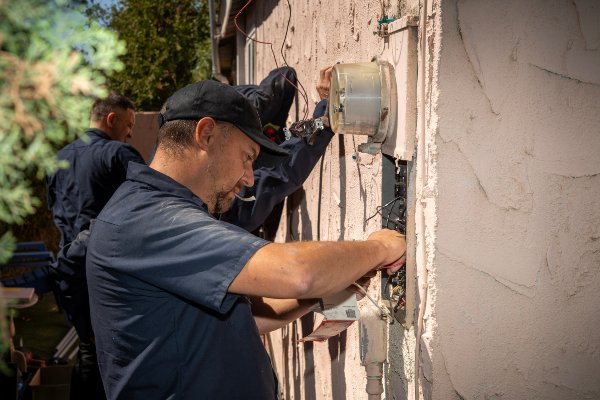
In 2026, the total cost to install a Level 2 home EV charger typically ranges from $1,000 to $3,500.This total includes $400 to $800 for the wall-connector equipment and $600 to $2,700 for licensed electrician labor, materials, permitting, and grid-connection setup.
However, your final out-of-pocket price depends heavily on your home’s existing electrical infrastructure. While a simple installation near an updated breaker box can cost as little as $700, a complex installation requiring main service panel upgrades, trenching, or intelligent load-management systems can drive costs past $4,500.
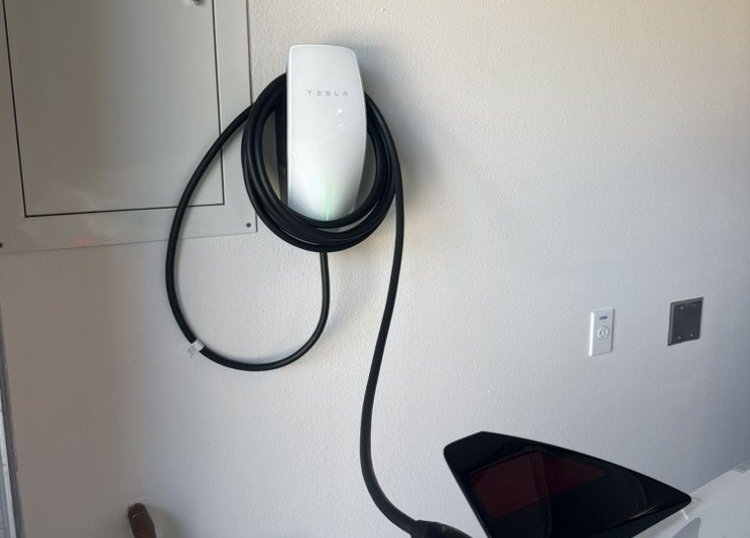
- Level 2 Wall Connector
- Wi-Fi & Smart Load Software
- NACS / J1772 Cable & Plug
- Licensed Electrician Labor
- Copper Wiring & Conduit
- Permits & Load Calculation
Complete EV Charger Installation Cost Breakdown
To estimate your true upfront cost, split the installation into hardware purchases and electrical labor fees.
| Cost Component | Typical Price Range | Key Variables |
| Level 2 Charger Hardware | $400 – $800 | Amperage (32A to 48A), cable length, NACS vs. J1772, Wi-Fi connectivity. |
| Licensed Electrician Labor | $300 – $1,200 | Hourly rates ($80–$150/hr), job complexity, structural challenges. |
| Electrical Permit & Inspection | $50 – $350 | Municipal code requirements and local utility compliance rules. |
| Dedicated Breaker & Wiring | $150 – $400 | Heavy-gauge copper wire (6 AWG / 4 AWG), THHN/THWN conduit, 50A/60A double-pole breaker. |
| Subtotal (Standard Installation) | $900 – $2,750 | Assumes existing 200-amp service panel near installation point. |
Key Factors Influencing Home Charging Costs
No two electrical systems are identical. Four main structural variables determine whether your installation stays near the national baseline or requires additional electrical work.
- 100A vs. 200A Service
- Upgrade Required?
- Short Run (<10 ft) vs. Long Run (>50 ft)
- Heavy-Gauge Copper Wire Costs
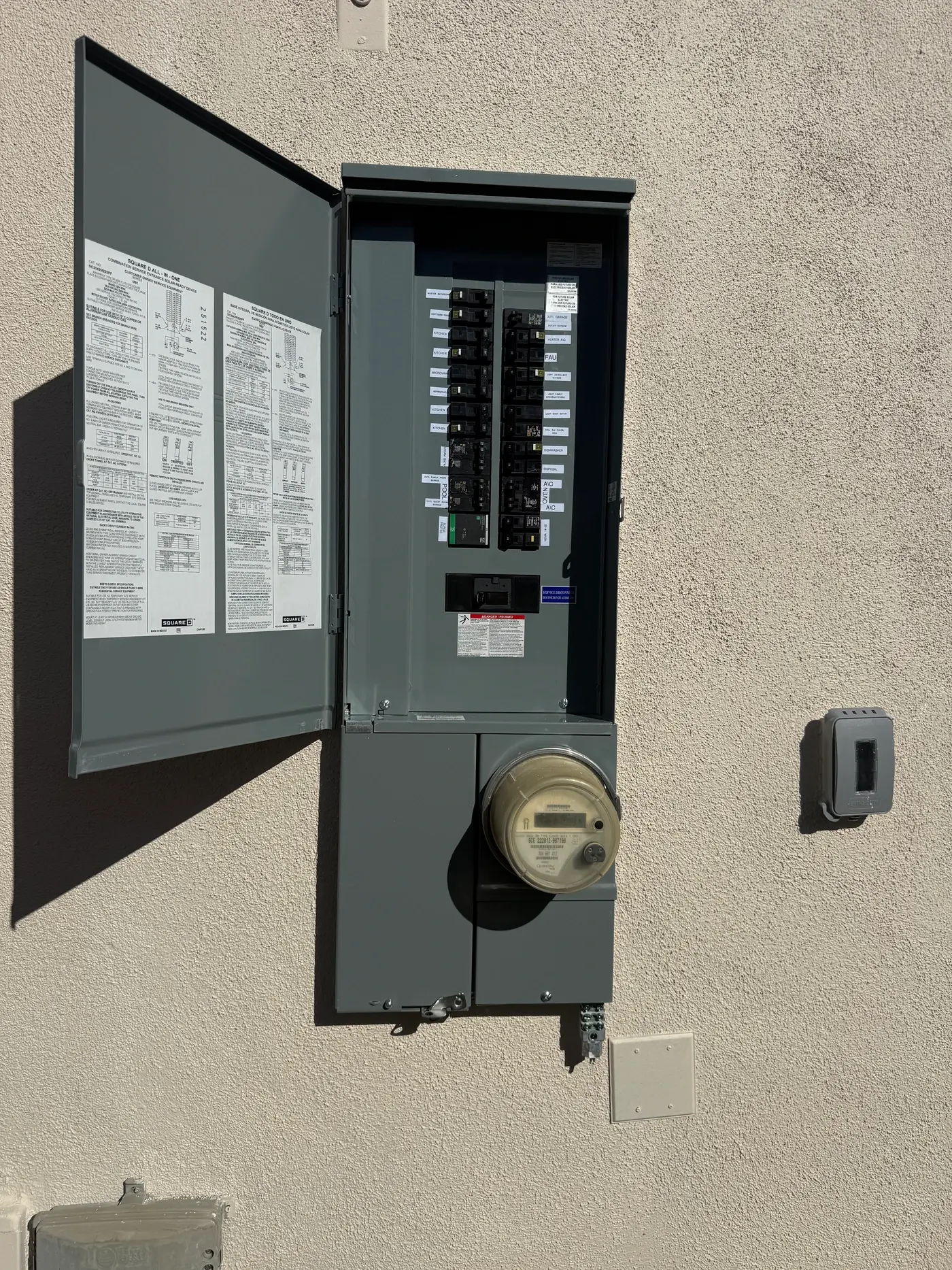
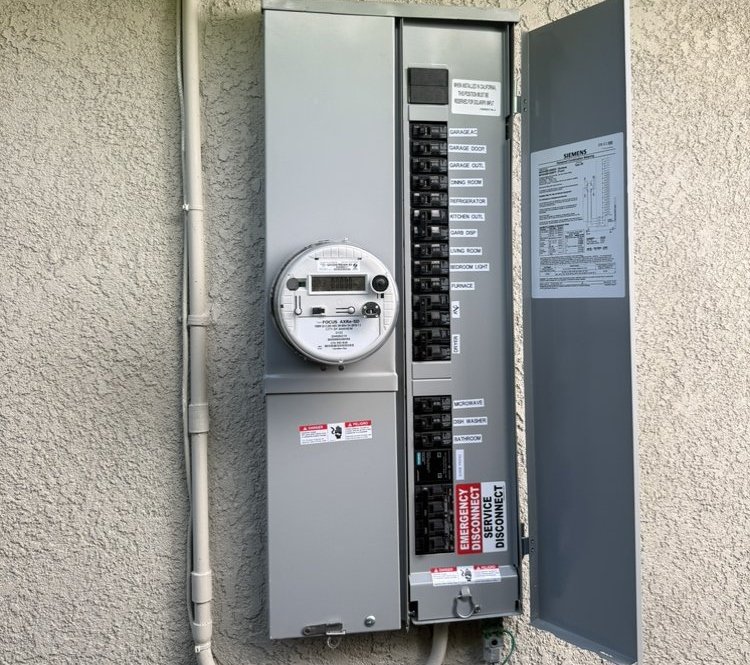
1. Electrical Panel Capacity & Amp Load
Most Level 2 chargers draw between 32 and 48 continuous amps, requiring a dedicated 40-amp to 60-amp double-pole breaker. If your home has an older 100-amp service panel, it may lack the thermal capacity to support a high-draw EV charger alongside central AC, electric water heaters, and clothes dryers.
- Electrical Panel Upgrade (100A to 200A): Costs $1,500 to $3,500.
- Smart Energy Management System (DCC / Smart Splitter): Costs $300 to $600. This device automatically pauses EV charging when major appliances run, avoiding the need for an expensive panel replacement.
2. Distance from Main Breaker Panel to Charging Location
Copper wiring (typically 6 AWG or 4 AWG THHN/THWN for 50A/60A circuits) represents a significant material expense.
- Short Runs (Under 15 feet in garage): $150 to $300 in materials.
- Long Runs (50+ feet through finished walls or attics): Adds $400 to $1,000+ in labor and thick copper wire.
3. Detached Garage & Underground Trenching
Installing a charger in an outdoor parking spot or detached garage requires underground conduit. Electricians must dig a 18-to-24-inch deep trench to comply with the National Electrical Code (NEC).
- Trenching Costs: Adds $500 to $2,000, depending on whether labor involves dirt, concrete cutting, or repaving.
4. Hardwired vs. Plug-In (NEMA 14-50 Outlet) Installation
You can plug your charger into a 240V NEMA 14-50 receptacle or hardwire it directly into a junction box.
- Hardwired Connections (Recommended): Delivers full 48-amp charging speed (11.5 kW), resists weather elements better, and avoids GFCI breaker trips.
- Plug-In (NEMA 14-50 Receptacle): Capped at 40 amps (9.6 kW) due to continuous load rules. Receptacles require a commercial-grade outlet (like Hubbell or Bryant) to handle high heat safely, plus an expensive GFCI breaker, adding $150 to $250 to overall material costs.
Level 1 vs. Level 2 vs. Level 3 Charging Costs
Understanding power levels helps avoid over-engineering your residential setup.
| Specification | Level 1 (Standard Wall Plug) | Level 2 (240V Home Station) | Level 3 (DC Fast Charging) |
| Voltage / Amperage | 120V / 12A–16A | 240V / 16A–48A | 480V+ / 100A–500A |
| Charging Speed | 3 to 5 miles per hour | 25 to 44 miles per hour | 180 to 240 miles per 20 mins |
| Full Charge Time (60 kWh) | 40 to 50 hours | 6 to 9 hours | 20 to 30 minutes |
| Equipment Cost | $0 (Included with vehicle) | $400 – $800 | $20,000 – $100,000+ |
| Installation Cost | $0 | $600 – $2,700 | $50,000 – $150,000+ (Commercial only) |
2026 Tax Credits, Rebates, and Incentives
Installing your home charger correctly lets you offset upfront costs with federal, state, and utility programs.
- Federal Section 30C Tax Credit: Homeowners in eligible census tracts (low-income or non-urban areas) can claim a 30% tax credit up to $1,000 for hardware and installation expenses.
- Local Utility Rebates: Many electric power companies offer $200 to $1,000 instant rebates for smart, Wi-Fi-enabled Level 2 wall connectors that support off-peak charging schedules.
- Time-of-Use (TOU) Rates: Scheduling your charger to run overnight (between 11 PM and 6 AM) can lower charging costs to roughly 4 to 6 cents per mile.
DIY vs. Professional Installation
Installing a Level 2 charger involves continuous high-voltage loads (240 volts at up to 60 amps continuous).
Attempting a DIY installation using cheap off-the-shelf outlets or under-sized wiring introduces real safety hazards. Loose connections under continuous thermal stress can melt receptacles, trip breakers, or create fire risks. Working with licensed electricians ensures your installation includes correct load calculations, proper torque settings, code-compliant permitting, and protection for your home’s insurance policy.
How to Reduce EV Charger Installation Expenses
- Mount Near Your Main Panel: Placing your EV charger within 5 to 10 feet of your electrical breaker box minimizes expensive copper cable runs.
- Choose Hardwiring Over Outlets: Hardwiring saves $100+ on a commercial-grade NEMA receptacle and eliminates the need for an expensive GFCI breaker.
- Use a Smart Energy Splitter: If your 100A panel is near capacity, install a dynamic load-management device instead of replacing the entire main panel.
- Claim Utility Rebates Early: Check your power company’s pre-approved hardware list before buying equipment to qualify for local rebates.
Get a Safe, Code-Compliant Charger Installation
Upgrading your EV charger shouldn’t involve hidden costs, unsafe wiring, or permit headaches. At Benitex Electric, we specialize in custom Level 2 home charging setups, panel load calculations, and helping homeowners claim available federal and utility incentives.
- 100% Licensed & Insured Electricians
- Upfront, Transparent Pricing
- Permit Handling & Safety Guarantee
Schedule Your On-Site Assessment Today
Frequently Asked Questions
How much does it cost to install a Level 2 EV charger at home?
Installing a Level 2 home EV charger typically costs $1,000 to $3,500 total.This covers $400 to $800 for the charging station equipment and $600 to $2,700 for electrical labor, wiring, permitting, and panel installation.
Can I install a Level 2 EV charger on a 100-amp electrical panel?
Yes, but it depends on your home’s total electrical load. If your existing appliances draw close to 100 amps, you must either upgrade to a 200-amp panel ($1,500–$3,500) or install a smart load-management splitter ($300–$600) to prevent circuit overloads.
Is it cheaper to hardwire an EV charger or plug it into a 240V outlet?
Hardwiring is generally cheaper and more reliable. Hardwiring avoids buying a commercial-grade 240V NEMA 14-50 receptacle ($50–$100) and a specialized GFCI circuit breaker ($80–$150), while supporting faster 48-amp charging speeds.
Do I need a permit to install an EV charger at home?
Yes. Almost all municipalities and building departments require an electrical permit and inspection for new 240V dedicated circuits. Permit fees usually range between $50 and $350.
Does an EV charger add value to a home?
Yes. Studies show that homes equipped with Level 2 EV charging infrastructure sell faster and command a premium among modern homebuyers, making it a valuable property upgrade.