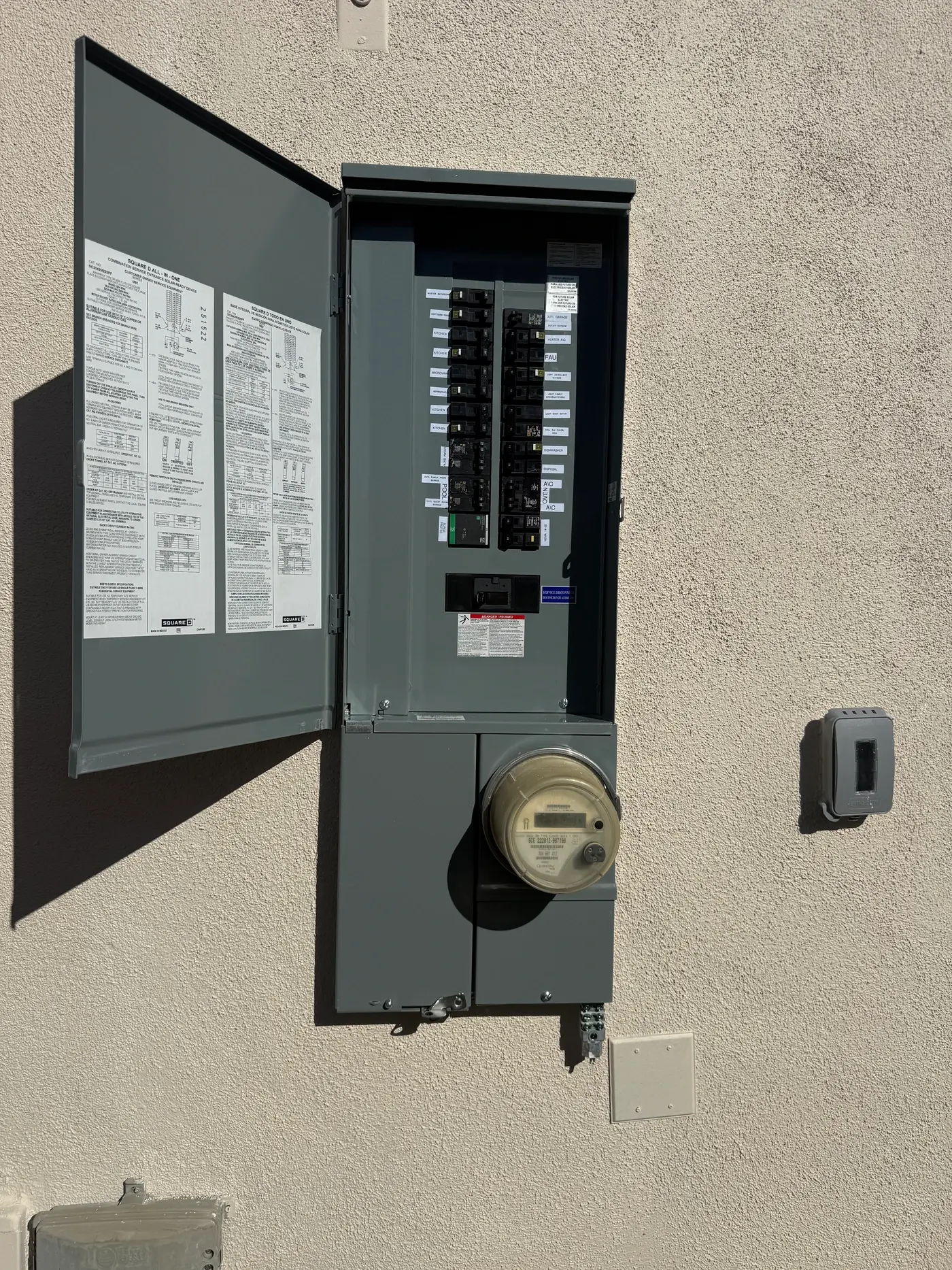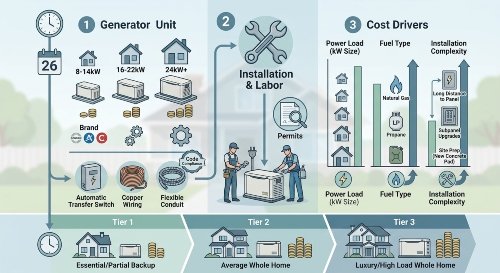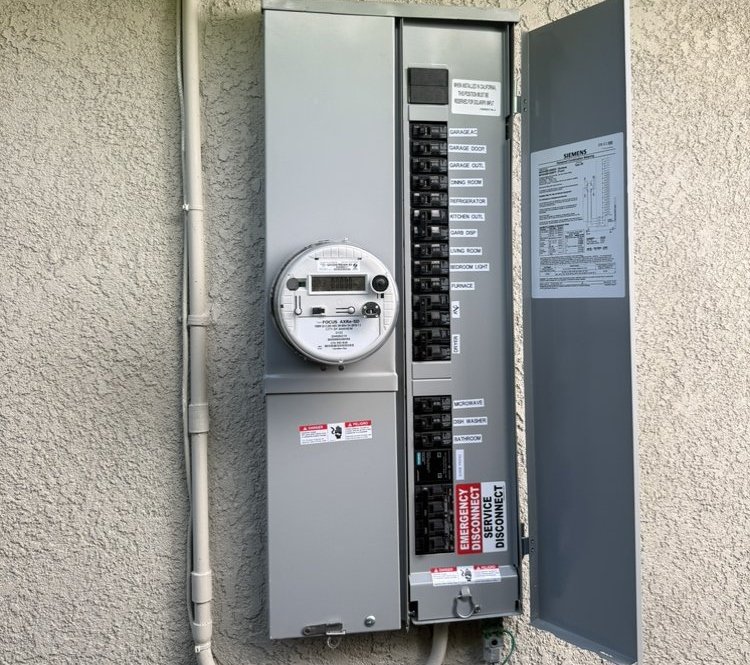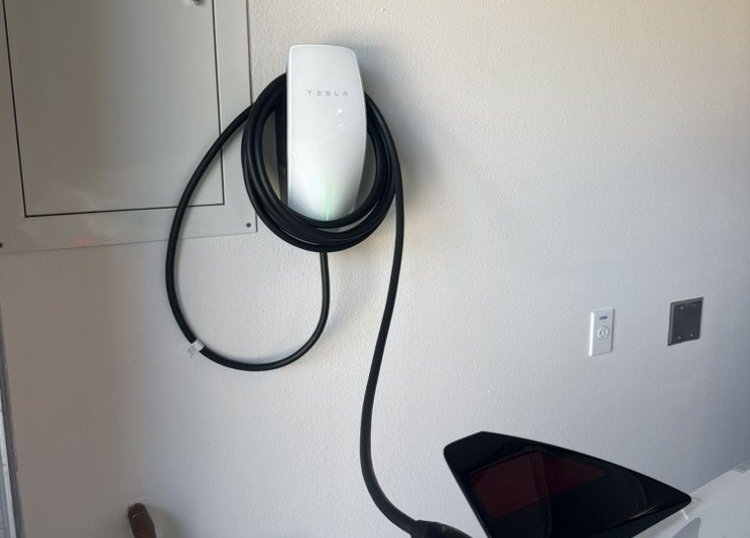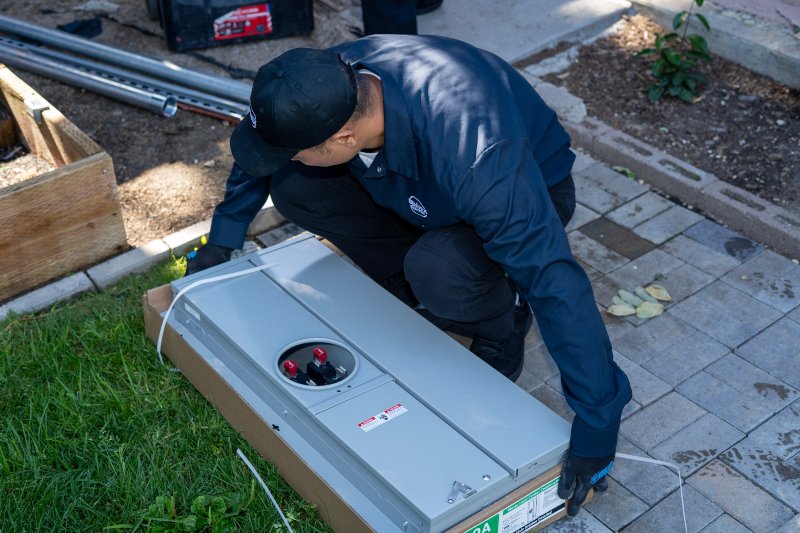
Your electrical panel is the central heartbeat of your home’s power distribution system. It takes high-voltage electricity supplied by your local utility provider and distributes it safely through individual branch circuits to run your lighting, kitchen appliances, HVAC systems, and entertainment units.
However, residential energy demands have shifted dramatically over the last decade. Homes built 20 to 50 years ago were designed to handle modest electrical loads—typically 60 to 100 amperes. Today, with the rapid adoption of Level 2 EV chargers, heat pump HVAC conversions, induction cooktops, and smart home ecosystems, aging panels are routinely pushed past their safe operational capacity.
What Is an Electrical Panel Upgrade?
An electrical panel upgrade involves replacing your home’s existing service distribution box, main circuit breaker, and internal busbars with modern, higher-capacity equipment. In many cases, a panel upgrade also includes updating the service entrance conductors, the outdoor meter socket, and the grounding electrode system to meet current National Electrical Code (NEC) standards.
200A Busbars • AFCI/GFCI
• Heat Pump HVAC — 240V / 40A
• Induction Cooktop — 240V / 40A
• 120V Outlets & Lighting
Ground Rods & Water Pipe Bonding
During a panel upgrade, a licensed electrician replaces worn or undersized busbars, expands the available breaker slots, and resolves critical ground-fault and arc-fault protection gaps.
When Should You Upgrade Your Electrical Panel? (Warning Signs & Triggers)
Knowing precisely when to upgrade your electrical breaker box prevents catastrophic equipment failure, fire hazards, and unexpected power outages.
Critical Safety Signs You Need an Immediate Upgrade
- Flickering or Dimming Lights: Occurs when major appliances like an air conditioner compressor or clothes dryer kick on, signaling voltage drops caused by undersized branch circuits or overloading.
- Warm or Discolored Panel Cover: Touch the dead-front panel cover. If it feels warm or shows scorch marks and corrosion, high-resistance connections are generating hazardous heat.
- Persistent Breaker Tripping: Thermal-magnetic circuit breakers trip when current draw exceeds their rated ampacity. Frequent trips mean your home is consistently demanding more power than the panel can safely deliver.
- Buzzing, Hissing, or Burning Smells:A sharp, ozone-like or plastic burning smell indicates active arcing or melting wire insulation inside the enclosure.
- Obsolete Fuse Boxes or Dangerous Panel Brands: Screw-in fuse boxes topped out at 30 to 60 amps and lack modern arc-fault mitigation. Certain legacy panels (such as Federal Pacific Electric Stab-Lok, Zinsco, or Sylvania boards) feature well-documented design flaws where breakers fail to trip during an overload, creating extreme fire risks.
Modern Functional Triggers
Even without visible safety hazards, specific home additions require a panel replacement:
- Installing a dedicated 240V circuit for a Level 2 EV charger (which demands 30A to 50A of continuous load).
- Converting gas furnaces and water heaters to electric heat pumps.
- Adding a hot tub, sauna, or swimming pool pump.
- Upgrading to an all-electric induction range.
- Finishing a basement, building an ADU (Accessory Dwelling Unit), or completing a major home addition.
Why Upgrade? The Key Benefits of Modernizing Your Load Center
Upgrading your load center is an investment in residential infrastructure that yields direct safety, capacity, and financial returns.
| Feature / Benefit | Legacy Electrical Panel (60A–100A) | Modern Upgraded Panel (200A–400A) |
| System Capacity | Limited; frequent load shed required | High capacity; supports multiple 240V high-draw appliances |
| Physical Space | 12 to 20 circuit slots; often double-bussed | 30 to 42+ full-size circuit slots |
| Fire Mitigation | Standard thermal breakers only | Integrated Dual-Function AFCI / GFCI circuit breakers |
| Code Compliance | Outdated; non-compliant with NEC 2023/2026 | Fully compliant with outdoor emergency disconnect requirements |
| Surge Protection | Strip-level only; vulnerable electronics | Whole-home Type 1 or Type 2 surge protection installed at panel |
| Insurance & Value | May trigger higher premiums or coverage denial | Lowers home insurance risk; increases property appraisal value |
Beyond capacity, modern panels enhance whole-home energy management. Under recent National Electrical Code guidelines (including NEC Article 120 and load calculation updates), advanced Energy Management Systems (EMS) and smart circuit panels can actively monitor and throttle loads, allowing homeowners to run high-efficiency appliances safely without necessarily requiring massive utility grid feed upgrades.
Sizing Your Service: 100 Amp vs. 200 Amp vs. 400 Amp
Choosing the correct service size requires a professional load calculation using NEC Article 220 formulas. This accounts for square footage, fixed appliance loads, heating/cooling equipment, and demand factors.
Small homes
No EV / Heat Pumps
Standard modern homes
EV Charging
Large homes
Multi-EVs / Heavy Loads
100-Amp Panels
- Best For: Small homes, condos, or apartments under 1,200 sq. ft. with gas-powered heating, hot water, and cooking appliances.
- Limitations:Incapable of supporting a Level 2 EV charger alongside electric space heating or central air conditioning without tripping main breakers.
200-Amp Panels (The Modern Standard)
- Best For: Standard single-family homes (1,500 to 3,500 sq. ft.).
- Capabilities: Effortlessly handles central HVAC, electric water heaters, modern kitchen appliances, and a dedicated 40A or 50A EV charging circuit. This is the baseline recommendation for any comprehensive electrical panel replacement or upgrade.
400-Amp Panels (320A Continuous / 400A Max)
- Best For: Luxury estates over 4,000 sq. ft., homes with two or more electric vehicles charging simultaneously, dual heat pump units, all-electric luxury kitchens, and extensive subpanel networks.
- Setup: Typically configured as a 320-amp continuous meter socket feeding two 200-amp main panels side-by-side.
How to Upgrade Your Electrical Panel: Step-by-Step Process
Replacing a main electrical panel is complex high-voltage work that involves municipal permits, power company coordination, and strict adherence to local codes.
Step 1: Professional Load Calculation & System Audit
A licensed electrician evaluates your existing service entrance conductors, calculates current continuous and non-continuous loads, and determines whether your utility company needs to upgrade the transformer or drop line feeding your property.
Step 2: Permitting & Utility Coordination
Before touching any wiring, the contractor pulls electrical permits with your local building department and coordinates a scheduled service disconnect date with your utility provider.
Step 3: Main Power Disconnect
On installation day, the utility company cuts power at the weatherhead (for overhead service) or at the pad-mounted transformer (for underground service).
Step 4: Panel Removal & Rough-In
The electrician removes the old interior panel enclosure, disconnects neutral and grounding buses, and pulls out the old service entrance cables. They install the new, larger enclosure, ensuring proper workspace clearances (NEC requires a 30-inch wide by 36-inch deep clear area in front of the panel).
Step 5: Grounding System & Emergency Disconnect Updates
To meet modern NEC standards, the electrician installs or upgrades the grounding electrode system (typically driving two copper ground rods spaced at least 6 feet apart and bonding to the main metal water line).They also install an outdoor lever-operated emergency service disconnect on the home’s exterior for first-responder safety.
Ground Rods
Jumpers
Step 6: Circuit Breaker Installation & Landing Lines
Individual branch circuit wires are landed on appropriate AFCI, GFCI, or dual-function breakers. Critical 240V appliances receive dedicated double-pole breakers.
Step 7: Inspection, Meter Re-Sealing, and Power Restoration
A municipal electrical inspector examines the installation, verifing torque settings, wire sizing, and grounding integrity. Once approved, the utility company re-energizes the service drop, sets a new meter, and restores household power.
What Does an Electrical Panel Upgrade Cost?
The cost of a panel upgrade varies depending on service size, utility work, and panel location changes.
- 100A to 200A Upgrade: $2,500 – $4,500 (standard direct replacement in original location).
- 200A to 400A Upgrade: $4,500 – $8,500+ (requires dual panels, heavy-gauge service entrance cables, and upgraded meter enclosures).
- Subpanel Installation: $800 – $2,000 (ideal if your main panel has adequate amperage but has run out of physical circuit breaker slots).
Note: Federal incentives under the Inflation Reduction Act (IRA) and local utility rebates often provide up to $4,000 in tax credits (such as the Section 25C credit) for qualifying electrical panel upgrades completed alongside clean-energy equipment like heat pumps or EV chargers.
Crucial NEC Safety Standards to Keep in Mind
Modernizing your panel requires compliance with updated safety codes enforced across municipal jurisdictions:
- Whole-House Surge Protection: NEC 230.67 mandates that all single-family dwelling service panels feature an integrated Type 1 or Type 2 Surge Protective Device (SPD) to protect delicate microprocessors in modern appliances from utility grid spikes.
- AFCI & GFCI Protection: Arc-Fault Circuit Interrupters (AFCI) are required on virtually all 120V bedroom, living area, and hallway circuits to prevent electrical fires caused by damaged wiring. Ground-Fault Circuit Interrupters (GFCI) are mandated in kitchens, bathrooms, basements, garages, and outdoor locations.
- Exterior Emergency Disconnects: Recent code revisions require an accessible outdoor disconnect switch outside single-family homes so firefighters can instantly cut power without entering a burning structure.
Upgrade Your Home’s Power Safely
An outdated or undersized electrical panel limits your home’s functionality and introduces serious fire hazards. Whether you are adding a modern EV charger repair, installing a heat pump, or resolving persistent breaker trips, upgrading to a 200-amp or 400-amp main service ensures your property remains safe, code-compliant, and fully prepared for future energy demands.
If you notice warning signs like flickering lights, buzzing panels, or warm breaker covers, consult a licensed electrical contractor to perform a full load calculation and safety evaluation.
Frequently Asked Questions
How long does an electrical panel upgrade take?
A standard panel replacement takes between 4 to 8 hours of active installation time, during which your power will be temporarily turned off. However, the entire administrative process—including permit approvals, utility scheduling, and final municipal inspection—typically spans 1 to 3 weeks.
Can I upgrade an electrical panel myself?
No. Upgrading a main breaker panel requires working directly alongside unmetered, un-fused service utility lines capable of delivering lethal electrical current. It requires specialized tools, precise torque calibration, deep knowledge of National Electrical Code standards, and municipal permits that are exclusively granted to licensed master electricians.
Will a panel upgrade increase my home’s resale value?
Yes. Home buyers and building inspectors pay close attention to electrical service capacity. A modern 200-amp panel with AFCI/GFCI protection and available expansion slots reassures buyers that the home can handle modern appliances without requiring immediate, expensive electrical work.
What is the difference between a main panel upgrade and a subpanel installation?
A main panel upgrade increases the total electrical capacity (amperage) coming into your home from the utility grid (e.g., jumping from 100A to 200A). A subpanel does not add total amperage; instead, it expands the physical number of breaker slots by tapping into your existing main panel’s power supply—ideal for workshops, garages, or room additions.
How do I know if my panel has been recalled?
Check the brand name and manufacturing label inside your breaker enclosure. Panels manufactured by Federal Pacific Electric (FPE Stab-Lok), Zinsco, GTE-Sylvania, or certain Challenger models have high failure rates during short circuits and should be evaluated by an electrician for immediate replacement.