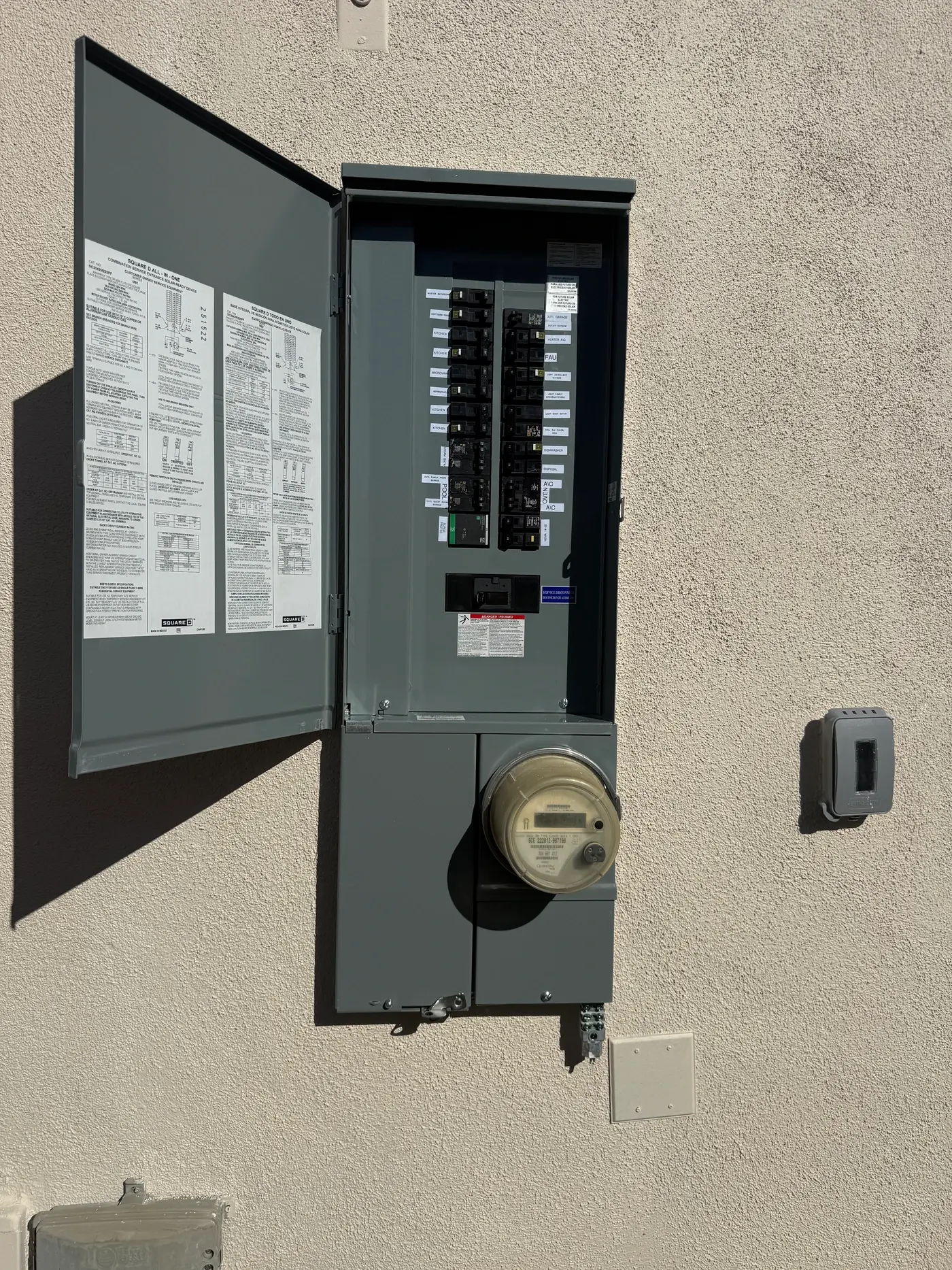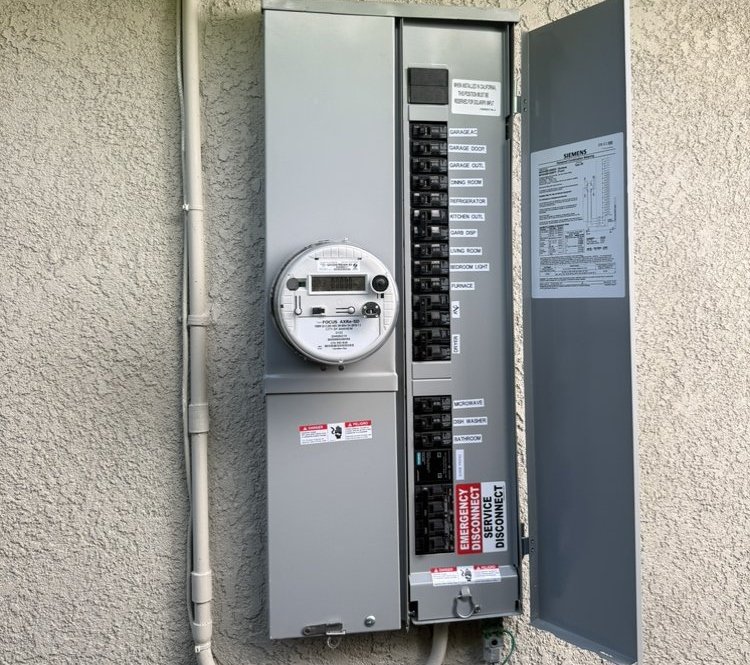
An outdated electrical panel cannot safely handle the modern amperage demands of today’s homes. If your home operates on an electrical panel over 25 to 30 years old, or if you regularly experience tripping breakers, warm panel surfaces, or flickering lights when high-draw appliances kick on, your electrical distribution system is likely overloaded.
The primary job of your main service panel (breaker box) is to receive power from the utility company and distribute it through individual branch circuits, protecting your home’s electrical wiring from overcurrent, thermal overload, and arcing. When an electrical panel reaches the end of its functional service life or encounters demand beyond its design capacity, its safety mechanisms fail. This breakdown creates a severe electrical shock risk and increases the potential for structural house fires.
Below are the 7 definitive warning signs that your electrical panel is outdated, followed by actionable safety protocols, diagnostic comparisons, and cost expectations for upgrading your system.
1. Frequent Circuit Breaker Tripping or Inability to Reset
While an occasional tripped breaker indicates that your system’s safeguard is functioning properly during a temporary overload, frequent tripping reveals a systemic capacity deficit.
[Utility Power] ➔ [Main Panel Bus Bars] ➔ [Branch Breaker Overcurrent] ➔ [Circuit Trip]When you turn on high-draw appliances—such as a microwave, vacuum, space heater, or modern kitchen appliances—the current demand exceeds the breaker’s ampacity rating. In older homes equipped with 60-amp or 100-amp main service, running multiple circuits concurrently causes continuous thermal expansion in the breaker’s internal bimetallic strip, triggering repeated trips.
- Loose Breaker Handles: If a breaker switch feels soft, springy, or refuses to snap firmly back into the “ON” position after a trip, the internal mechanical latching mechanism has degraded due to heat fatigue.
- Bus Bar Pitting: Repeated breaker trips under high load can cause electrical arcing between the breaker jaw and the main bus bar, damaging the electrical connection.
2. Flickering, Dimming, or Humming Lights When Appliances Start
If your overhead lights dim or flicker when major motor-driven appliances cycle on—such as your refrigerator compressor, HVAC unit, or clothes dryer—your electrical panel is suffering from severe voltage drop.
When a heavy load starts, it draws an initial “inrush current” (start-up surge) that can be double or triple its normal running current. An outdated or undersized breaker box cannot stabilize the distribution of power during these spikes, starving smaller circuits of continuous voltage.
| Indicator | Root Cause | Immediate Action |
| Single Light Flickering | Loose bulb, degraded fixture wire, or localized switch contact breakdown. | Replace bulb; check wall switch connections. |
| Whole-Room Dimming | Overloaded branch circuit sharing high-wattage devices. | Distribute appliances across separate dedicated circuits. |
| Whole-House Voltage Drop | Undersized main panel bus bars, loose neutral connection, or service load deficit. | Schedule a professional thermal imaging and load analysis inspection. |
3. Physical Heat, Scorching, or Burning Odors Near the Breaker Box
Your electrical panel should always remain cool to the touch and visually clean. If you detect a distinct fishy, plastic-burning, or ozone smell near the service panel or wall outlets, you are observing an active electrical hazard.
Resistance Build-Up ➔ Wire Insulation Melts ➔ Electrical Arcing ➔ Thermal Runaway / FireOverloaded terminals and loose bus bar connections generate intense resistance heating. As heat accumulates, the PVC wire insulation begins to degrade and melt, exposing bare copper conductors. This condition can lead to persistent arcing—where high-voltage electricity jumps through the air between conductors—creating temperatures above 10,000°F that can ignite nearby wall framing, drywall, or panel enclosures.
4. Buzzing, Hissing, or Crackling Sounds (Arcing)
A properly operating circuit breaker panel operates silently. While a faint, low-frequency 60Hz hum can occasionally occur under heavy electrical load, audible crackling, sizzling, or popping sounds indicate active electrical arcing within the panel enclosure.
- Sizzling/Crackling: Indicates intermittent arc faults where current jumps across pitted contacts or loose terminal screws.
- Loud Buzzing: Signals a failing magnetic trip unit inside a breaker or a breaker that is jammed and attempting to trip under a short circuit condition without successfully breaking the connection.
If you hear crackling or popping coming from your panel, shut off the main breaker immediately (if safe to do so) and contact a licensed electrician.
5. Presence of Recalled, Unsafe, or Obsolete Panel Brands
If your home was built between 1950 and 1990, the physical brand of your panel may pose an inherent fire risk, even if you haven’t noticed operational warning signs yet. Several widely installed panel lines from this era feature documented manufacturing defects and design failures:
[Federal Pacific Strikebreaker] ➔ Fail-to-Trip Defect ➔ Bus Bar Melting ➔ Uncontrolled Overcurrent- Federal Pacific Electric (FPE) Stab-Lok: FPE panels are notorious for a design flaw where breakers fail to trip in response to overcurrent conditions up to 60% of the time during independent testing, leading to severe fire risks.
- Zinsco / Sylvania: These panels feature aluminum bus bars prone to severe corrosion. The breakers can melt directly onto the bus bar, preventing them from ever tripping during an overload.
- Challenger: Certain Challenger panels manufactured in the 1980s used breakers prone to overheating at the bus bar connection point, leading to panel melting and arc fault conditions.
- Pushmatic / Bulldog: These mechanical push-button panels lack modern magnetic trip mechanisms. Over time, the push-buttons stiffen, corrode, and fail to open circuits during overcurrent events.
6. You Still Have an Old-Style Fuse Box (Or 60-Amp Service)
Fuse boxes were the industry standard in residential construction prior to the mid-1960s. Instead of mechanical circuit breakers that trip and reset, fuse boxes rely on sacrificial screw-in glass fuses (such as Edison-base or Type S fuses) containing a thin metal ribbon designed to melt during a current spike.
→ No AFCI/GFCI Compatibility: Limited modern protection options
→ Over-Fusing Hazard: Risk of installing oversized fuses on undersized wiring
→ Insurance Issues: Possible surcharges or coverage concerns
If your home still operates on a fuse box, it is drastically underpowered for modern residential consumption. Attempting to run high-efficiency laundry units, modern kitchen appliances, or central air conditioning on a fuse system creates continuous overcurrent conditions.
7. Extensive Rust, Corrosion, or Water Intrusion
Rust on your main panel, circuit breakers, or bus bars signals active oxidation caused by moisture intrusion. Water typically enters an electrical panel through a damaged exterior service entrance cable (SEU cable), leaking weather heads, or high moisture levels in basement and garage installations.
When copper contacts and bus bars oxidize, a layer of rust and corrosion forms across terminal connections. Corrosion acts as an electrical insulator, increasing electrical resistance across the connection points. Increased resistance under load leads to heat buildup, unexpected voltage drops, erratic breaker tripping, and ultimate hardware failure.
Modern Power Demands: Why Older Electrical Panels Fail
The typical American household in 1970 operated with a 60-amp to 100-amp electrical service, which was sufficient for basic incandescent lighting, a television, and a few small kitchen items. Modern homes require a 200-amp minimum electrical service panel to handle continuous power demands across multiple circuits.
Plugging modern high-wattage equipment into an aging 100-amp service panel forces the system to operate near or above its rated thermal limit, accelerating internal wear and increasing fire risks.
Risks of Delaying an Electrical Panel Upgrade
Deferring an electrical panel upgrade when warning signs appear exposes your home to structural hazards, financial losses, and equipment failure:
- Electrical Fires: The National Fire Protection Association (NFPA) identifies electrical distribution and lighting equipment as a leading cause of home structure fires, responsible for hundreds of deaths and over $1 billion in direct property damage annually.
- Damage to Sensitive Electronics & High-End Appliances: Unstable voltage supply, persistent arcing, and severe brownouts can burn out delicate solid-state control boards in modern high-end appliances, smart home hubs, and computer systems.
- Insurance Invalidation: Many major insurance providers refuse to issue policies or significantly hike premiums for residential properties containing Federal Pacific Electric panels, Zinsco panels, or active screw-in fuse boxes.
- Code Non-Compliance: Older panels do not support modern National Electrical Code (NEC) mandates, including Combination Arc-Fault Circuit Interrupters (AFCI) and Ground-Fault Circuit Interrupters (GFCI) required on all living space circuits.
Panel Upgrade Cost & Service Comparison
Replacing an outdated main panel involves upgrading the enclosure, circuit breakers, service entrance conductors, grounding electrode system, and coordinating with your local utility for service drop disconnects.
| Upgrade Parameter | 100-Amp Panel Replacement | 200-Amp Service Upgrade | 400-Amp Dual Panel Service |
| Typical Home Size | Under 1,200 sq. ft. (No EV/AC) | 1,200 – 3,000 sq. ft. (Standard modern home) | 3,000+ sq. ft. (Large homes, dual EVs, sub-panels) |
| Average National Cost | $1,200 – $2,200 | $2,500 – $4,500 | $4,500 – $8,000+ |
| NEC AFCI/GFCI Support | Limited | Complete | Complete |
| EV / Appliance Ready | No | Yes (Single EV + Electric HVAC) | Yes (Multiple EVs + Heavy Loads) |
| Installation Time | 4 – 6 Hours | 6 – 10 Hours | 1 – 2 Days |
When to Contact a Licensed Electrician vs. Emergency Action
Knowing how to react when electrical panel issues occur can prevent severe property damage:
Immediate Emergency Action (Call Emergency Services / Shut Main Breaker)
- Active smoke, visible sparks, or flames emerging from the panel enclosure or surrounding wall.
- Strong metallic, plastic, or fishy burning smell paired with sizzling sounds from the panel.
- Panel box outer cover feels hot to the touch or shows charred, blackened paint.
Schedule a Professional Inspection (Within 24–48 Hours)
- Breakers trip repeatedly when running specific household appliances.
- You confirm your panel is manufactured by Federal Pacific, Zinsco, or Challenger.
- Lights dim throughout the house whenever larger compressors or motors turn on.
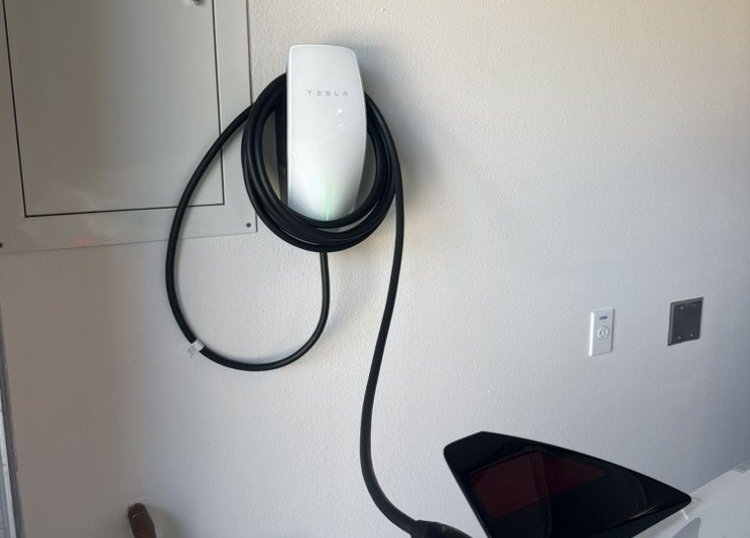
- You plan to install high-draw equipment, such as dedicated appliance circuits, luxury refrigeration systems, or electric vehicle charging units.
If you observe performance drops or electrical instability across your home’s major systems—such as your luxury cooling and kitchen appliances—ensure your service panel is inspected alongside your home equipment. Power fluctuations can shorten the lifespan of sensitive electronic modules in modern units. For specialized unit maintenance and repair services, visit Benitex Electric.
Frequently Asked Questions
How long does a residential electrical panel typically last?
A standard residential circuit breaker panel has an average functional lifespan of 25 to 40 years.However, environment, humidity, corrosion, and continuous overload conditions can shorten this lifespan significantly.
Can I just add a new circuit breaker to my old panel instead of replacing it?
You can only add a new circuit breaker if your panel board has open physical slots and your total calculated electrical load does not exceed the main service rating. If your panel is at capacity or undersized, adding tandem breakers or overloading bus bars creates a serious code violation and fire risk.
What is the difference between a sub-panel and a main panel upgrade?
A main panel upgrade replaces your primary service box, utility connection, and main breaker, increasing your total home power capacity (e.g., upgrading from 100A to 200A). A sub-panel is a secondary breaker box connected to the main panel that adds extra breaker slot space in another location without increasing the total utility power fed to the home.
Why do my breakers trip when my luxury kitchen appliances or refrigerator turn on?
High-end refrigerators and kitchen units utilize modern variable-speed compressors and rapid defrost heating elements that require clean, consistent voltage. If your main panel has loose bus connections or degraded breakers, the initial electrical load spike will cause a voltage drop that trips the breaker.
Will insurance cover the cost of replacing an outdated electrical panel?
Standard home insurance policies generally do not cover preventative maintenance or voluntary upgrades due to age. However, if a sudden covered loss (such as a lightning strike) damages the panel, insurance may pay for replacement. Additionally, upgrading an outdated panel (especially FPE or Zinsco) can lower your monthly premium or prevent policy cancellation.
What size electrical panel do I need for my home?
Most modern residential properties require a minimum 200-amp service panel to meet National Electrical Code mandates and support modern household demands. Larger properties with electric heating, pool equipment, hot tubs, or multiple electric vehicle chargers may require 300-amp or 400-amp service.