Yes, you can charge your electric car directly at home. In fact, over 80% of all electric vehicle (EV) charging happens overnight in residential driveways and garages. To power your vehicle at home, you have two primary options: plugging your car’s included portable cable into a standard 120-volt household wall outlet (Level 1 charging), or installing a dedicated 240-volt charging station on a dedicated circuit (Level 2 charging).
While a standard wall plug works immediately without any installation cost, it adds only 3 to 5 miles of driving range per hour. Upgrading to a dedicated home Level 2 charger increases your charging speed significantly, adding 25 to 40 miles of range per hour—allowing you to fully replenish your battery overnight.
Level 1 vs. Level 2 Home Charging: Understanding the Difference
To choose the right home charging strategy, you need to understand how alternating current (AC) power transfers from your home’s electrical grid through the vehicle’s onboard charger to replenish the lithium-ion battery cells.
Level 1 Charging (Standard 120V Household Outlet)
Every new electric car comes with a portable Electric Vehicle Supply Equipment (EVSE) cordset.
- Voltage & Amperage: 120-volt AC power drawing 12 to 15 amps.
- Charging Speed: 3 to 5 miles of range restored per hour.
- Time to Full Charge: 20 to 50+ hours (depending on battery capacity).
- Best Used For: Plug-in hybrid electric vehicles (PHEVs), drivers with short daily commutes (under 30 miles per day), or temporary setup while awaiting a professional installation.
Level 2 Charging (Dedicated 240V Wallbox)
Level 2 equipment uses the same higher-voltage power supply as heavy residential appliances like clothes dryers, electric ranges, or central HVAC units.
- Voltage & Amperage: 208–240-volt AC power drawing 32 to 48 amps continuous load.
- Charging Speed: 25 to 40 miles of range restored per hour.
- Time to Full Charge: 4 to 8 hours from a low state of charge.
- Best Used For: All-electric battery vehicles (BEVs), drivers commuting 40+ miles daily, multi-EV households, and anyone wanting the convenience of a full battery every morning.
Comparing Level 1 and Level 2 Home EV Charging Options
| Feature / Metric | Level 1 (Trickle Charging) | Level 2 (Dedicated Wall Charger) |
| Electrical Supply Required | Standard 120V NEMA 5-15 Outlet | 240V Hardwired or NEMA 14-50 / 6-50 Outlet |
| Circuit Breaker Size | 15 Amp or 20 Amp | 40 Amp, 50 Amp, or 60 Amp (Dedicated) |
| Power Output (kW) | 1.3 kW to 1.9 kW | 7.2 kW to 11.5 kW |
| Range Added Per Hour | 3 – 5 miles | 25 – 40 miles |
| Equipment Cost | $0 (Included with vehicle purchase) | $350 – $750 |
| Installation Cost | $0 | $500 – $1,800 (Varies with wiring run and panel) |
| Permits & Inspection | None needed | Typically required by municipal building codes |
What Do You Need to Install an EV Charger at Home?
If you decide to upgrade from a standard wall plug to a dedicated Level 2 home station, your home’s electrical system must meet specific physical and technical requirements.
[ Main Breaker 200A ]
[15A Lighting] [15A Lighting]
[20A Kitchen] [20A Outlets]
[30A Dryer] [30A Dryer] — 240V Double-Pole [50A EV CHARGER] [50A EV CHARGER]
Dedicated Continuous Load
LEVEL 2 WALL CHARGER
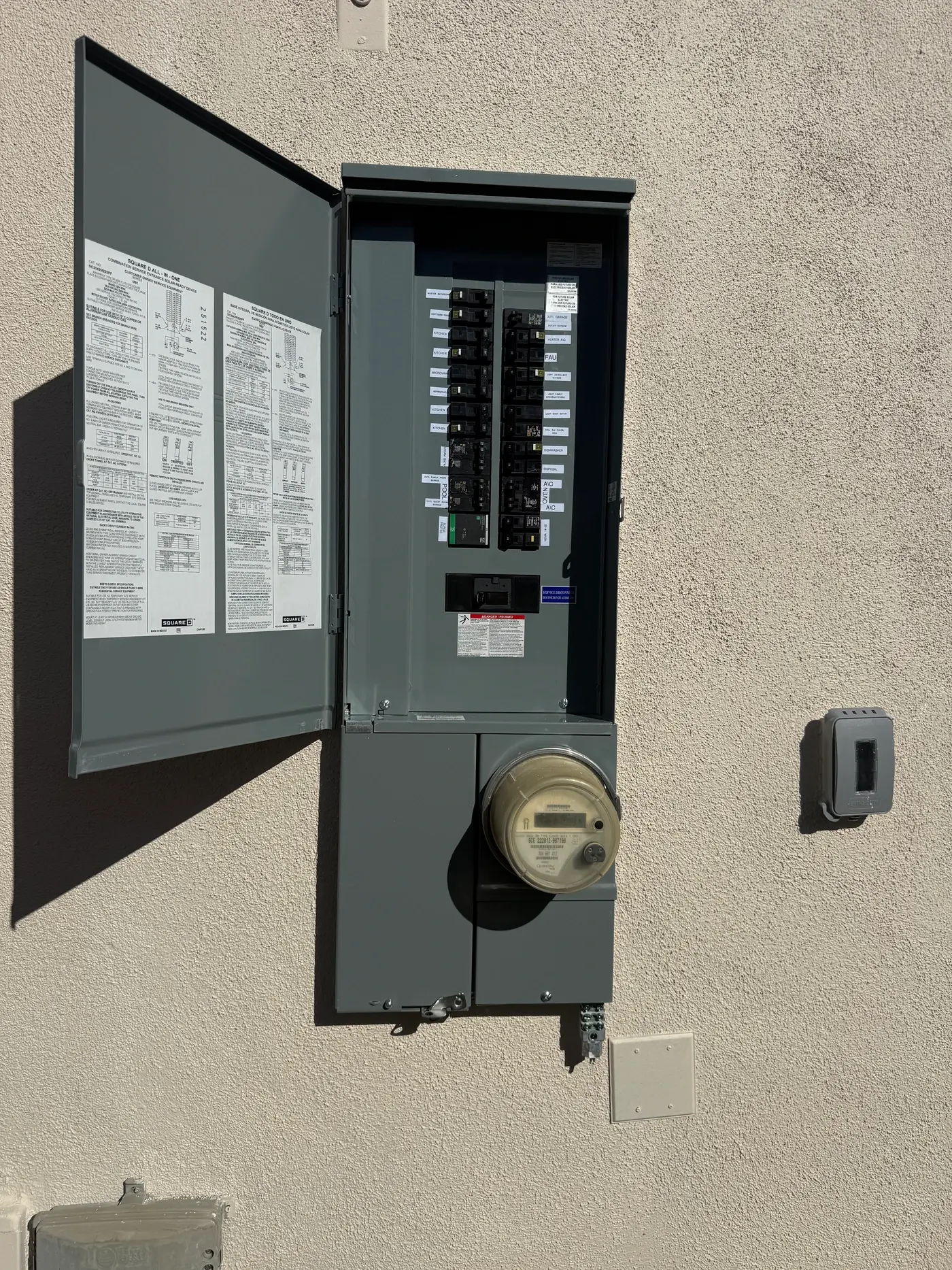
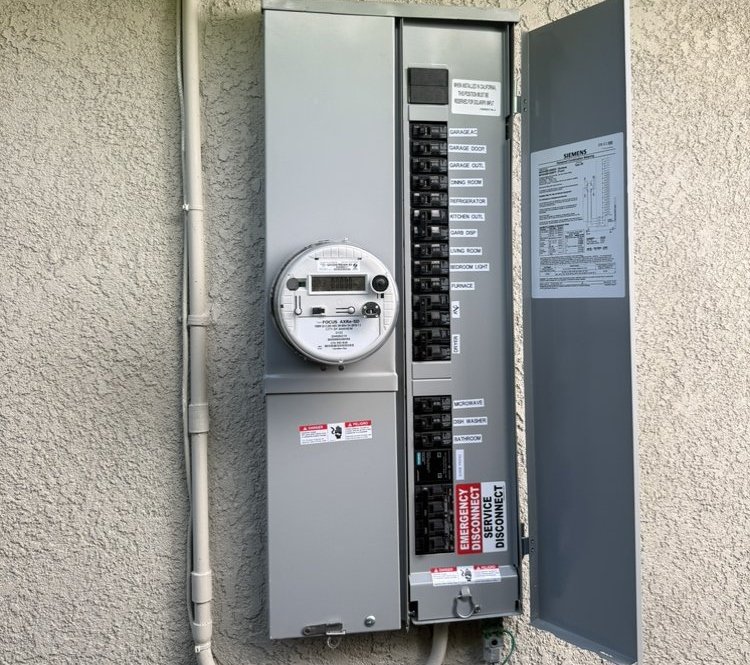
1. Main Electrical Panel Capacity
Your electrical panel distributes incoming grid power throughout your house. Continuous loads—such as an EV charger running for several hours uninterrupted—are capped by the National Electrical Code (NEC) at 80% of the circuit breaker’s maximum rated capacity.
- A 40-amp circuit breaker supports 32-amp continuous charging (7.7 kW).
- A 50-amp circuit breaker supports 40-amp continuous charging (9.6 kW).
- A 60-amp circuit breaker supports 48-amp continuous charging (11.5 kW).
Older homes equipped with 100-amp main service panels may require an electrical load calculation to verify whether the panel can accept an additional 40A or 50A breaker without tripping the main supply. If space or load capacity is insufficient, you can explore adding a smart load-management splitter or upgrading your electrical service panel. For comprehensive electrical panel assessments, professional wiring upgrades, or residential sub-panel additions, consulting certified electrical specialists at Benitex Electric ensures your home infrastructure handles high-continuous loads safely.
2. Hardwired vs. NEMA Outlet Connection
When installing your Level 2 station, you must choose between two mounting formats:
- Plug-In (NEMA 14-50 or 6-50 Outlet): Plugs directly into a heavy-duty 240V wall receptacle. This makes the charger easy to remove or take with you if you relocate. However, repeated plugging and unplugging can wear out standard commercial receptacles.
- Hardwired Connection: The electrical wire connects directly into the charger’s terminal block without a wall plug. Hardwiring is often preferred for outdoor installations because it offers superior weatherproofing, supports higher power output (up to 48A on a 60A breaker), and removes potential point-of-failure connections.
3. Electrical Code, Permits, and Safety Compliance
Under NEC Article 625, EV charging equipment is classified as a continuous electrical load. Safe home installations require:
- A dedicated circuit (no other outlets or appliances shared on that breaker line).
- Ground-Fault Circuit Interrupter (GFCI) protection built into the breaker or unit.
- Equipment listed by nationally recognized testing laboratories such as UL (Underwriters Laboratories) or ETL.
- Proper wire sizing (typically 6 AWG copper wire for a standard 50-amp circuit).
How to Install a Level 2 Home Charger
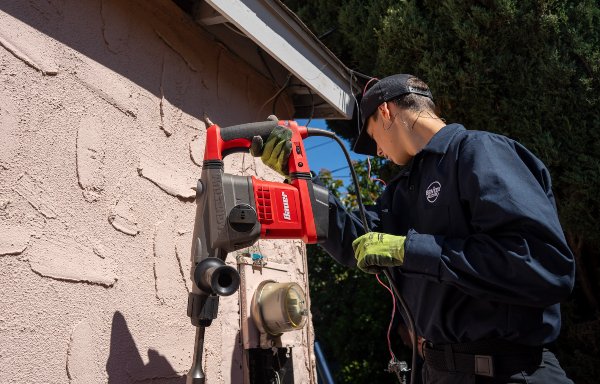
Installing a Level 2 charger involves high voltages that can cause severe injury or property damage if handled incorrectly. Always hire a licensed, insured electrician to execute panel work and circuit routing.
Step 1: Conduct an Electrical Load Calculation
A certified technician measures your current peak household energy usage against your main panel limit to verify available amperage before adding a new circuit.
Step 2: Select and Purchase the Equipment
Choose a smart or standard Level 2 charger that matches your vehicle’s max AC acceptance rate and your preferred connector type (such as J1772 or NACS). Smart chargers include Wi-Fi capabilities to track energy consumption and program automated off-peak schedules.
Step 3: Secure Permits from Municipal Authorities
Your installer submits an electrical plan to your local building department to ensure compliance with municipal codes and zoning guidelines.
Step 4: Run Wiring and Install Circuit Protection
The electrician mounts a dedicated double-pole breaker inside your panel, runs heavy-gauge electrical conduit to your target parking space, and establishes proper earth bonding.
Step 5: Mount and Wire the Charging Station
The wallbox enclosure is secured to wall studs (inside a garage or on an exterior wall) and connected to the supply wires.
Step 6: Final Testing and Building Inspection
The circuit is energized, safety systems are tested using diagnostic tools, and the local building authority signs off on the permit.
If you need help selecting or installing high-performance residential EV chargers, the certified installation team at Benitex Electric EV Charger Installation Services can perform load calculations, handle local permit filings, and safely set up your home charging equipment.
How Much Does It Cost to Charge an EV at Home?
Calculating your home charging expenses involves two parts: upfront setup costs and ongoing electricity consumption.
1. Upfront Setup Expenses
- Level 1 Charging: $0 upfront cost if using the portable cable included with your vehicle.
- Level 2 Charger Hardware: $350 to $750.
- Electrical Installation & Permitting: $500 to $1,800 for straightforward garage installations. (Costs may increase if long conduit runs or electrical panel upgrades are required.)
2. Ongoing Fuel Cost Comparison
Total Charge Cost = Battery Capacity (kWh) × Electricity Rate ($/kWh)
75 kWh × $0.16 = $12.00 for a theoretical 0–100% charge
75 kWh × 3 miles/kWh = 225 miles
$12.00 ÷ 225 miles = $0.053/mile (before charging losses)
By comparison, an internal combustion engine (ICE) vehicle averaging 28 miles per gallon using gas at $3.60 per gallon costs $0.128 per mile. Charging your electric car at home typically costs 50% to 70% less per mile than buying gasoline.
[=========================================] $0.128 / mile
[============================] $0.053 / mile
Optimizing Rates with Smart Charging
Many electric utility companies offer Time-of-Use (TOU) tariffs. Under TOU plans, electricity rates drop significantly during off-peak hours (typically between 11:00 PM and 6:00 AM) when overall grid demand is lowest. Programming your EV or smart wallbox to charge during off-peak hours helps minimize your ongoing home charging expenses.
Best Practices for Home Battery Care and Safety
Modern electric vehicles use sophisticated Battery Management Systems (BMS) to regulate thermal conditions and voltage. Following a few simple guidelines helps preserve long-term battery health and ensures safe daily operation:
- Follow the 20%-80% Rule for Daily Use: For daily commutes, set your vehicle’s charging limit to 80% or 90%. Reserve 100% charges for long road trips to minimize stress on lithium-ion battery chemistry.
- Avoid Extension Cords for Level 1 Charging: Never plug a portable Level 1 cable into a standard household extension cord or multi-outlet power strip. Extension cords can overheat under sustained current loads, creating a potential fire hazard.
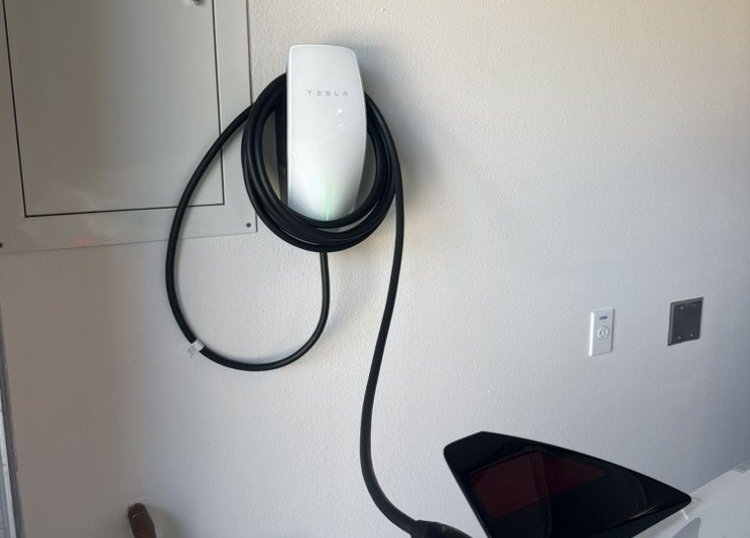
- Keep Cables Organized: Hang your charging cable on a dedicated hook or holster when not in use. This protects the heavy connector nozzle from water exposure and prevents tripping or vehicle rollover damage.
- Inspect Outlets for Wear: If using a Level 1 wall outlet or a NEMA 14-50 plug-in receptacle, check periodically for loose wall fittings or discoloration, which can indicate heat buildup.
Ready to Upgrade Your Home Charging Experience?
Charging your electric car at home provides maximum convenience and daily fuel savings. While Level 1 trickle charging works for short daily trips, installing a dedicated Level 2 wallbox gives you fast overnight charging and complete peace of mind.
To ensure your home electrical panel is fully evaluated, code-compliant, and optimized for maximum charging efficiency, trust licensed electrical professionals. Contact Benitex Electric today to schedule a home electrical inspection, discuss panel upgrades, or request a quote for a professional Level 2 EV charger installation.
Frequently Asked Questions (FAQs)
1. Can I charge an electric car from a standard 3-prong wall outlet?
Yes, you can charge any electric vehicle using a standard 120V household wall outlet. This is known as Level 1 charging. It requires no special electrical installation but adds only 3 to 5 miles of range per hour of charging.
2. Do I need to upgrade my electrical panel to charge an EV at home?
Not always. Level 1 charging uses your existing outlets without panel upgrades. For Level 2 charging, homes with 150-amp or 200-amp service panels usually have sufficient capacity for a dedicated 40A or 50A circuit. Homes with older 100-amp panels may require a panel upgrade or a smart load management device to safely add a charger.
3. How long does it take to fully charge an electric car at home?
Charging times depend on battery size and charger power output. Using a standard Level 1 outlet takes 20 to 50+ hours for a full charge. A dedicated 240V Level 2 charger can fully charge most electric vehicles overnight in 4 to 8 hours.
4. Is it safe to leave my electric car plugged in overnight?
Yes, it is completely safe. Modern electric vehicles and dedicated EV chargers automatically stop power flow once the battery reaches its pre-set charging limit.
5. Can I install a home Level 2 EV charger myself?
It is strongly recommended to hire a licensed electrician. Level 2 installation requires adding a dedicated 240-volt double-pole breaker, pulling heavy-gauge wire through conduit, ensuring ground safety, and pulling local permits to comply with building codes.
6. Will outdoor weather damage my home charging station?
No. Quality Level 2 home chargers are built with weather-resistant enclosures rated NEMA 3R or NEMA 4. They are safely rated for indoor or outdoor installation, allowing you to charge your vehicle in rain, snow, or extreme temperatures.