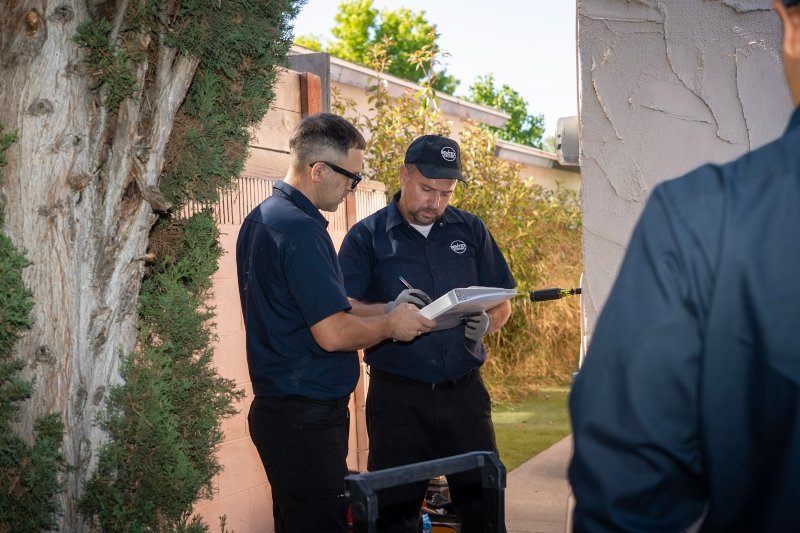
Yes, in nearly all jurisdictions, you need an electrical permit to install a Level 2 EV charger at home or at a commercial property.
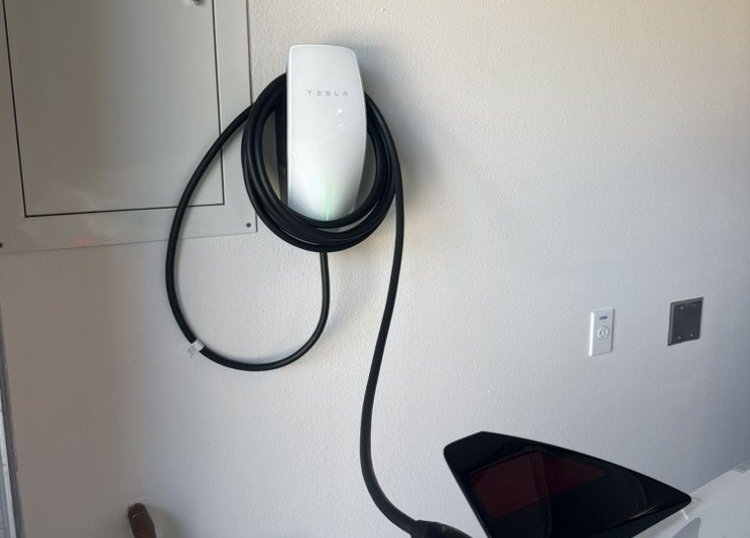
If your installation requires running a new 240-volt circuit, adding a breaker, hardwiring an Electric Vehicle Supply Equipment (EVSE) unit, or upgrading your main electrical service panel, your local Authority Having Jurisdiction (AHJ)—typically your city or county building department—requires a pulled permit before work begins and a certified inspection upon completion.
The only common exception is a Level 1 charger, which plugs directly into a standard, pre-existing 120-volt household outlet. However, adding a new 120-volt outlet or converting an existing line for dedicated vehicle charging still triggers local electrical permit requirements.
EV Charger Permit Requirements at a Glance
Permit requirements depend directly on the charging level, power draw, and whether electrical infrastructure must be altered or installed.
| Charger Type | Voltage & Circuit Type | Installation Method | Permit Required? |
| Level 1 | 120V / 15–20 Amp standard circuit | Plug-in to existing wall outlet | No (if using an existing dedicated outlet) |
| Level 1 (New Line) | 120V / 15–20 Amp dedicated circuit | Installing a new 120V outlet | Yes (electrical permit required for new wiring) |
| Level 2 (Plug-In) | 240V / 40–50 Amp dedicated circuit | Plugging into a new NEMA 14-50 or 6-50 outlet | Yes (permit required to install the 240V receptacle) |
| Level 2 (Hardwired) | 240V / 40–80 Amp dedicated circuit | Direct wire to electrical panel | Yes (electrical permit required) |
| Level 3 (DC Fast) | 480V Three-Phase commercial service | Hardwired commercial infrastructure | Yes (electrical, zoning, and building permits required) |
Why Permits Are Required: Electrical Codes & Safety Standards
An Electric Vehicle Supply Equipment (EVSE) installation is not equivalent to plugging in a vacuum cleaner or toaster. Electric vehicles draw high amperage continuously for hours at a time, making them one of the heaviest electrical loads in a residential building.
Building departments enforce permitting to ensure compliance with the National Electrical Code (NEC), specifically NEC Article 625, which governs Electric Vehicle Power Transfer Systems.
Primary technical reasons building officials inspect EV charger installations include:
1. The Continuous Load Rule (NEC 80% Standard)
Under the NEC, EV charging is classified as a continuous load because the appliance operates at full power for three consecutive hours or longer. The electrical code mandates that circuit breakers and branch conductors must be rated for 125% of the charger’s continuous load (or that the charger operates at no more than 80% of the breaker’s rated capacity).
- An A/C charger drawing 32 Amps continuous requires a 40-Amp breaker.
- An A/C charger drawing 40 Amps continuous requires a 50-Amp breaker.
- An A/C charger drawing 48 Amps continuous requires a 60-Amp breaker (must be hardwired).
Improperly sized wire gauges (e.g., using 10 AWG wire where 6 AWG copper is legally required) cause thermal buildup inside conduit and panels, presenting a severe electrical fire hazard.
2. Electrical Panel Capacity & Load Calculations
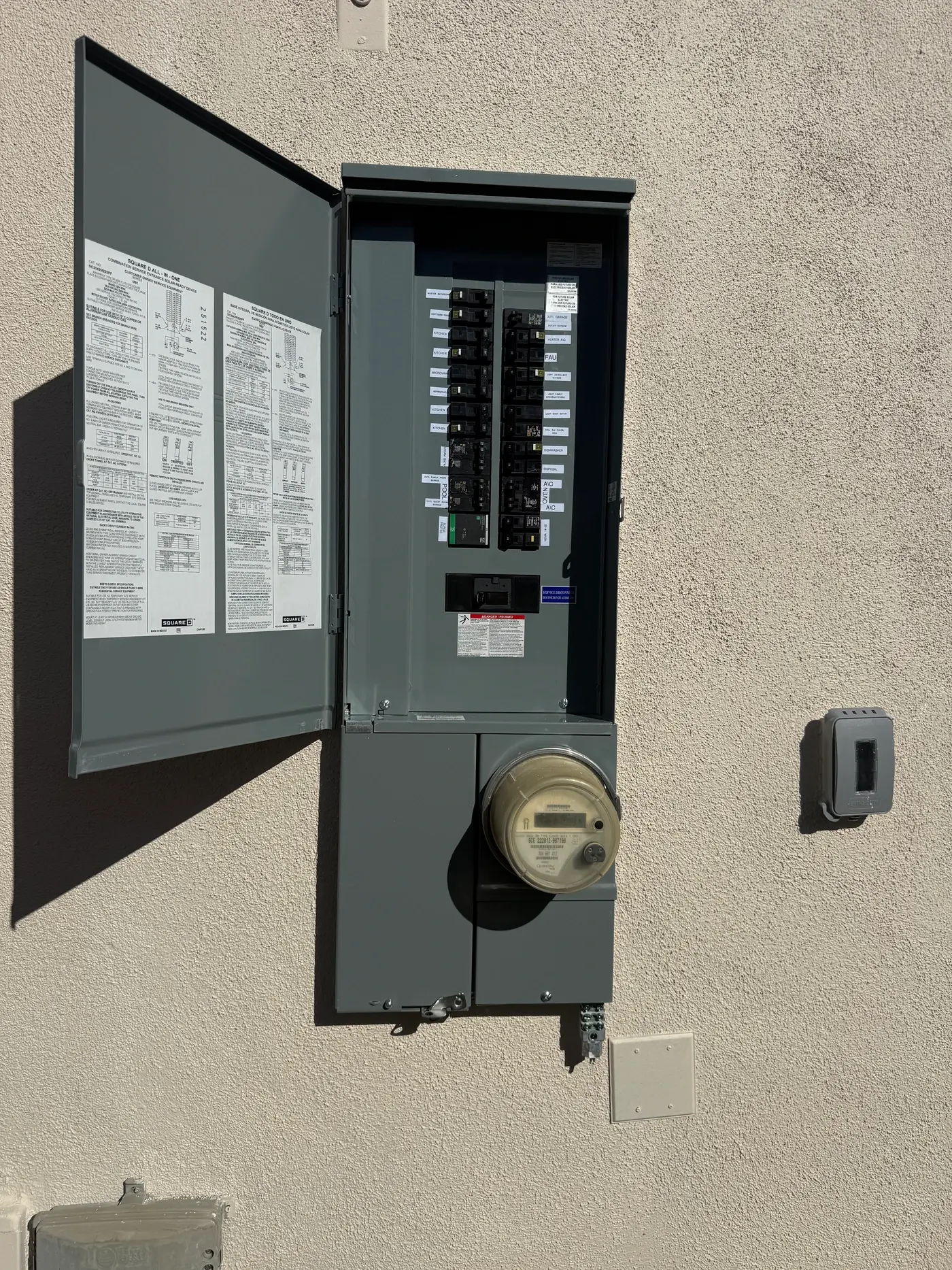
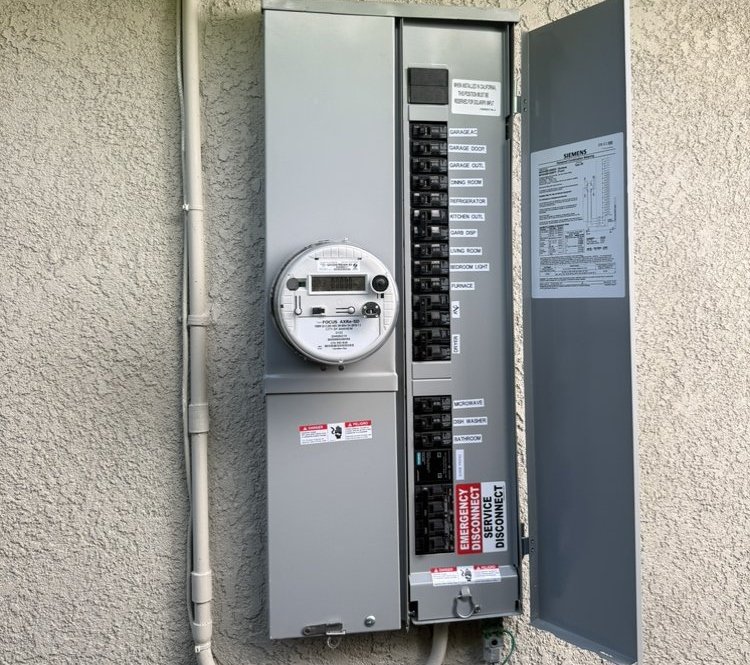
Many older residential homes operate on 100-Amp or 125-Amp electrical panels. Adding a 40-Amp or 50-Amp dedicated EV circuit without evaluating existing household demand (central air conditioning, electric dryers, water heaters) can overload the service panel. Permitting offices require an official load calculation sheet (per NEC Article 220) to confirm your panel can absorb the added amperage without requiring an electrical panel upgrade.
3. GFCI Protection and Receptacle Rating Requirements
The NEC mandates Ground-Fault Circuit-Interrupter (GFCI) protection for EV charging outlets installed in garages, outdoor driveways, and carports. Furthermore, standard builder-grade 240V outlets (often used for clothes dryers) are not rated for repeated thermal cycling or high continuous amperage. Permitting authorities verify that installers use industrial-grade or heavy-duty NEMA 14-50 receptacles or hardwire the unit directly to prevent melting contact points.
5 Serious Risks of Skipping an EV Charger Permit
Attempting an unpermitted EV charger installation to save a few hundred dollars or avoid administrative steps introduces significant financial, legal, and safety risks.
1. Denied Homeowners Insurance Claims
If an unpermitted electrical installation causes a house fire or panel melt-down, your home insurance carrier will investigate the cause. Adjusters routinely request pulled permits and signed inspection certificates from local building authorities. If electrical work was completed without a legal permit, insurers have grounds to deny property damage claims entirely.
2. Forfeiture of Utility Rebates and Tax Credits
Federal, state, and local utility companies offer substantial financial incentives, tax credits, and rebates for installing Level 2 chargers. Nearly all rebate programs require proof of a closed electrical permit and a passed municipal inspection report before disbursing funds.
3. Code Violations, Stop-Work Orders, and Fines
Municipal code enforcement officers issue citations and compounding daily fines for unpermitted electrical work. If discovered during routine property updates or utility work, the AHJ can issue a retroactive permit requirement, force you to tear out finished drywall to expose wiring, or require a complete re-installation by a licensed residential electrician.
4. Property Sale and Title Disclosure Red Flags
When selling your home, property disclosures require declaring unpermitted additions or major electrical modifications. Home inspectors representing buyers check main electrical panels for unpermitted breakers and non-compliant wiring. Unpermitted EV chargers can delay closing, force price reductions, or require emergency permit legalization before property transfer.
5. Equipment Damage and Vehicle Warranty Invalidation
Voltage drops, improper grounding, or neutral floating resulting from incorrect wiring can damage your electric vehicle’s onboard charger module. Vehicle manufacturers may void warranty coverage for battery or charging component repairs caused by improper external charging infrastructure.
The Step-by-Step EV Charger Permitting and Inspection Process
Understanding the permitting pipeline eliminates friction and prevents delays during your charger installation.
Step 1: Electrical System Load Calculation: Conducted prior to purchasing hardware or pulling permits.
A certified electrician evaluates your main electrical panel, service entrance cables, and existing household load. They complete an official NEC load calculation sheet to determine if your panel can accept a dedicated 240V breaker or if a panel upgrade/load management device is required.
Step 2: Submitting Plans & Permit Application: Submitted to your city or county building department.
The installer files an electrical permit application with the local AHJ. Application packets include a site plan showing charger placement, wiring distance, conduit routing, panel schedule, and equipment spec sheets (confirming UL or ETL safety listings).
Step 3: Permit Review & Issuance: Approval timeline varies by municipality.
The local building official reviews the schematics against state and local electrical amendments. Simple over-the-counter or online permits are approved within 24–72 hours, while complex installations may take 1–2 weeks. Physical or digital permit tags are issued once review fees are paid.
Step 4: Physical Electrical Installation: Work executed according to approved plans.
The licensed contractor mounts the EVSE hardware, installs the dedicated double-pole breaker, runs appropriate copper wire gauge through protective conduit, and connects the circuit either to a hardwired junction box or a heavy-duty receptacle.
Step 5: Municipal Electrical Inspection: Final sign-off by a city or county inspector.
A municipal electrical inspector visits the property to verify code compliance. They verify wire gauge, breaker sizing, conduit grounding, GFCI protection, and physical mounting stability. Once approved, the inspector signs off on the permit tag and closes out the file with the building department.
EV Charger Permit Costs and Timelines
Permit costs and approval durations vary depending on geographic region, municipal fee structures, and installation complexity.
| Component | Average Cost Range | Key Influencing Factors |
|---|---|---|
| Basic Residential Permit | $50 – $250 | Municipal fee schedule |
| Plan Review Fee | $25 – $100 | City administrative fees |
| Service Panel Upgrade Permit | $150 – $400 | Additional electrical permit scope |
| Final Inspection Fee | Included in permit | Standard AHJ inspection |
Estimated Timelines:
- Over-the-Counter / Express Permits: 1 to 3 business days (available in cities with digital EV permitting programs).
- Standard Residential Review: 1 to 2 weeks.
- Commercial / Multi-Family Review: 4 to 8 weeks (involves zoning, accessibility/ADA compliance, and utility transformer load reviews).
DIY vs. Hiring a Licensed Electrician: Who Pulls the Permit?
While some municipalities allow homeowners to pull “owner-builder” electrical permits for primary residences, doing so shifts 100% of the legal liability and technical responsibility onto you.
| Homeowner (DIY Permit) | Licensed Contractor Permit |
|---|---|
| Legal responsibility: Homeowner generally assumes responsibility for the permitted work and code compliance. | Professional responsibility: Contractor is responsible for work performed under the contractor’s permit. |
| Code compliance: Homeowner must meet applicable electrical codes and pass required inspections. | Technical work: Contractor handles applicable load calculations, installation requirements, and code compliance. |
| Inspection issues: Failed inspections may require corrections and additional inspection fees. | Workmanship: Contractor may provide a workmanship warranty depending on the company’s terms. |
| Insurance: Homeowner-performed work may have insurance or warranty implications depending on the policy. | Documentation: Professional installation may provide documentation useful for applicable rebates or incentives. |
When you hire a master or journeyman electrician through a professional electrical company, the contractor:
- Calculates panel capacity correctly to prevent nuisance tripping or overload.
- Pulls the electrical permit under their state license and insurance bond.
- Assumes legal liability for code compliance and safety.
- Schedules and meets the municipal inspector on site to secure final sign-off.
If you are planning an EVSE upgrade, scheduling a professional EV charger installation service ensures that all administrative paperwork, electrical code requirements, and local safety inspections are handled seamlessly.
Frequently Asked Questions
Do I need a permit if I already have a 240V outlet in my garage?
If you have an existing, code-compliant 240V NEMA 14-50 or NEMA 6-50 outlet on a dedicated circuit, plugging a compatible Level 2 portable charger into that receptacle generally does not require a new permit. However, if you are adding a new 240V outlet or modifying the existing circuit wiring to accommodate higher amperage, an electrical permit is required.
Can I install an EV charger without a permit if I use a plug-in model?
You do not need a permit to plug a charger into an existing wall outlet.However, creating the actual 240V plug-in circuit (installing the outlet, running wiring back to the breaker box, adding a 40A or 50A breaker) requires an electrical permit in almost every municipality.
What happens if my electrical panel fails the load calculation?
If your current electrical panel lacks available capacity, you have two options: perform a service panel upgrade (e.g., upgrading from 100A to 200A service) or install a smart energy management system / load shedder. Load management devices monitor household power consumption and automatically throttle EV charging speed if overall demand spikes, satisfying NEC code requirements without necessitating a panel swap.
Does a Level 1 charger require a permit?
No. Level 1 chargers draw 12 Amps from standard 120V household wall outlets. As long as you are using a pre-existing wall receptacle, no permit is required. An electrical permit is only required if you hire an electrician to run a brand-new dedicated 120V branch circuit from your main panel.
Will my local electric utility know if I install an EV charger without a permit?
Yes, in many cases. Modern smart meters monitor household load profiles and peak power draw patterns. Utility companies frequently detect new high-draw, continuous 240V signatures. Furthermore, to qualify for discounted EV time-of-use (TOU) electricity rates or rebate programs, utilities require proof of a closed municipal permit.
How do I verify if my electrician pulled a permit?
Your electrician should provide a physical permit tag or permit number issued by your city or county building department before beginning installation work. You can also verify active permits by visiting your local government’s online building permit portal and searching your property address.
Ready to Upgrade Your Home with Fast, Code-Compliant EV Charging?
Don’t let municipal paperwork, complex load calculations, or electrical permit headaches slow down your drive. Whether you need a dedicated Level 2 wall charger installed in your garage, a main panel capacity evaluation, or a seamless end-to-end installation with all city permits pulled and passed, Benitex Electric has you covered.
Why Homeowners Choose Benitex Electric:
- Complete Permit Management: We handle all municipal paperwork, load calculation sheets, and inspector scheduling from start to finish.
- Licensed & Insured Master Electricians: Fully certified technicians ensuring 100% compliance with local building codes and NEC Article 625 standards.
- Rebate & Tax Credit Support: We provide the documentation and proof of permit required to claim local utility rebates and federal tax incentives.
- Upfront, Transparent Pricing: Clear quotes with zero hidden fees for permits, materials, or panel upgrades.
Get Your Free EV Charger Installation Estimate
Ready to charge faster and safer at home? Contact our expert team today to schedule your site assessment and electrical evaluation.
Service Areas: Serving residential and commercial properties with professional, permit-ready electrical solutions.
Call Us Directly: (949)-259-5956
Online Booking: Schedule Your EV Installation Assessment