Installing an electric vehicle (EV) charger at home or at a business makes daily charging more convenient. However, a charger that is installed incorrectly can lead to slow charging, repeated breaker trips, damaged equipment, electrical hazards, and expensive corrections.
Many of these problems begin before the charger is even mounted. Choosing the wrong charging equipment, overlooking electrical panel capacity, using unsuitable wiring, or skipping required permits can affect the safety and performance of the entire installation.
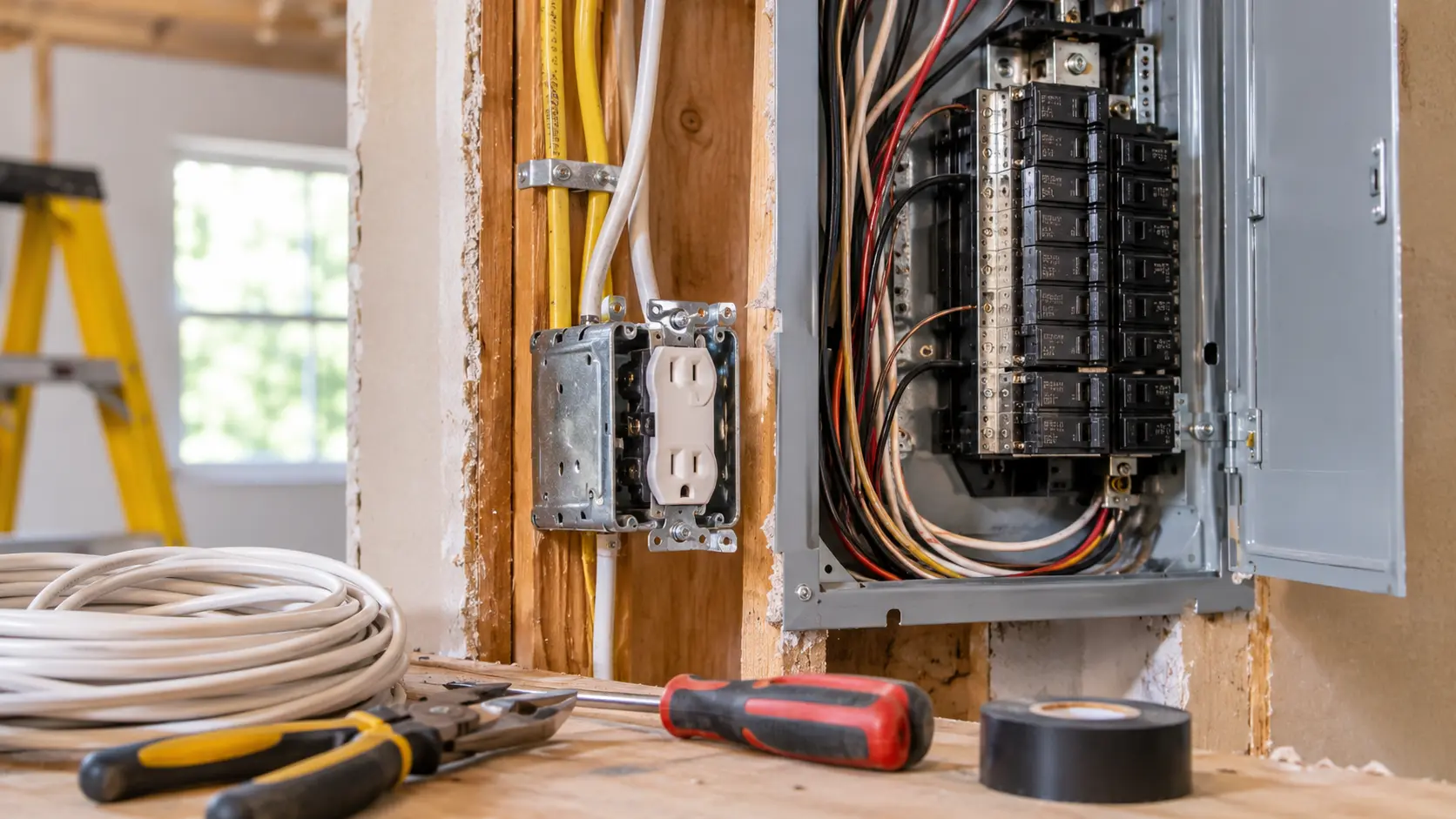
For homeowners and property owners in Orange County, California, proper planning is especially important. Every property has different electrical requirements, and the right installation depends on the existing electrical system, vehicle, charger specifications, and intended charging location.
Understanding common EV charger installation mistakes can help you avoid unnecessary costs and make better decisions before starting your project.
In this guide, we explain 12 common mistakes, why they happen, and how to prevent them. We also cover electrical capacity, permits, charger placement, wiring, installation costs, and when to contact a professional electrician.
Why Proper EV Charger Installation Matters
An EV charging station is more than an ordinary wall outlet. A Level 2 charger uses a dedicated electrical circuit designed to deliver power to your vehicle over several hours.
Unlike many household appliances, EV charging can create a continuous electrical load for extended periods. This means the electrical panel, circuit protection, wiring, connections, and charging equipment must all be suitable for the installation.
A poorly planned installation can cause problems such as:
- Frequent circuit breaker trips.
- Overheating electrical connections.
- Inconsistent or slow charging.
- Damaged charging equipment.
- Unnecessary electrical panel upgrades.
- Failed inspections or permit delays.
- Expensive changes after installation.
A properly planned installation begins with an assessment of the property’s electrical capacity and charging requirements.
According to the U.S. Department of Energy’s Alternative Fuels Data Center, homeowners should have an electrician determine whether their existing electrical system can support Level 2 charging.
12 Common EV Charger Installation Mistakes and How to Avoid Them
1. Choosing the Wrong EV Charger
One of the first mistakes homeowners make is purchasing a charger without checking whether it is suitable for their vehicle and electrical system.
Not all EV chargers offer the same charging speeds, power requirements, connectors, or installation options.
For example, a Level 1 charger typically uses a standard 120-volt household outlet and provides slower charging. A Level 2 charger operates on a 208- or 240-volt electrical supply and can provide faster charging when properly installed.
Some homeowners purchase a high-powered charging station because they assume it will always charge their vehicle faster. However, the actual charging speed depends on several factors:
- The vehicle’s maximum AC charging capacity.
- The charger’s maximum output.
- The available electrical circuit capacity.
- The vehicle’s battery condition and charging limits.
- The electrical system’s ability to support the charger.
For example, installing a high-output charger does not mean a vehicle will automatically accept power at its maximum rated output.
How to avoid this mistake:
Before purchasing equipment, check your vehicle manufacturer’s charging recommendations and the charger’s electrical specifications.
Consider the following:
- What connector does your vehicle support?
- What charging speed can your vehicle accept?
- Does the charger require a hardwired connection or receptacle?
- Is the charger suitable for indoor or outdoor use?
- Can your electrical system support the required load?
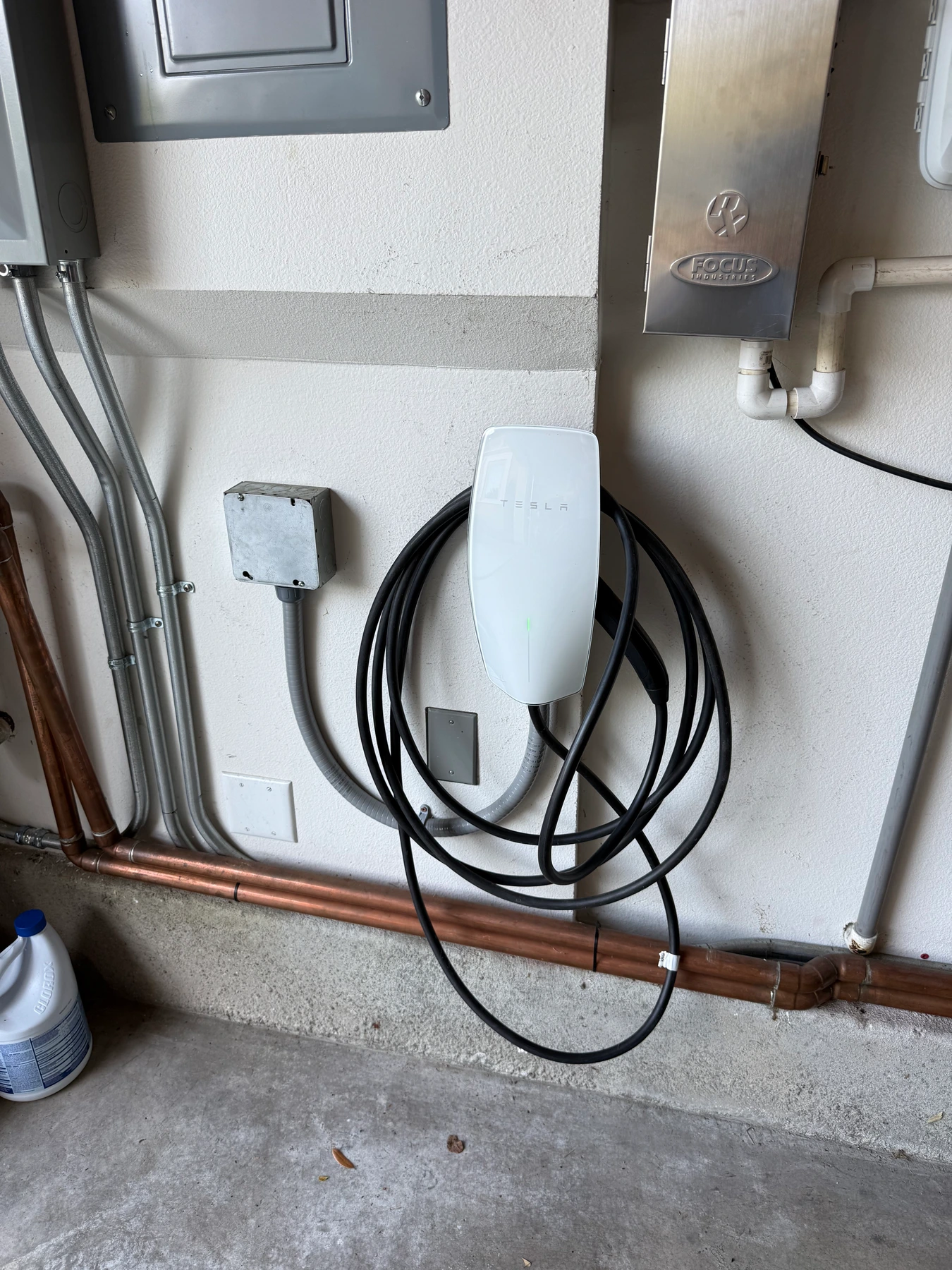
BeniteX Electric installs Level 2 charging solutions, including Tesla Wall Connectors and NEMA 14-50 outlets. The appropriate option depends on the vehicle, electrical system, and property requirements.
2. Ignoring Electrical Panel Capacity
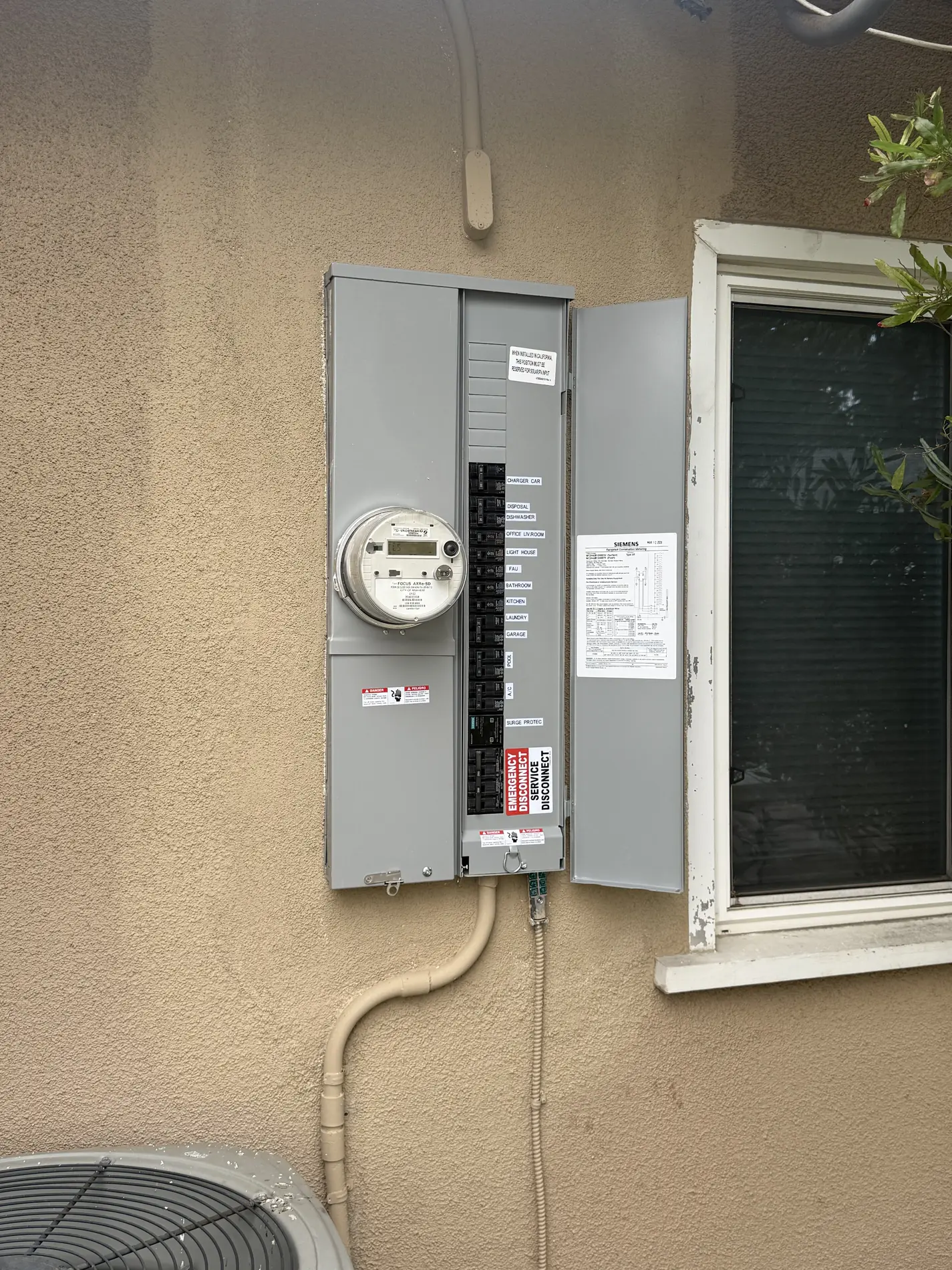
A common and potentially expensive mistake is assuming that an existing electrical panel can handle an EV charger simply because there are empty breaker spaces.
An empty breaker position does not necessarily mean the electrical service has enough available capacity.
Your electrical panel supplies power to multiple systems, including:
- Air conditioning and heating.
- Electric ovens and ranges.
- Water heaters.
- Clothes dryers.
- Lighting and outlets.
- Pool equipment.
- Other large electrical appliances.
Adding an EV charger introduces another significant electrical load. If the system does not have enough capacity, the installation may require additional electrical work.
A qualified electrician should evaluate the existing electrical service and calculate the expected load before selecting the charging equipment.
Depending on the property’s conditions, possible solutions include:
- Installing a charger with a suitable lower charging-current setting.
- Adding an approved energy management system.
- Using smart load management.
- Upgrading the electrical panel or service when necessary.
How to avoid this mistake:
Request an electrical load assessment before purchasing or installing a Level 2 charger.
Do not rely on the panel’s appearance, available breaker spaces, or its main breaker rating alone. The electrical load calculation must consider the property’s actual electrical demand and applicable code requirements.
If your home needs additional capacity, learn more about professional electrical panel upgrade services.
3. Skipping the Dedicated Circuit Assessment
EV charging equipment needs an appropriately designed branch circuit. A frequent mistake is trying to use an existing household circuit without confirming that it is suitable for the charging equipment.
Household circuits may already supply multiple outlets, lights, or appliances. Adding a continuous charging load without evaluating the circuit can create an unsafe condition.
For most residential Level 2 installations, the electrician will determine the correct circuit arrangement based on the charger specifications and applicable electrical requirements.
This includes evaluating:
- Circuit breaker rating.
- Conductor size and type.
- Charging current.
- Continuous-load requirements.
- Grounding and bonding.
- Manufacturer installation instructions.
For example, a charger configured for a particular current must have a properly sized circuit and compatible overcurrent protection. The breaker, wiring, and charger settings must work together.
How to avoid this mistake:
Have the electrician design the appropriate dedicated circuit for the selected charging equipment.
Do not assume an existing dryer outlet, garage receptacle, or unused breaker can automatically support EV charging. Even when a receptacle looks compatible, its wiring, circuit rating, condition, and installation details must be evaluated.
4. Using Incorrect Wire Size or Electrical Materials
Using unsuitable wiring is another serious EV charger installation mistake.
Electrical conductors must be selected according to the circuit’s electrical requirements, installation method, conductor material, temperature ratings, and other applicable conditions.
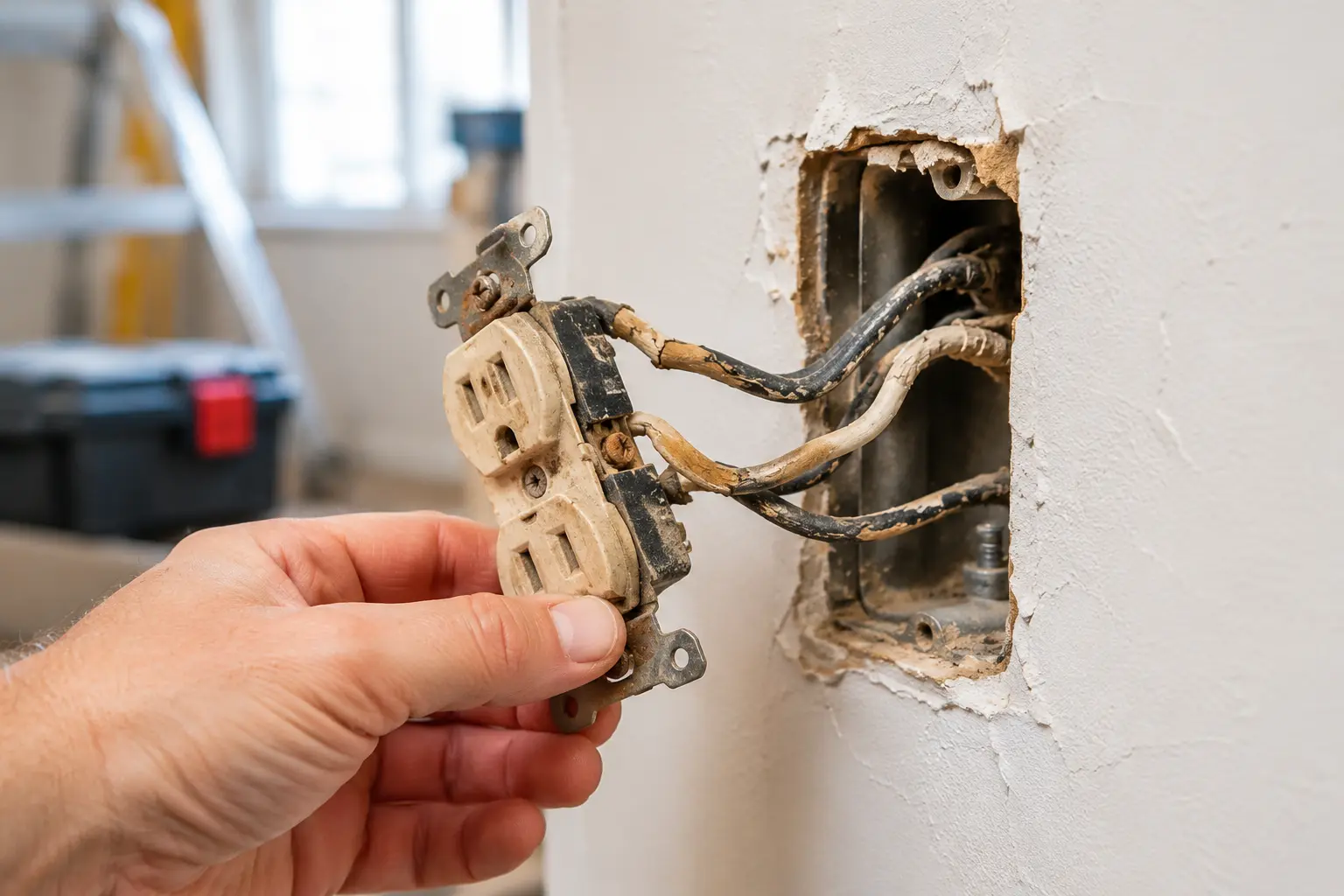
Using wiring that is too small for the required load can cause excessive heating and increase the risk of electrical failure.
Other material-related mistakes include:
- Using unsuitable electrical cables.
- Installing incorrect connectors or fittings.
- Using equipment that is not rated for the environment.
- Making poor electrical connections.
- Ignoring manufacturer installation requirements.
- Failing to provide proper grounding and bonding.
These issues may not be visible after the charger has been mounted and the installation is complete.
How to avoid this mistake:
A qualified electrician should select and install all wiring, circuit protection, and electrical materials based on the equipment specifications and applicable California Electrical Code requirements.
Homeowners should avoid attempting to resize conductors, replace breakers, or modify electrical connections themselves.
Professional installation helps ensure that the electrical system is designed for the intended charging load rather than simply made to fit the available materials.
5. Installing the Charger in the Wrong Location
A charger can be electrically suitable but still be inconvenient if it is installed in the wrong location.
Some homeowners choose a mounting position based only on appearance or the shortest visible cable route. Later, they discover that the charging cable cannot comfortably reach the vehicle’s charging port.
Poor placement can also create problems with parking, garage access, cable storage, and vehicle movement.
Before choosing a location, consider:
- Where the vehicle’s charging port is located.
- How the vehicle is normally parked.
- Whether the cable can reach without stretching.
- Whether the charger interferes with doors or walkways.
- Whether the mounting surface is suitable.
- Whether the location is protected from physical damage.
- Whether the equipment is approved for indoor or outdoor installation.
For outdoor installations, weather exposure is particularly important.
Outdoor-rated charging equipment and installation materials should be used where required. Cable routing and mounting should also account for water exposure, sunlight, and possible physical damage.
How to avoid this mistake:
Plan the charger’s position around your normal parking arrangement before installation begins.
Ask the electrician to evaluate cable reach, mounting height, wiring access, and environmental conditions.
A little planning can prevent the inconvenience of relocating a charger after installation.
6. Ignoring Permits and Electrical Inspections
Skipping permits is one of the most important mistakes to avoid when installing an EV charging station.
Some property owners believe that installing a charger in their own garage does not require approval. However, electrical work involving new circuits or charging equipment may require permits and inspections from the local authority.
Permit requirements and application procedures can vary depending on the city, property type, and installation scope.
For example, Orange County Development Services provides specific EV charging station requirements and procedures. The City of Irvine also has a dedicated EV charging permit process for qualifying residential installations.
Permits and inspections help verify that the proposed work meets applicable safety and building requirements.
Skipping this process can result in:
- Compliance problems.
- Required corrective work.
- Delays during property transactions.
- Questions during future electrical inspections.
- Difficulty documenting the installation.
How to avoid this mistake:
Before work begins, confirm the permit requirements with the local building department.
Ask your electrical contractor who will handle the application, supporting documents, inspection scheduling, and required corrections.
Do not assume that a permit is unnecessary because a similar installation in another city did not require the same process.
7. Buying an Incompatible or Poor-Quality Charger
Another mistake is choosing a charging station based only on price.
An inexpensive charger may seem attractive, but electrical safety, equipment compatibility, warranty terms, and manufacturer support should also influence the decision.
Charging equipment should be appropriately listed or certified for its intended use. Homeowners should also review the manufacturer’s installation instructions and electrical requirements.
Before purchasing, check:
- Whether the charger supports your vehicle.
- Its maximum charging output.
- Required electrical supply.
- Connector compatibility.
- Indoor or outdoor rating.
- Safety certifications and product listing.
- Warranty coverage.
- Manufacturer support.
A charger with advanced Wi-Fi features or a mobile application is not automatically a better electrical solution.
The important consideration is whether the equipment meets your charging needs and can be safely installed in your property.
How to avoid this mistake:
Purchase equipment from a reputable manufacturer and confirm its specifications before installation.
The U.S. Department of Energy recommends safety-certified residential charging equipment and professional electrical installation.
8. Overlooking Grounding and Electrical Protection
Grounding and electrical protection are essential parts of a safe EV charging installation.
Some homeowners focus on the charger itself and overlook the electrical protection required by the installation.
Incorrect grounding, unsuitable protective devices, or poor electrical connections can increase the risk of shock, equipment damage, or electrical failure.
Depending on the equipment and installation, the electrician must evaluate:
- Equipment grounding.
- Ground-fault protection requirements.
- Overcurrent protection.
- Bonding requirements.
- Manufacturer-specified protective features.
- Compatibility between the charger and electrical circuit.
Modern EV charging equipment often includes built-in safety functions. However, these features do not eliminate the need for correct building wiring and circuit protection.
How to avoid this mistake:
Make sure the installation is designed according to the current electrical code, equipment listing, and manufacturer instructions.
Do not bypass protective devices or use adapters to work around electrical compatibility issues.
If the charger displays a fault, trips protection repeatedly, or shows signs of electrical damage, stop using it and contact a qualified electrician.
9. Choosing the Wrong Charging Amperage
Selecting an unsuitable charging-current setting can affect the performance and safety of an EV charging installation.
Some homeowners assume that choosing the highest available amperage will always produce the best result.
However, charging current must remain within the limits of the branch circuit, charging equipment, and vehicle.
For example, a charging station configured for a current higher than its circuit can safely support may create an overloaded installation.
The appropriate charging setting depends on the circuit rating, continuous-load requirements, equipment instructions, and vehicle capabilities.
How to avoid this mistake:
Have the electrician confirm the circuit rating and configure the charger correctly.
The charger should never be set to draw more current than the installed electrical system is designed and approved to handle.
If your household electrical capacity is limited, a properly designed load-management solution may allow charging without immediately requiring a service upgrade.
10. Forgetting About Future Electrical Needs
Installing an EV charger based only on today’s requirements can create problems later.
For example, a homeowner may currently own one electric vehicle but plan to purchase another in the future.
Other possible changes include:
- Installing additional EV charging stations.
- Adding solar panels.
- Installing a battery storage system.
- Replacing gas appliances with electric equipment.
- Adding a pool or outdoor electrical equipment.
- Expanding a garage or workshop.
These changes can increase electrical demand.
A charger installation that is suitable today may need additional electrical planning if the property’s requirements change.
How to avoid this mistake:
Discuss your future electrical plans before installation.
A qualified electrician can evaluate whether a conventional circuit, smart load management system, or additional electrical capacity makes the most sense.
Planning ahead does not always mean installing a larger panel immediately. It means choosing a solution that accounts for realistic future requirements without unnecessary spending.
11. Poor Cable Management and Unsafe Charger Placement
Cable management may seem like a small detail, but it affects everyday safety and convenience.
A charging cable left across a walkway or driveway can create a tripping hazard. It may also be damaged by vehicles, garage doors, or repeated contact with sharp edges.
Common cable-management problems include:
- Leaving the charging cable on the floor.
- Stretching the cable across walking paths.
- Allowing vehicles to drive over it.
- Storing the connector in an unsuitable location.
- Placing the charger where it can be struck by a vehicle.
How to avoid this mistake:
Choose a mounting location that provides convenient access without creating an obstruction.
Use manufacturer-approved cable holders and accessories where appropriate.
Keep the cable away from vehicle tires, sharp edges, standing water, and areas where people regularly walk.
Good cable management makes daily charging easier and helps protect the charging equipment.
12. Hiring an Electrician Without Checking Qualifications
Perhaps the most costly mistake is hiring someone who does not have the appropriate electrical experience or qualifications for the project.
EV charger installation involves electrical load calculations, circuit design, equipment compatibility, wiring, protective devices, and local permit requirements.
A low initial quote does not necessarily mean a project is properly planned.
An incomplete installation may require additional work later, increasing the total cost.
Before choosing an electrical contractor, consider asking:
- Are you properly licensed for this electrical work?
- Will you evaluate my existing electrical panel?
- Will you calculate the available electrical capacity?
- Will you obtain the required permits?
- Will the installation be inspected where required?
- Does the quote include wiring, materials, and equipment mounting?
- Is there a workmanship warranty?
- Will you test the charger before completing the project?
How to avoid this mistake:
Choose a contractor with the appropriate California electrical contractor license and experience with EV charging installations.
BeniteX Electric Inc. provides EV charging installation and electrical panel upgrade services in Orange County. The company’s website lists California C-10 Electrical Contractor License #1130816.
You can review its EV charger installation services to learn more about the available installation options.
Electrical Considerations Before Installing an EV Charger
Avoiding installation mistakes requires more than selecting a charger and finding a place to mount it. Several electrical and property-related factors should be evaluated before the work begins.
Understanding Level 1 and Level 2 Charging
Choosing the right charging level is an important part of installation planning.
| Feature | Level 1 Charging | Level 2 Charging |
| Power supply | 120 volts | 208/240 volts |
| Charging speed | Slower | Faster |
| Typical use | Basic home charging | Daily home and business charging |
| Installation | May use an existing suitable outlet | Usually requires a dedicated circuit |
| Best suited for | Lower daily mileage | Higher daily charging needs |
Level 1 charging may be sufficient for drivers with shorter daily commutes and enough time to recharge overnight.
Level 2 charging is often more practical for households that drive frequently, own vehicles with larger batteries, or need faster charging between trips.
The right choice depends on your driving habits, vehicle specifications, and available electrical capacity.
Does Your Electrical Panel Need an Upgrade?
Not every home needs a new electrical panel to install an EV charger.
Some properties have sufficient electrical capacity for an additional charging circuit. Others may require an electrical improvement before installation.
An electrician should evaluate the electrical service, existing loads, and proposed charging equipment.
Depending on the results, possible options include:
- Installing a suitable dedicated charging circuit.
- Adjusting the charging-current setting within approved limits.
- Adding a compatible energy management system.
- Installing a subpanel where appropriate.
- Upgrading the main electrical panel or service.
The goal is to provide enough electrical capacity without recommending unnecessary upgrades.
If you are planning to install a Level 2 charger, discuss your existing electrical setup before committing to a particular charging station.
Hardwired Charger vs. NEMA 14-50 Outlet
Another decision homeowners face is whether to install a hardwired charging station or a plug-in charger using a NEMA 14-50 receptacle.
Both options can support Level 2 charging, but they have different installation requirements.
| Feature | Hardwired Charger | NEMA 14-50 Outlet |
| Connection | Permanently wired | Plug-in connection |
| Installation | Direct electrical connection | Dedicated compatible receptacle |
| Flexibility | Usually remains in place | Compatible equipment can be unplugged |
| Best suited for | Permanent charging locations | Suitable plug-in charging setups |
| Considerations | Charger service and installation requirements | Receptacle rating, plug compatibility, and circuit protection |
A hardwired charger can be a practical option for homeowners who want a permanent charging station.
A NEMA 14-50 outlet may offer flexibility for compatible portable charging equipment.
However, neither option should be selected without checking the equipment specifications, circuit requirements, and local electrical rules.
BeniteX Electric offers both hardwired EV charger installation and NEMA 14-50 outlet installation. Its published pricing page lists these as separate installation options.
EV Charger Installation Costs: What Can Increase Your Budget?
The cost of installing an EV charger depends on the property and the work required. Choosing a charger without understanding the electrical installation costs can lead to unexpected expenses.
Several factors can affect the final project price.
1. Electrical Panel Condition
If the existing panel has sufficient capacity and is in suitable condition, installation may require less electrical work.
However, an older panel, limited capacity, or other electrical issues may require additional improvements.
2. Distance Between the Panel and Charger
The distance between the electrical panel and the charging location affects the amount of wiring and labor required.
A charger installed near the electrical panel may require a shorter circuit route.
A detached garage, outdoor driveway, or distant parking area may require longer wiring runs and additional installation work.
3. Charger Type and Equipment
Hardwired charging stations and plug-in charging setups have different equipment and installation requirements.
The charger brand, power rating, mounting requirements, and accessories can also affect the total cost.
4. Permits and Inspections
Local permit fees and inspection requirements should be considered when preparing an installation budget.
The requirements may vary depending on the property location and project scope.
5. Additional Electrical Work
Some properties may need additional work, such as:
- Electrical panel upgrades.
- Subpanel installation.
- Longer wiring runs.
- Smart load management equipment.
- Circuit corrections.
- Outdoor electrical protection and installation materials.
BeniteX Electric’s Published Installation Pricing
Prices shown on the company’s published pricing page when reviewed. Confirm current pricing, eligibility, and project scope before publication.
| Installation service | Published starting price |
| Hardwired EV charger installation | $649 |
| NEMA 14-50 outlet installation | $749 |
| Extended wiring | $20 per additional foot |
The website states that the listed installation packages include permits, labor, and utility coordination, with a two-year workmanship warranty. Confirm the exact inclusions for the specific project before accepting a quote.
These are company-specific published starting prices, not guaranteed final project costs. Site conditions, additional electrical work, and installation requirements can affect the final estimate.
What Does a Professional EV Charger Installation Process Include?
A professional installation should follow a planned process rather than beginning with drilling holes and mounting equipment.
Here are the main stages homeowners should expect.
Step 1: Property and Electrical Assessment
The electrician reviews the existing electrical panel, available capacity, proposed charging location, and vehicle charging requirements.
This helps determine whether the property can support the selected charger.
Step 2: Charger and Circuit Selection
Based on the assessment, the electrician recommends a suitable charging station and circuit arrangement.
The selected equipment should match the vehicle’s charging capabilities and the property’s electrical requirements.
Step 3: Permit and Installation Planning
The contractor confirms applicable permit requirements and prepares the necessary installation details.
The plan should account for wiring routes, mounting location, circuit protection, and inspection requirements.
Step 4: Professional Installation
The electrician installs the charging equipment, electrical circuit, wiring, and required protective components according to the approved design and manufacturer instructions.
Step 5: Testing and Inspection
The completed installation should be checked for proper operation and compliance with applicable requirements.
Any required local inspection should also be completed.
Step 6: Customer Walkthrough
The homeowner should understand how to operate the charger, connect the vehicle, monitor charging status, and recognize warning indicators.
A clear walkthrough helps prevent confusion and makes everyday charging easier.
EV Charger Installation in Orange County, California
Orange County homeowners have different electrical installation needs depending on the age of their properties, electrical service capacity, garage layouts, and charging requirements.
For example, a newer home in Irvine may have different electrical infrastructure from an older property in Santa Ana or Anaheim.
Coastal properties in Newport Beach and Laguna Beach may also require careful consideration of outdoor equipment ratings and environmental exposure.
Local permitting is another important consideration. Orange County Development Services provides EV charging station guidelines, while individual cities may have their own application procedures and documentation requirements.
For example, the City of Irvine requires project-specific permit documentation for applicable residential EV charging installations.
BeniteX Electric Inc. lists the following communities among its service areas:
- Irvine
- Anaheim
- Santa Ana
- Newport Beach
- Orange
- Yorba Linda
- Laguna Beach
- Fullerton
- Cypress
- Mission Viejo
- Garden Grove
The company also lists Cerritos as a service location. Check availability for your property when requesting an estimate.
For homeowners planning a new installation, working with an electrician familiar with local permitting and electrical requirements can help avoid unnecessary delays and corrections.
When Should You Contact a Professional Electrician?
Some installation problems are not easy to identify through a visual inspection. Electrical capacity, conductor sizing, grounding, circuit protection, and permit compliance require proper evaluation.
Contact an electrician if you notice:
- A circuit breaker repeatedly tripping during charging.
- A charger that stops working unexpectedly.
- A burning smell near the charger or electrical panel.
- Discoloration around a charging receptacle.
- Unusual heat from electrical equipment.
- Visible damage to the charger or cable.
- Repeated electrical fault warnings.
If you notice smoke, sparks, or signs of fire, stop using the equipment, keep away from the hazard, and contact emergency services when appropriate.
Do not open electrical panels, touch exposed wiring, or attempt to repair energized charging equipment yourself.
If the installation is new and has repeated problems, avoid continuing to charge until the cause has been professionally assessed.
How to Choose the Right EV Charger Installation Contractor
Choosing the right electrician is just as important as selecting the charging equipment.
Before hiring a contractor, verify the following:
California contractor license: Check the contractor’s license status and classification through the California Contractors State License Board.
Relevant installation experience: Ask whether the contractor handles Level 2 chargers, Tesla Wall Connectors, NEMA 14-50 outlets, and electrical panel upgrades.
Electrical assessment: Make sure the contractor evaluates panel capacity rather than simply installing a charger based on available breaker spaces.
Permit coordination: Confirm who will obtain the necessary permits and arrange inspections.
Written estimate: Request a clear breakdown of the proposed work, materials, equipment, additional charges, and warranty coverage.
Testing and documentation: Ask how the completed installation will be tested and what documentation you will receive.
BeniteX Electric Inc. lists California C-10 Electrical Contractor License #1130816 on its official website. The CSLB provides an online tool for checking contractor licenses.
Frequently Asked Questions About EV Charger Installation
1. What are the most common EV charger installation mistakes?
The most common mistakes include choosing an incompatible charger, overlooking electrical panel capacity, using an incorrectly sized circuit, skipping required permits, and installing the charger in an inconvenient location. Hiring an electrician who does not properly assess the electrical system can also lead to safety and performance problems.
2. Does installing a Level 2 EV charger require an electrical panel upgrade?
No. Not every property needs an electrical panel upgrade. An electrician should evaluate the existing electrical service and calculate the available capacity. If the panel can support the additional load, a dedicated circuit may be sufficient. Other properties may need load management or an electrical panel upgrade.
3. Can I install an EV charger using my existing dryer outlet?
Not automatically. Even if your dryer outlet looks compatible with your charging equipment, the circuit may not be suitable for continuous EV charging. Its wiring, breaker rating, condition, and other electrical requirements must be evaluated before use. Have a qualified electrician assess the installation.
4. Do I need a permit to install an EV charger in Orange County?
Many Level 2 EV charger installations involving new electrical circuits require permits and inspections. Requirements depend on the property’s location, installation type, and local building department rules. Check with your city or county before beginning the project.
5. Is a hardwired EV charger better than a NEMA 14-50 outlet?
Neither option is automatically better for every property. A hardwired charger provides a permanent connection, while a NEMA 14-50 outlet offers flexibility for compatible plug-in charging equipment. The right choice depends on your charging needs, electrical system, equipment specifications, and installation preferences.
6. How much does EV charger installation cost in Orange County?
The cost depends on the charger type, wiring distance, electrical panel capacity, labor, materials, permits, and any additional electrical improvements. BeniteX Electric’s published starting prices are $649 for hardwired EV charger installation and $749 for NEMA 14-50 outlet installation. Additional work may affect the final price.
7. How long does professional EV charger installation take?
The installation time depends on the property’s electrical condition, wiring distance, charger type, and project complexity. A straightforward installation may take less time than a project requiring panel upgrades, longer wiring runs, or additional electrical work. Permit approval and inspection scheduling can also affect the overall project timeline.
Get Professional EV Charger Installation in Orange County
Installing an EV charger should make your daily routine easier, not create new electrical problems.
Choosing the right charging equipment, checking electrical panel capacity, installing the correct circuit, and following local permit requirements are important steps toward a safe and reliable charging setup.
Whether you need a Tesla Wall Connector, a NEMA 14-50 outlet, or a complete Level 2 charging installation, proper planning can help prevent unnecessary expenses and future electrical issues.
BeniteX Electric Inc. provides EV charger installation and electrical panel upgrade services for homeowners and businesses throughout its Orange County service area.
If you are planning to install an EV charger, contact the team to discuss your property, charging requirements, and installation options.
- Phone: (949) 259-5956
- Email: info@benitexelectric.com
- Address: 845 Estancia, Irvine, CA 92602
- Website: BeniteX Electric Inc.
Request professional EV charger installation and get started with a charging solution designed around your electrical system.